Soft Cell
 United Kingdom
Listen Soft Cell on radio stations:






Soft Cell: Pioneers of British Synth-Pop
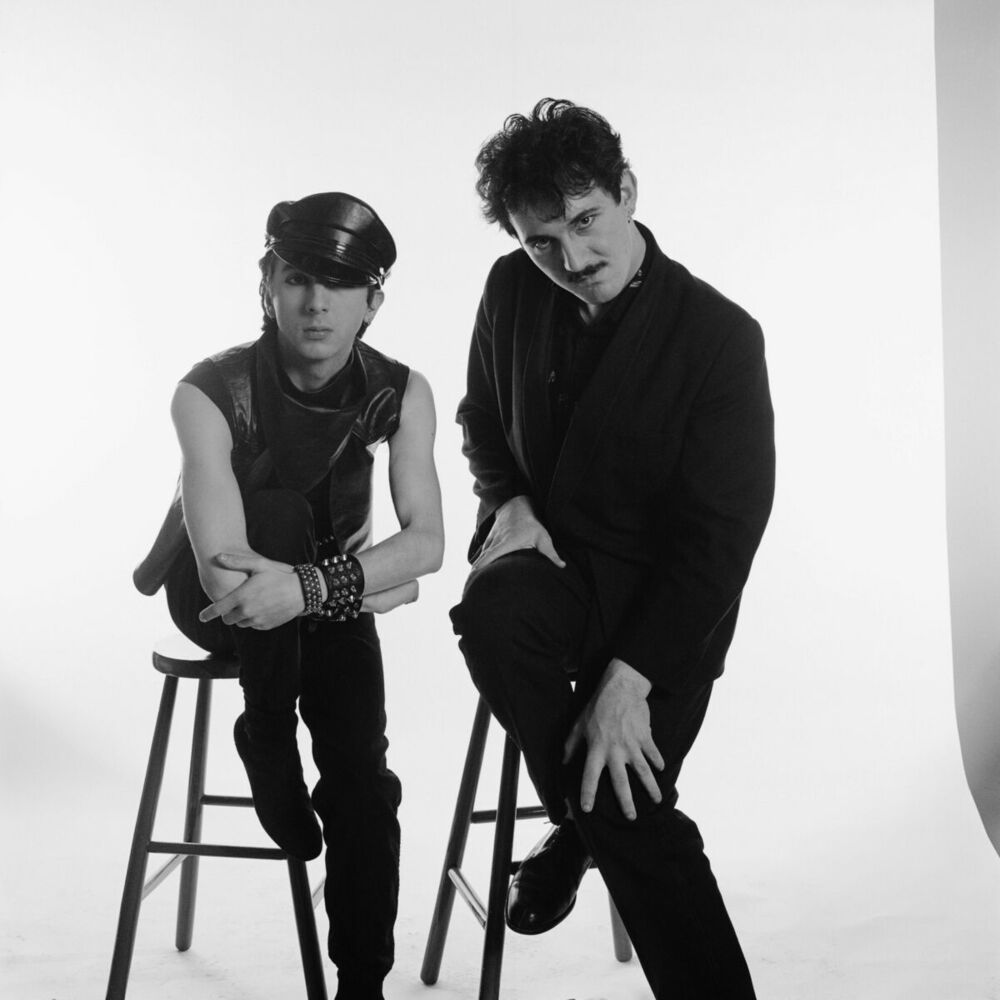
Soft Cell is an English synth-pop duo from Leeds, formed in 1978 by vocalist Marc Almond and instrumentalist David Ball. The pair achieved global fame with their 1981 cover of "Tainted Love," a track that became a worldwide phenomenon and remains one of the definitive hits of the synth-pop era.
Early career
Marc Almond and David Ball met while studying at Leeds Polytechnic in 1978. Their early sound was a raw, experimental fusion of electronic music and theatrical performance, leading to a deal with the independent label Some Bizzare.
Their first release was the 1980 single "Memorabilia" on the Some Bizzare Album compilation, which caught the attention of Phonogram Records. This led to a major label contract, setting the stage for their debut album.
Breakthrough
Soft Cell's breakthrough arrived in 1981 with the release of their debut album Non-Stop Erotic Cabaret. The album's second single, a stark electronic reworking of Gloria Jones's Northern Soul classic "Tainted Love," became a surprise global smash.
The song reached number one in the UK and spent a record-breaking 43 weeks on the US Billboard Hot 100, peaking at number eight. It earned a gold certification in the United States and propelled the album to platinum status in the UK.
Key tracks
Tainted Love — This global hit single defined the synth-pop sound of the early 1980s and remains their signature song.
Say Hello, Wave Goodbye — A dramatic ballad showcasing Marc Almond's poignant lyrical storytelling and the duo's emotional depth.
Bedsitter — A top five UK hit that painted a vivid, melancholic picture of urban nightlife and loneliness.
Memorabilia — Their first single, notable for its innovative, rhythm-driven electronic sound that influenced the early electro scene.
Following this immense success, the duo released the album The Art of Falling Apart in 1983, which included the top five UK hit "Torch." Internal pressures led to a split in 1984, after the release of their third studio album This Last Night in Sodom. Almond and Ball pursued separate solo and production projects throughout the late 1980s and 1990s.
Soft Cell reunited periodically for live performances and new music, most notably for the 2002 album Cruelty Without Beauty. Their final studio album, *Happiness Not Included, was released in 2022, marking a full-circle return for the influential pair.
Fans of Soft Cell's dark, theatrical synth-pop often appreciate the work of Marc Almond. His solo career further explores torch song drama and electronic experimentation. The electronic minimalism and pop sensibility of Depeche Mode share clear lineage with Soft Cell's early work. The provocative style and synth-driven sound of The Human League also emerged from the same UK post-punk and electronic landscape. For the darker, more industrial side of their influence, listeners explore Cabaret Voltaire and their pioneering use of electronics and tape loops.
Soft Cell's music maintains a steady rotation on dedicated 80s retro stations, synth-pop specialty shows, and alternative rock radio stations that celebrate electronic music history. Their iconic singles are staples on playlists focusing on new wave and classic alternative genres across numerous online radio streams.
The music of Soft Cell, the seminal English synth-pop duo, can be heard regularly on radio stations featured on our website. Listeners can discover their groundbreaking hits and deep cuts through the variety of radio stations available on onairium.com.