

Sonny Boy Williamson: The Enigmatic Voice of Delta Blues
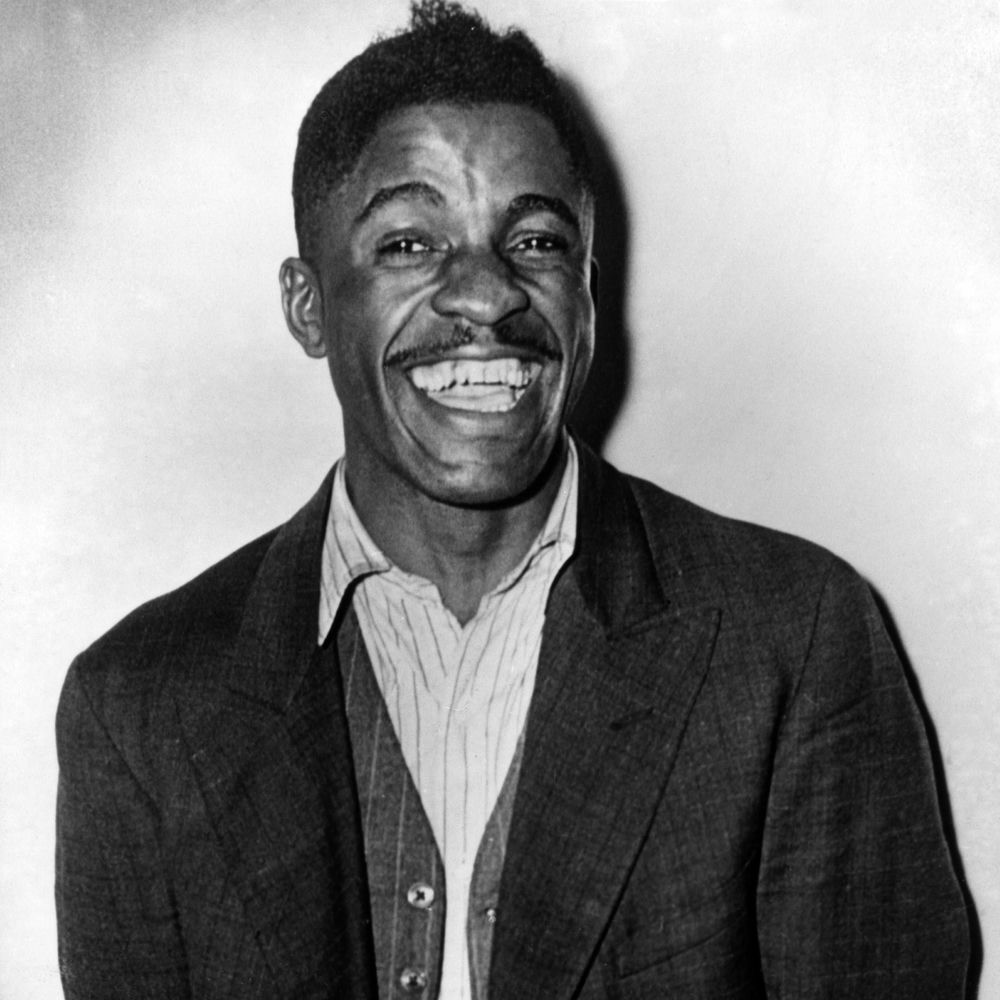
Sonny Boy Williamson, born Aleck "Rice" Miller, was a foundational and enigmatic figure in American blues music. Hailing from Mississippi, his innovative harmonica style and distinctive vocal delivery influenced generations of rock and blues musicians on both sides of the Atlantic.
Early career
Born around 1899, the artist who performed as Sonny Boy Williamson had a mysterious early life, often shrouded in his own tall tales. He began performing in the 1930s, traveling and playing throughout the American South, and later hosted the popular "King Biscuit Time" radio show on KFFA in Helena, Arkansas, which cemented his regional fame.
Breakthrough
Williamson's major breakthrough came in the 1950s when he began recording for Trumpet Records in Jackson, Mississippi. Tracks like "Eyesight to the Blind" showcased his singular talent, blending Delta blues roots with a modern, sometimes haunting, sensibility that captured the attention of the burgeoning Chicago blues scene.
Key tracks
Eyesight to the Blind - This Trumpet Records single became a blues standard and was famously covered by The Who on their rock opera Tommy.
Don't Start Me Talkin' - His first and biggest hit for Chess Records in 1955, this song features his trademark boastful, storytelling lyrics and driving harmonica.
Help Me - A later Chess recording that became one of his most iconic numbers, defined by its slow-burn groove and desperate plea.
Nine Below Zero - A powerful instrumental showcase for his harmonica prowess, later inspiring the name of a British blues band.
Bring It On Home - This song demonstrated his ability to craft a compelling narrative and was famously adapted by Led Zeppelin.
In the early 1960s, Sonny Boy Williamson found a new and enthusiastic audience in Europe during the American Folk Blues Festival tours. He recorded with British rock admirers like The Yardbirds and The Animals, directly planting seeds for the British blues explosion. His final recordings for Chess in 1964, including the album Bummer Road
Artists walking a similar path include Howlin' Wolf, who shared his Delta roots and powerful, theatrical presence. Little Walter was a fellow harmonica innovator who defined the Chicago blues sound. Muddy Waters also made the journey from Mississippi to Chicago, becoming a pillar of electric blues. For his influence on British rock, The Yardbirds directly learned from playing with him on stage.
The music of Sonny Boy Williamson remains a staple on dedicated blues radio stations and classic rock FM stations that explore the genre's roots. His recordings are frequently featured in programming blocks celebrating harmonica greats and the origins of electric blues.
Listeners can explore the enduring legacy of Sonny Boy Williamson by tuning into blues and roots music stations featured on onairium.com, where his influential work continues to be celebrated.