Sonny Rollins
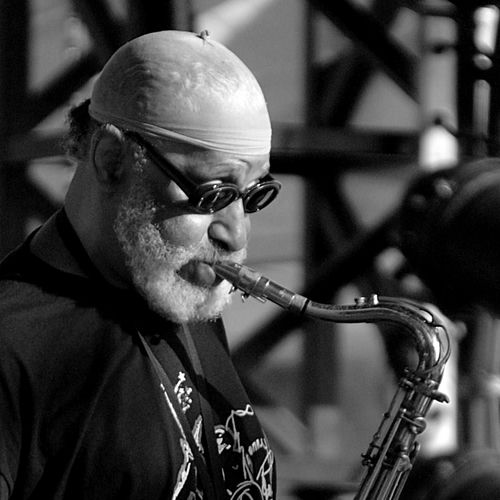
Sonny Rollins: The Colossus of Jazz Saxophone
Sonny Rollins is an American jazz tenor saxophonist and composer, widely regarded as one of the most influential improvisers in the history of the genre. From his early bebop recordings to his legendary solo explorations, his career is a defining pillar of modern jazz.
Early career
Theodore Walter "Sonny" Rollins was born in New York City in 1930. He began his professional journey in the mid-1940s, recording with bebop pioneers like pianist Bud Powell and trumpeter Fats Navarro for labels including Blue Note and Prestige.
His early albums as a leader, such as 1951's "Sonny Rollins Quartet" and 1954's "Moving Out," established his formidable, harmonically inventive style. These works laid the groundwork for his imminent rise.
Breakthrough
Sonny Rollins's true breakthrough arrived in 1956 with the release of the landmark album "Saxophone Colossus" on Prestige Records. This record, featuring his classic composition "St. Thomas," became an instant critical and commercial success, solidifying his reputation.
The album's masterful blend of calypso, hard bop, and balladry resonated deeply with the jazz audience. It remains one of the best-selling and most acclaimed jazz albums of all time, a perennial entry in jazz history books.
Key tracks
St. Thomas — This calypso-infused piece from "Saxophone Colossus" became his most recognizable tune and a jazz standard.
Blue 7 — Also from "Saxophone Colossus," this track is celebrated for its thematic improvisation and is frequently analyzed by music scholars.
Oleo — A blistering bebop line based on rhythm changes, it showcases his incredible fluency and has been covered by countless musicians.
The Bridge — The title track from his 1962 comeback album on RCA Victor signaled his return from a famous two-year practice hiatus spent on the Williamsburg Bridge.
Don't Stop the Carnival — This vibrant track from 1978's "Don't Stop the Carnival" on Milestone highlights his enduring love for Caribbean rhythms.
Following his initial fame, Rollins entered a period of intense self-study, famously practicing on the Williamsburg Bridge. His return in 1962 with the album "The Bridge" on RCA Victor was a major event. He continued a prolific output through the 1960s and 1970s, often exploring more contemporary rhythms and recording for labels like Impulse! and Milestone.
Later in his career, Rollins remained a powerful live performer, winning a Grammy in 2001 for "This Is What I Do" and receiving a Lifetime Achievement Award in 2004. His final studio album, "Sonny, Please," was released in 2006 on his own Doxy Records label. While specific chart positions for his classic albums are not commonly cited in modern terms, their cultural impact and sales within the jazz world are immense, with many considered gold-standard recordings.
For listeners who appreciate the robust sound and inventive genius of Sonny Rollins, the work of John Coltrane offers a similarly profound exploration of the saxophone's possibilities. The hard-swinging style of Joe Henderson also carries the torch of Rollins's rhythmic command. The compositional strength of Wayne Shorter presents another compelling branch of the modern jazz tree. Furthermore, the lyrical intensity of Stan Getz provides a contrasting but equally masterful approach to the tenor saxophone.
Sonny Rollins's vast catalog is a staple on jazz radio programming worldwide. His tracks are regularly featured on dedicated jazz FM stations, online jazz streams, and independent music radio stations that celebrate the genre's rich history and evolving present.
You can experience the enduring power of this jazz colossus by tuning into the jazz radio stations featured on our website. Discover the timeless music of Sonny Rollins through the curated playlists and dedicated shows available on onairium.com.