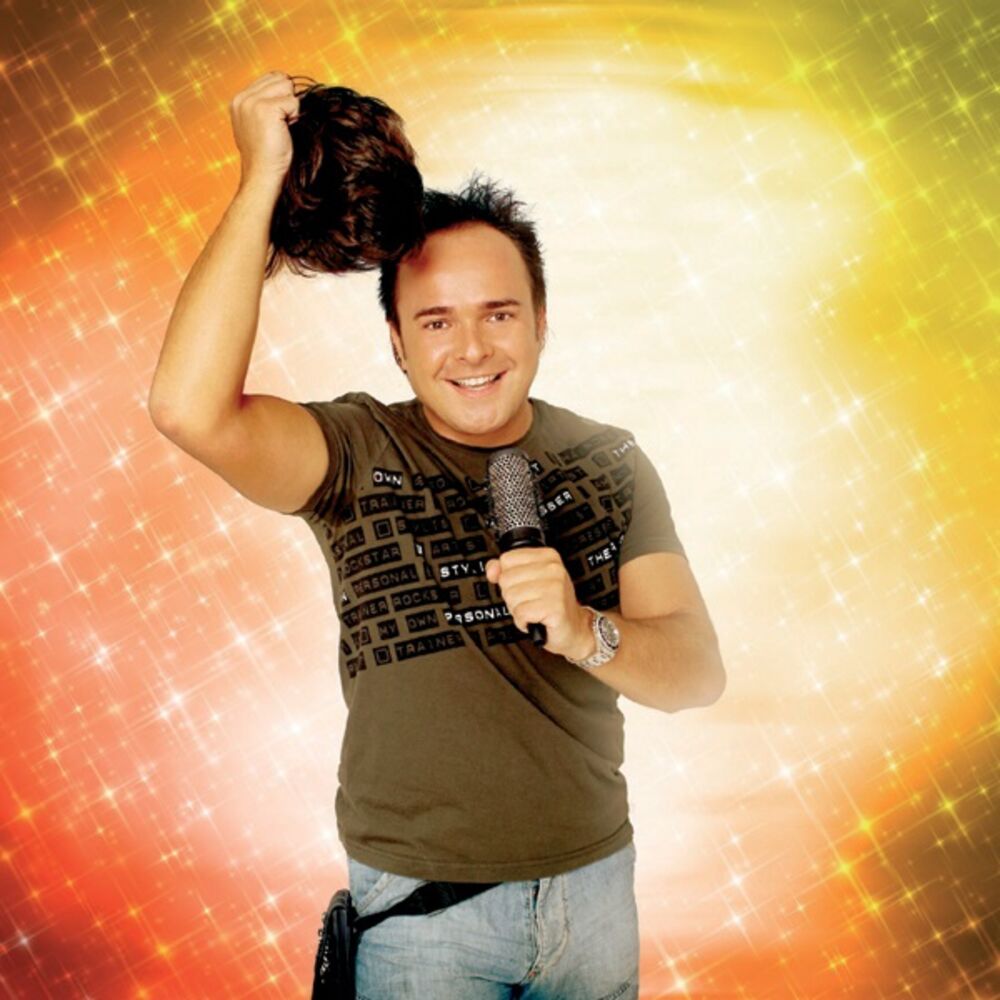

Stefan Raab
 Germany
Listen Stefan Raab on radio stations:


Stefan Raab: The Multifaceted German Pop Entertainer
Stefan Raab is a German television host, comedian, and musician known for his satirical pop songs and major role in shaping German entertainment. From Cologne, his most notable musical achievement was winning the Eurovision Song Contest for Germany as a songwriter and producer in 2010.
Early career
Born in 1966 in Cologne, Stefan Raab began his career in the media industry as a radio host. His entry into music was initially through comedic and satirical songs, which he performed on his own television shows, blending entertainment with pop music.
Breakthrough
Raab's musical breakthrough came with the 1998 novelty hit Hier kommt die Maus, a tribute to a German children's TV character. This europop track reached number one in Germany, establishing his pattern of creating commercially successful, humor-driven music tied to television events.
Key tracks
Hier kommt die Maus - This 1998 single was his first major chart success, topping the German charts for weeks.
Wadde hadde dudde da? - Raab's own 2000 Eurovision entry finished fifth, a strong showing that highlighted his crossover appeal.
Space Taxi (Wir nehmen Euch mit) - A 2004 football anthem created for the German national team, showcasing his knack for event-driven pop.
Maschendrahtzaun - This 1999 hit further cemented his status as a master of catchy, satirical German-language pop.
His later career was defined by his role as a producer and songwriter for others, most notably steering Lena Meyer-Landrut to victory at the 2010 Eurovision Song Contest with Satellite. Raab's television shows on ProSieben became the primary platform for his musical endeavors, often launching songs that directly commented on current events or featured celebrity guests. He retired from television and music in 2015 but remains a defining figure in early 2000s German pop culture.
Artists with a similar blend of German-language pop and entertainment include Thomas Anders, who also found success in the German pop landscape. Die Fantastischen Vier share a focus on German lyrics and mainstream appeal, though in a different genre. The comedic musical approach can be compared to Die Atzen, who also created party-oriented pop music.