
Steve Morse: The Virtuoso of Progressive Rock Guitar
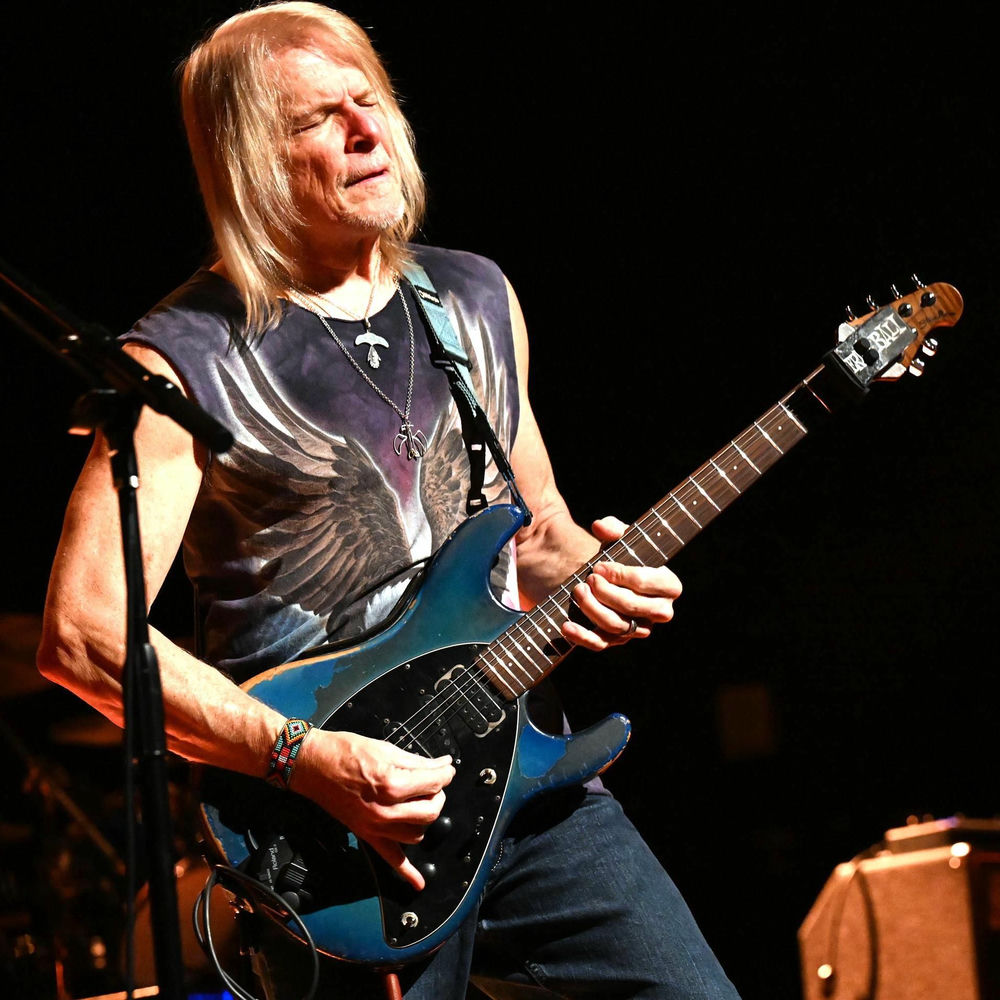
Steve Morse is an American guitarist and composer celebrated for his technical mastery and genre-spanning career. Hailing from Hamilton, Ohio, his primary achievement is a prolific and influential body of work across multiple successful bands and a respected solo career, cementing his status as a guitarist's guitarist.
Early career
Born in 1954, Morse first gained serious attention while studying at the University of Miami. His band, the Dixie Dregs, formed in the early 1970s, fused rock, jazz, country, and classical into a complex instrumental style. Their 1977 debut album, Free Fall, on Capricorn Records, immediately established Morse as a formidable and inventive new voice on the guitar.
Breakthrough
While the Dixie Dregs earned a cult following, Morse's wider commercial breakthrough came with the formation of the Steve Morse Band in the 1980s. Albums like 1989's High Tension Wires on MCA/Mechanix Records showcased his compositional depth. His true mainstream rock arrival, however, was his 1994 induction into the legendary band Deep Purple, replacing founding guitarist Ritchie Blackmore.
Key tracks
Cruise Missile — This high-velocity instrumental from the Dixie Dregs' Night of the Living Dregs became a live staple, perfectly displaying Morse's precision and hybrid picking technique.
High Tension Wires — The title track from his pivotal solo album is a melodic tour de force, demonstrating his ability to craft memorable themes without vocals.
Sometimes I Feel Like Screaming — Morse's first major writing contribution to Deep Purple on 1996's Purpendicular features his atmospheric playing and a iconic, emotive solo.
Roadhouse Blues — His fiery interpretation of The Doors classic with the supergroup Flying Colors highlights his adaptability and pure rock power.
Morse maintained a relentless pace, balancing Deep Purple's global tours with his solo projects and collaborations like the eclectic supergroup Flying Colors. His 1991 album, Southern Steel, further explored his blend of rock and country influences. Throughout the 2000s and 2010s, he released a steady stream of work with all his projects, including Deep Purple's 2013 album Now What?! which charted in the Top 20 in multiple countries.
Artists with a similar command of instrumental rock and technical fusion include Joe Satriani who similarly leads instrumental rock with melodic focus. John Petrucci shares Morse's progressive complexity and foundational role in a major band. The eclectic instrumental approach can be heard in Eric Johnson and his detailed, tone-centric guitar work. For the blend of hard rock and virtuosity, listeners enjoy Richie Blackmore, the Deep Purple legend Morse succeeded.
Steve Morse's diverse catalog is a fixture on many radio formats. His work with Deep Purple is essential for classic rock FM stations, while his progressive and instrumental material finds a home on dedicated progressive rock and guitar-focused online radio streams. Independent music radio stations often feature his solo albums for their innovation.
The music of Steve Morse, from progressive rock foundations to hard rock anthems, can be heard across the radio stations featured on our website. Listeners can discover his vast contributions to guitar music by tuning into the rock and specialty stations available on onairium.com.