Television
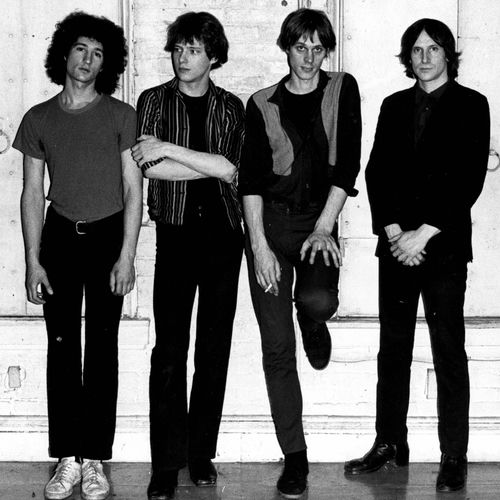
Television: Pioneers of American Punk and Art Rock
Television is an American rock band formed in New York City, widely celebrated as foundational architects of the 1970s punk and new wave movement. Their 1977 debut album, Marquee Moon, is critically hailed as a masterpiece that fused razor-sharp guitar interplay with poetic lyricism, achieving cult status and enduring influence despite modest initial sales.
Early career
Television coalesced in 1973 around the core duo of guitarists and vocalists Tom Verlaine and Richard Lloyd, with bassist Richard Hell and drummer Billy Ficca. The band quickly became a house act at the now-legendary CBGB club, sharing the stage with fellow New York pioneers like the Ramones, Patti Smith, and Talking Heads. Their raw, early sound helped define the nascent punk scene, though internal tensions led to Richard Hell's departure in 1975, with Fred Smith taking over bass duties and solidifying the classic lineup.
Breakthrough
The band's breakthrough arrived in 1977 with the release of Marquee Moon on the Elektra Records label. The album was a radical departure from the three-chord aggression of punk, introducing complex, dueling guitar lines and extended, jazz-inflected song structures. While it peaked at a modest No. 128 on the Billboard 200, its critical reception was rapturous, and it has since been certified gold in the United Kingdom, symbolizing its long-term impact.
Key tracks
Marquee Moon — The nearly 11-minute title track is an epic showcase of the band's intricate guitar telepathy and remains a landmark in art rock.
See No Evil — The album's explosive opener perfectly encapsulates the band's energetic, literate take on rock and roll.
Elevation — This track highlights Tom Verlaine's distinctive vocal delivery and the band's tight, rhythmic propulsion.
Little Johnny Jewel — Their groundbreaking 1975 single, released on the tiny Ork Records, was a crucial early document of their unique sound.
Following Marquee Moon, Television released Adventure in 1978 to positive reviews before disbanding in 1979. The classic lineup reunited in 1992 to record a self-titled third album, which was praised for recapturing their singular chemistry. Sporadic performances and festival appearances continued into the 2000s, cementing their legacy as influential but elusive icons. Their music's sophistication and intensity have inspired countless bands across alternative rock, post-punk, and indie genres. Fans of Television's innovative guitar work and cerebral approach to rock should also explore Talking Heads, who shared the CBGB stage and evolved from punk into avant-garde pop. Patti Smith, another peer from the New York scene, similarly blended poetic lyrics with raw rock energy. The influence of Television's interlocking guitars can be heard in the work of R.E.M. during their early college rock years. For a later generation inspired by their art-punk ethos, listen to Sonic Youth, who pushed guitar experimentation even further.
The pioneering sound of Television maintains a steady presence on radio, featured across classic rock FM stations, dedicated alternative rock radio stations, and online rock radio streams focusing on music history. Their albums, particularly Marquee Moon, are staples on independent music radio stations that celebrate influential and groundbreaking artists.
The influential music of Television can be heard on radio stations featured on our website. Listeners can discover or listen to this seminal American band through a variety of rock and alternative radio stations available on onairium.com.