Ten Years After
 United Kingdom
Listen Ten Years After on radio stations:





Ten Years After: British Blues Rock and Psychedelic Pioneers
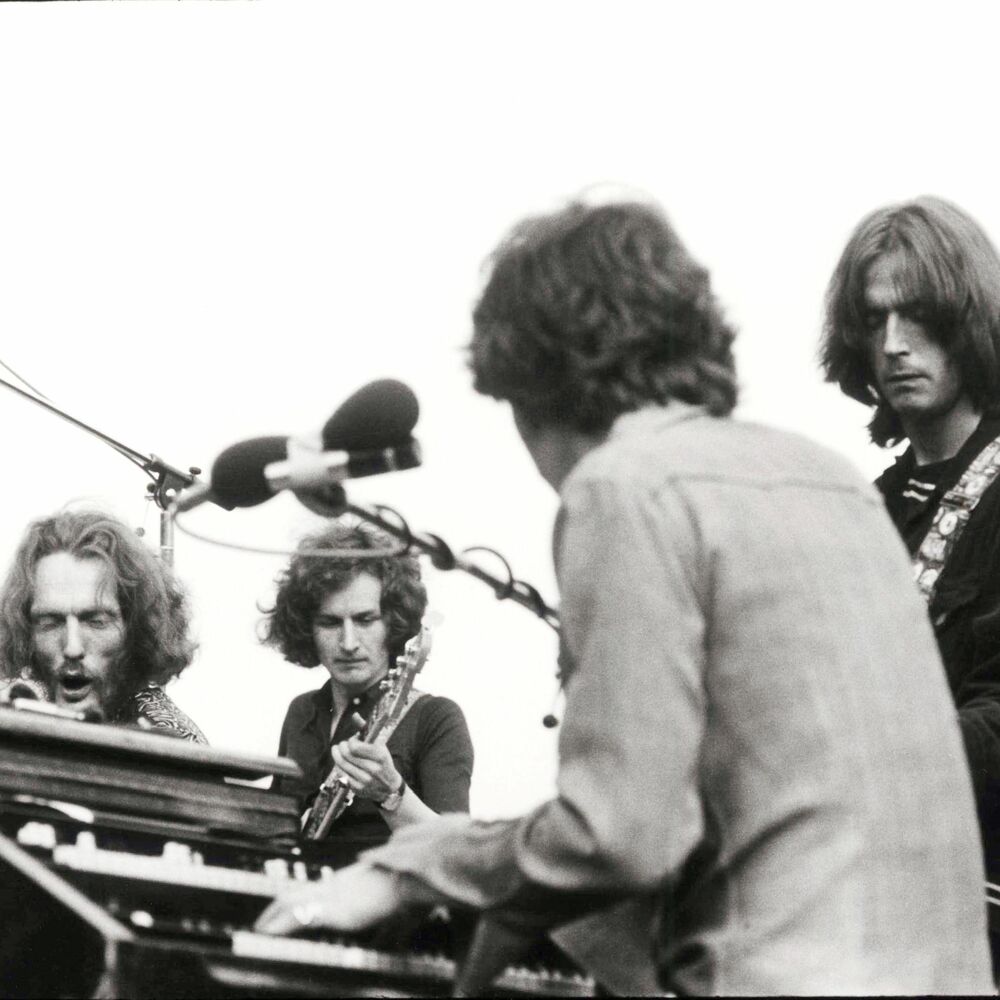
Ten Years After is a British rock band that rose to fame in the late 1960s and early 1970s, becoming a defining act of the blues rock and psychedelic era. Their legendary performance at the 1969 Woodstock Festival, particularly the electrifying rendition of "I'm Going Home," catapulted them to international stardom and solidified their place in rock history.
Early career
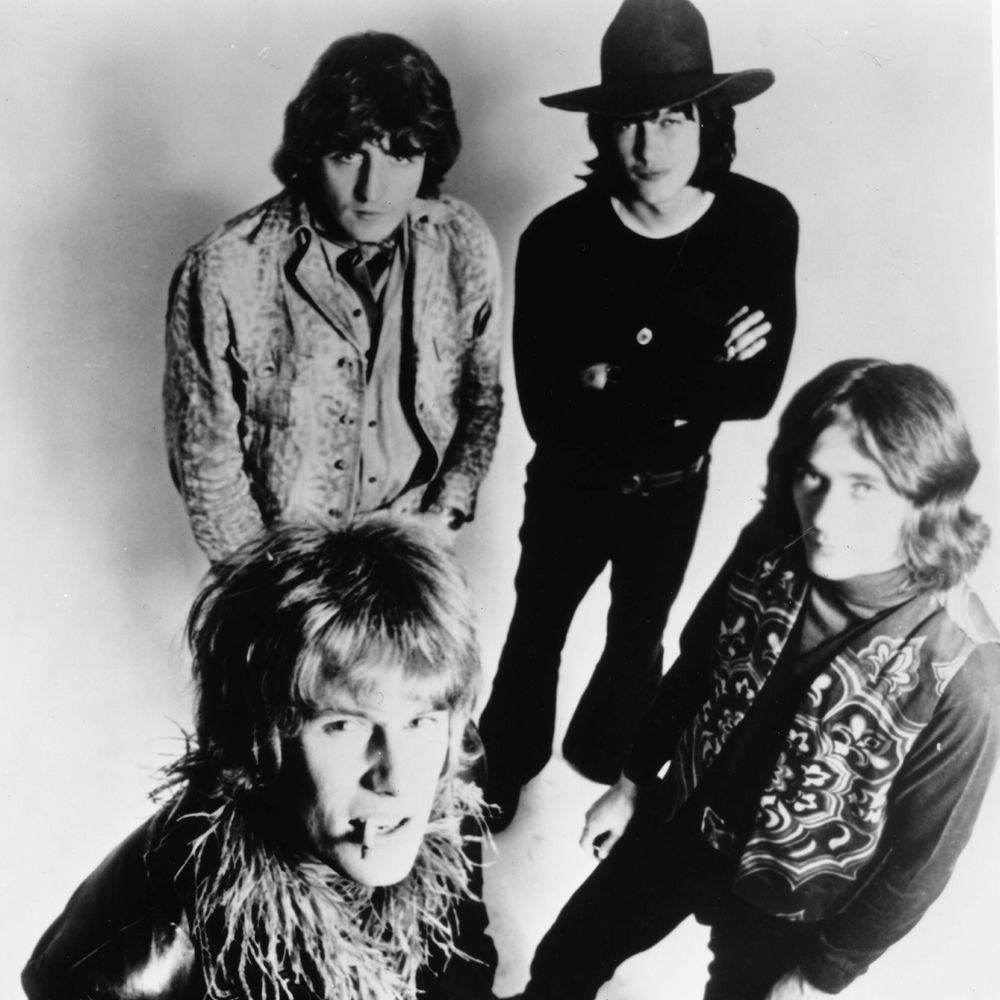
Formed in Nottingham, England in 1966, the band originally performed under the name The Jaybirds before evolving into Ten Years After. The core lineup featured the virtuosic, high-speed guitar work and vocals of Alvin Lee, backed by Chick Churchill on keyboards, Leo Lyons on bass, and Ric Lee on drums. They quickly built a reputation on the UK club and festival circuit for their explosive live shows that blended blues, rock, and jazz influences.
Breakthrough
The band's true breakthrough came on a global scale with their appearance at the Woodstock Festival in August 1969. Their performance was captured in the subsequent documentary film and soundtrack album, introducing their powerful sound to millions. This exposure fueled the success of their 1970 album Watt and the 1971 hit single "I'd Love to Change the World," which became their only Top 40 hit in the US.
Key tracks
I'm Going Home - This blistering blues-rock number, featured in the Woodstock film, became their signature track, showcasing Alvin Lee's lightning-fast guitar licks.
I'd Love to Change the World - Their most commercially successful song, this 1971 single blended social commentary with a memorable, melodic hook.
Hear Me Calling - A prime example of their energetic blues-rock style, this track was a staple of their live sets and a popular radio play.
Love Like a Man - A lengthy, improvisational track that highlighted their jam band credentials and progressive rock tendencies.
Good Morning Little Schoolgirl - Their gritty take on this blues standard illustrated their deep roots in the American blues tradition.
Throughout the early 1970s, Ten Years After released a string of successful albums including SSSSHH (1969), Cricklewood Green (1970), and A Space in Time (1971). The latter album, which contained "I'd Love to Change the World," became their highest-charting record in the United States. Despite their success, Alvin Lee's desire to explore different musical directions led to the band's initial dissolution in 1974.
The band experienced several reunions in later decades, most notably following a 1983 reformation that lasted for several years. After Alvin Lee's passing in 2013, the band continued to perform with new guitarist and vocalist Marcus Bonfanti, honoring their legacy on stage. Their music, particularly the iconic Woodstock performance, remains a touchstone for blues rock and classic rock enthusiasts.
Fans of Ten Years After's high-energy British blues rock may also appreciate the work of Cream, another power trio known for virtuosic improvisation. The Who shared a similar explosive live energy and mod roots. The guitar-driven rock of Jethro Tull intersects with their progressive tendencies, while Fleetwood Mac's early Peter Green-led era delves deep into the same British blues wellspring.
The music of Ten Years After is a staple on classic rock FM stations and dedicated blues rock radio streams, where their legendary guitar solos and anthemic songs continue to resonate. Their tracks are regularly featured in programming that celebrates the iconic sounds of the late 1960s and early 1970s.
Listeners can explore the powerful catalog of Ten Years After through the classic rock and blues rock radio stations available on onairium.com, experiencing the music that defined a generation of guitar heroes.