Tex Ritter
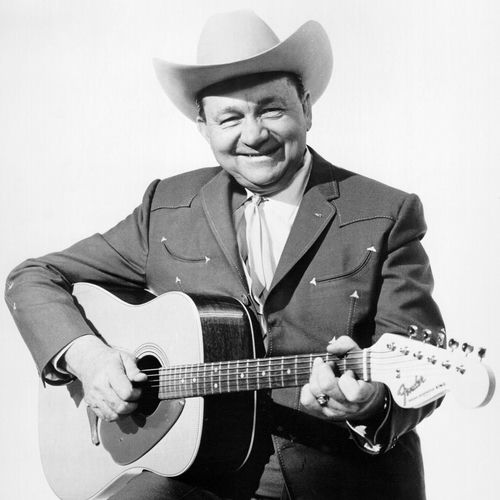
Tex Ritter: The Voice of American Cowboy Country
Tex Ritter was a pioneering American country music singer and actor who helped define the cowboy music genre for a generation. Hailing from Murvaul, Texas, his career peaked with the 1952 single "High Noon (Do Not Forsake Me)", which won the Academy Award for Best Original Song and became a landmark crossover hit.
Early career
Born Woodward Maurice Ritter in 1905, he began performing while studying law at the University of Texas. Ritter moved to New York in the late 1920s, landing roles in Broadway musicals like "The Green Pastures" which cemented his stage persona as a singing cowboy.
His recording career began in earnest with the American Record Corporation in 1933. Ritter soon signed with Decca Records, releasing a string of cowboy ballads and folk songs that built his reputation on radio and in early Western films.
Breakthrough
Ritter's true national breakthrough arrived with his move to Capitol Records in the 1940s. His rich, distinctive baritone voice became a staple of country radio, and he scored his first major chart hit with 1945's "You Two-Timed Me One Time Too Often".
This era solidified his status, leading to his own radio show and consistent album sales. His 1948 album "Songs from the Western Screen" capitalized on his film fame and performed strongly in the growing country album market.
Key tracks
You Two-Timed Me One Time Too Often — This 1945 release became Ritter's first number one hit on the Billboard country charts, establishing his commercial peak.
Rye Whiskey — A traditional folk song that Ritter popularized, it became a signature tune and a staple of his live performances for decades.
High Noon (Do Not Forsake Me) — Ritter's performance of this song for the 1952 film "High Noon" won the Oscar, introducing his music to a massive mainstream audience.
The Wayward Wind — His 1956 cover of this classic became a top five country hit, demonstrating his enduring chart relevance into the rock and roll era.
I Dreamed of a Hill-Billy Heaven — This later-career narrative song was a major hit in 1961, proving his ability to adapt to the Nashville sound.
Throughout the 1950s and 1960s, Tex Ritter remained a constant force in country music. He continued to record for Capitol, releasing albums like "Blood on the Saddle" and "Hillbilly Heaven", and was one of the founding members of the Grand Ole Opry in Nashville.
His influence extended beyond recording; Ritter was a key figure in establishing the Country Music Association and was elected to the Country Music Hall of Fame in 1964. He maintained a busy touring schedule and radio presence until his death in 1974.
Fans of the classic cowboy country sound of Tex Ritter will also appreciate the music of Gene Autry. Autry was another singing cowboy film star who dominated the charts in the same era. The smooth vocal style of Jim Reeves also shares a connection to Ritter's crossover appeal. For the storytelling tradition, listen to Marty Robbins, who carried the cowboy ballad into later decades. The foundational work of Roy Acuff similarly helped build the country music industry that Ritter helped shape.
Ritter's catalog remains in heavy rotation on dedicated classic country and Americana radio stations. His songs are featured on programs celebrating the golden age of country and the singing cowboy tradition, ensuring new generations discover his music.
The timeless cowboy anthems and country ballads of Tex Ritter can be heard on radio stations featured on our website. Listeners can discover his influential sound by tuning into the classic country stations available on onairium.com.