The Alan Parsons Project (1985)
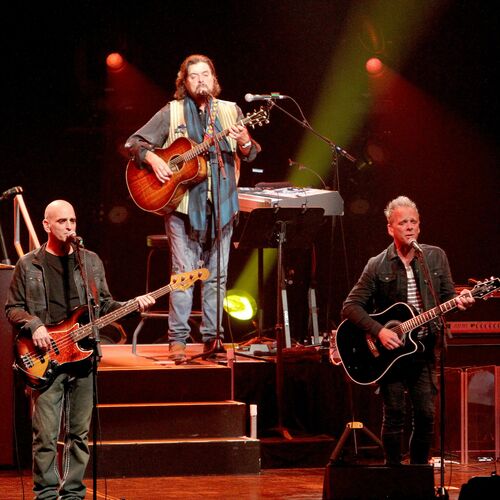
The Alan Parsons Project (1985): Masters of Progressive Art Rock
The Alan Parsons Project was a British progressive rock studio ensemble active from 1975 to 1990, masterminded by audio engineer Alan Parsons and songwriter Eric Woolfson. Hailing from London, England, the group achieved major commercial success, particularly in North America, with their 1982 album Eye in the Sky reaching the Top 10 on the Billboard 200 and being certified platinum.
Early career
The project was formed in 1975, capitalizing on Alan Parsons' esteemed reputation as the audio engineer for landmark albums like The Beatles' Abbey Road and Pink Floyd's The Dark Side of the Moon. Eric Woolfson, a pianist and composer, partnered with Parsons to create a unique studio-based group that utilized a rotating cast of vocalists and session musicians to realize their thematic, concept-driven albums. Their debut, Tales of Mystery and Imagination (1976), was an ambitious adaptation of Edgar Allan Poe's works released on 20th Century Fox Records.
Breakthrough
The group's commercial breakthrough arrived with their fifth studio album, The Turn of a Friendly Card, released in 1980 on Arista Records. The album's lead single, Games People Play, became a major hit on Billboard's Mainstream Rock chart, while the suite Time also gained significant airplay. This success was solidified two years later with the even more popular Eye in the Sky album in 1982, which spawned a top-ten pop single of the same name.
Key tracks
Eye in the Sky — This signature song became the group's highest-charting pop single and is recognized for its hypnotic rhythm and distinctive vocoder effect.
Games People Play — A driving rock track that marked their first major radio hit in the United States and defined their early 80s sound.
Sirius — An instrumental overture best known as the dramatic entrance music for numerous sports teams, most notably the Chicago Bulls.
Don't Answer Me — A 1984 single that showcased their move towards a more polished, radio-friendly pop sound with a notable Phil Spector-inspired production.
Time — A fan-favorite epic from The Turn of a Friendly Card that encapsulates the group's philosophical lyrics and lush progressive rock arrangements.
Following the peak of Eye in the Sky, The Alan Parsons Project released two more albums under that banner: Ammonia Avenue (1984) and Vulture Culture (1985). The 1985 album Stereotomy continued their tradition of thematic records, though by this period their chart momentum had begun to wane. The final official album, Gaudi (1987), was named for the architect Antoni Gaudí and closed the studio project's chapter, after which Parsons and Woolfson pursued separate careers.
Fans of The Alan Parsons Project's sophisticated art rock and conceptual albums should also explore Pink Floyd. Both acts share a commitment to high-fidelity production and expansive thematic records. The intricate songcraft and melodic sense can be heard in the work of Supertramp, another band that expertly blended progressive elements with pop accessibility. For the studio-centric approach and philosophical lyrics, check out Mike Oldfield. The lush, keyboard-driven soundscapes also find a parallel in Yes, especially in their more commercially oriented periods.
The music of The Alan Parsons Project maintains a strong presence on classic rock FM stations and dedicated album-oriented rock channels. Their meticulously produced tracks, particularly the hits from the early 1980s, are staples on playlists that celebrate the era of sophisticated studio rock, ensuring their sonic legacy continues to reach new listeners through the airwaves.
You can hear the timeless art rock of The Alan Parsons Project featured across multiple radio stations on our platform. Explore the diverse online rock radio streams available at on