The Boomtown Rats
 Ireland
Listen The Boomtown Rats on radio stations:

The Boomtown Rats: Ireland's Pioneering New Wave Rockers
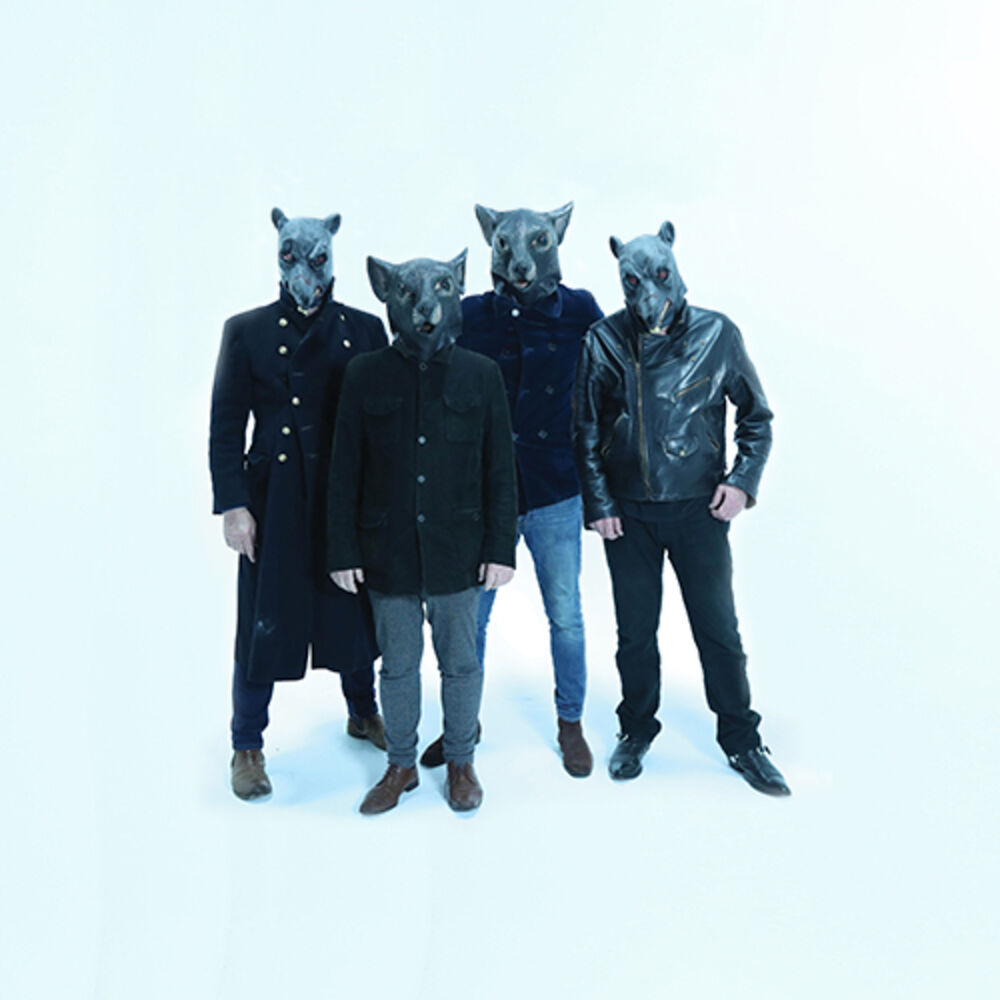
The Boomtown Rats are an Irish rock band who emerged from the Dublin punk scene in the mid-1970s to become one of the country's first major international acts. Fronted by the charismatic and outspoken Bob Geldof, the band achieved global fame with their 1979 UK Number One single I Don't Like Mondays, a track that remains a defining song of the era.
Early career
Formed in Dublin in 1975, The Boomtown Rats were part of Ireland's initial wave of punk and new wave energy. The original lineup featured Bob Geldof on vocals, Gerry Cott and Garry Roberts on guitars, Pete Briquette on bass, Johnnie Fingers on keyboards, and Simon Crowe on drums. They quickly built a fierce live reputation, leading to a deal with Ensign Records in 1976 and the release of their self-titled debut album The Boomtown Rats in 1977.
Breakthrough
The band's breakthrough came with their second album, 1978's A Tonic for the Troops. This record captured their sharp, melodic take on new wave and punk rock, spawning several hit singles in the UK including Rat Trap, which famously dethroned "Summer Nights" from *Grease* to become the first Irish-penned rock song to hit Number One on the UK Singles Chart. Their momentum peaked in 1979 with the controversial and massive hit I Don't Like Mondays, inspired by a school shooting in San Diego, which gave them a second UK Number One and international recognition.
Key tracks
Looking After No. 1 - Their debut single from 1977 that announced their snarling, energetic arrival on the UK punk and new wave scene.
Rat Trap - This ambitious, Bruce Springsteen-influenced story-song became their first UK Number One single in late 1978.
I Don't Like Mondays - The band's signature track, a global hit that combined a haunting piano melody with a chilling narrative based on true events.
Diamond Smiles - A sophisticated track from their third album The Fine Art of Surfacing that showcased their evolving musical ambition.
Banana Republic - A later hit from 1980 that critiqued the political and religious climate in their native Ireland, becoming a major seller across Europe.
Throughout the early 1980s, The Boomtown Rats continued to release albums including Mondo Bongo (1981) and V Deep (1982), experimenting with funk and soul influences. However, as the decade progressed, internal tensions and changing musical tastes led to their dissolution in 1986. Frontman Bob Geldof's immense fame from organizing Live Aid in 1985 somewhat overshadowed the band's own legacy. After a long hiatus, a reformed lineup of The Boomtown Rats began touring again in 2013 and released new material, including the 2020 album Citizens of Boomtown, proving their restless energy endured.
Fans of The Boomtown Rats' blend of punk attitude and new wave melody often appreciate the work of similar artists. The Irish punk spirit is echoed in the music of The Pogues, who also combined raw energy with sharp storytelling. For the catchy, keyboard-driven side of new wave, listeners enjoy The Undertones, another band that emerged from the 1970s punk scene with pop sensibilities. The witty social commentary and rock style connects to Elvis Costello, a contemporary who shared a similar lyrical bite. The anthemic qualities can also be found in the work of The Jam, who similarly translated punk energy into chart success.
The Boomtown Rats' catalog of provocative new wave anthems maintains a strong presence on classic alternative and rock radio formats. Their essential hits are staples on stations dedicated to the post-punk and new wave era, ensuring their confrontational pop