

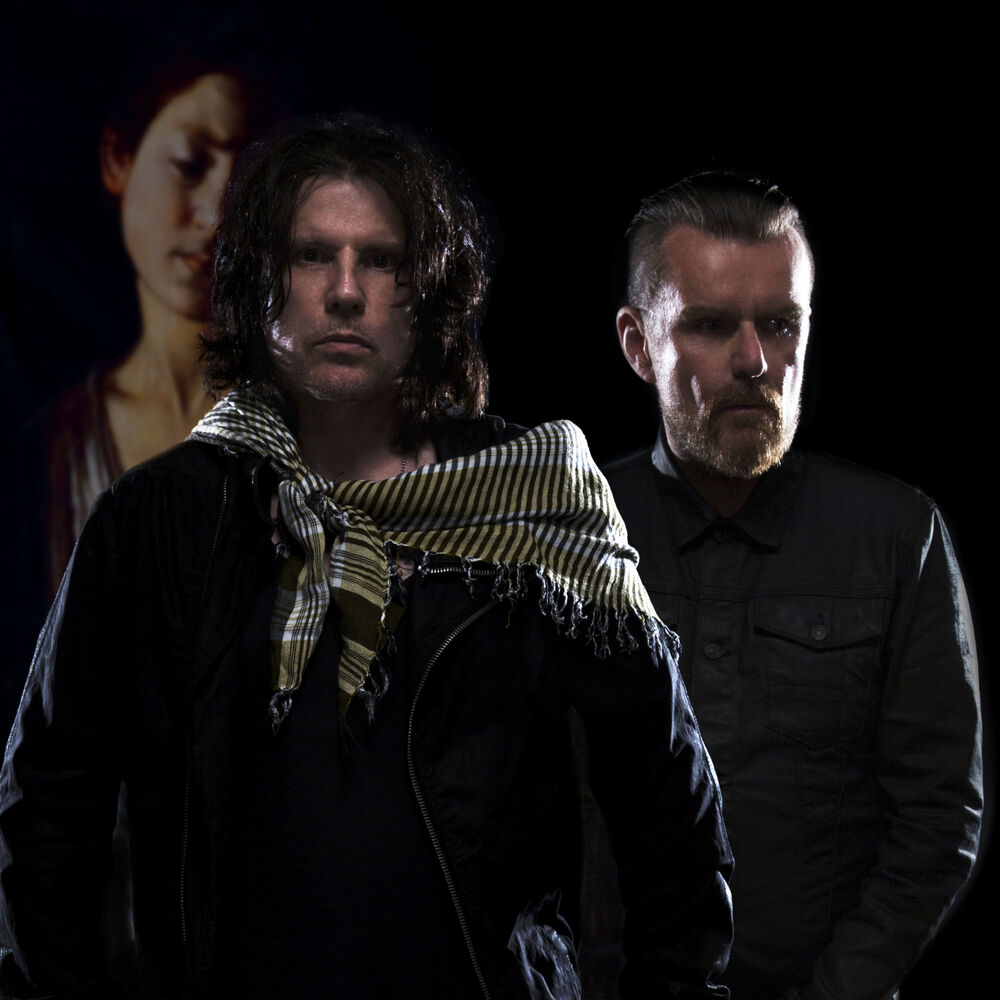
The Cult
Listen The Cult on radio stations:


The Cult: British Hard Rock Pioneers
The Cult is a British rock band known for their potent fusion of gothic post-punk and swaggering hard rock. Formed in 1983, the group achieved significant commercial success in the late 1980s and early 1990s, with several albums charting internationally and selling millions of copies worldwide.
Early Career
The band's origins trace back to the short-lived post-punk group Southern Death Cult, formed by vocalist Ian Astbury in 1981. After that project dissolved, Astbury teamed with guitarist Billy Duffy, formerly of The Nosebleeds and Theatre of Hate, to form Death Cult in 1983. The duo, alongside a rotating rhythm section, quickly shortened the name to The Cult and released their debut album, Dreamtime, in 1984, which showcased a dense, psychedelic-tinged sound rooted in the UK's post-punk scene.
Breakthrough
The Cult's commercial breakthrough arrived with their 1985 sophomore album, Love. Produced by Steve Brown, the record marked a decisive shift towards a cleaner, more anthemic rock sound, spearheaded by the singles She Sells Sanctuary and Rain. Love reached the UK Top 5 and was eventually certified Platinum, establishing the band's signature style and setting the stage for even greater international success.
Key Tracks
She Sells Sanctuary - This driving, hypnotic single from the Love album became the band's first major hit and remains their most recognizable anthem.
Love Removal Machine - The lead single from 1987's Electric, it signaled a full-throttle turn towards AC/DC-inspired hard rock and became a staple of rock radio.
Fire Woman - The smash hit from 1989's Sonic Temple album, it propelled the band to new heights in the US, cracking the Billboard Top 20 and receiving heavy MTV rotation.
Edie (Ciao Baby) - A dramatic, slower-paced track from Sonic Temple that showcased the band's dynamic range and Astbury's charismatic vocal delivery.
Wild Flower - Another hard-rocking standout from Electric, this track epitomized the raw, blues-drenched power of the band's collaboration with producer Rick Rubin.
Following Love, The Cult radically reinvented their sound for the 1987 album Electric, produced by Rick Rubin. The record stripped away their gothic layers in favor of a raw, blues-based hard rock approach, yielding rock radio favorites like Love Removal Machine. This set the stage for their commercial peak with 1989's Sonic Temple, which went multi-platinum, spawned the hit Fire Woman, and solidified their status as international rock stars. The band's lineup has shifted frequently over the decades, with Astbury and Duffy as the consistent creative core, leading to periods of hiatus and reunion alongside albums like 1991's Ceremony, 1994's The Cult, and more recent works such as 2016's Hidden City.
Fans of The Cult's blend of dark atmosphere and riff-heavy rock often appreciate the work of similar artists. The driving post-punk of The Sisters Of Mercy shares The Cult's early gothic intensity. The anthemic hard rock of The Mission follows a similar UK rock trajectory from the same era. For the blues-drenched swagger of their Electric period, listeners turn to AC/DC. The moody, powerful songcraft of Fields Of The Nephilim also resonates with The Cult's foundational sound.
