
The Divine Comedy: The Wit and Orchestration of Chamber Pop
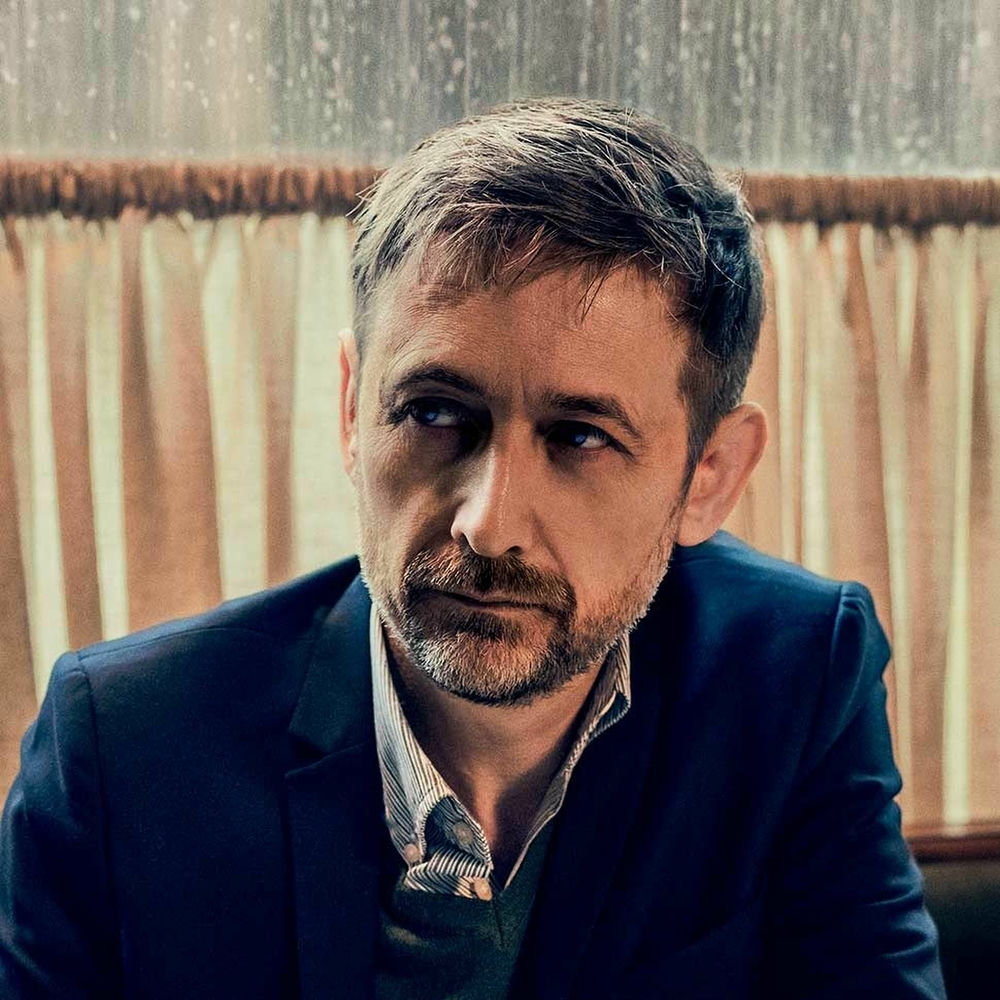
The Divine Comedy is the long-running musical project of Northern Irish singer-songwriter Neil Hannon. Since its formation in 1989, the project has become synonymous with sophisticated, literate baroque pop, releasing over a dozen studio albums and achieving significant chart success in the UK and Ireland, including a UK number one album.
Early career
Neil Hannon formed The Divine Comedy in 1989 in Enniskillen, Northern Ireland, initially as a guitar-based indie band. Their early work, including the 1990 debut Fanfare for the Comic Muse on the Setanta label, showed hints of their orchestral ambitions but failed to gain commercial traction, leading to a period of hiatus and reinvention for Hannon.
Breakthrough
The project's major breakthrough arrived in 1996 with the album Casanova, released on Setanta Records. This record fully embraced Hannon's vision of lush, orchestral pop paired with sharply witty and often risqué lyrics, spawning the hit singles Something for the Weekend and Becoming More Like Alfie. The album reached number 9 on the UK Albums Chart, establishing Hannon's distinctive voice in the British pop landscape.
Key tracks
National Express - This 1998 single from the album Fin de Siècle became their highest-charting UK hit, peaking at number 8 and remains their most recognizable song with its upbeat ode to coach travel.
Something for the Weekend - The lead single from the breakthrough album Casanova introduced a wider audience to Hannon's blend of sexual innuendo and swinging orchestral pop.
Becoming More Like Alfie - Another key single from Casanova, its clever narrative and cinematic arrangement solidified the album's success and thematic boldness.
Generation Sex - A later career highlight from 2019's Office Politics, showcasing Hannon's continued ability to craft incisive social commentary within a dynamic pop framework.
Our Mutual Friend - A quintessential example of Hannon's romantic, string-led balladry, featured on the 1998 album Fin de Siècle.
Following the success of Casanova and Fin de Siècle, Hannon continued to release albums regularly, exploring varied themes from politics to personal introspection. He has also engaged in notable collaborations and side-projects, including writing the theme song for the TV sitcom Father Ted and composing for stage productions. The Divine Comedy's work is consistently characterized by intelligent lyrics, rich musical arrangements, and Hannon's arch, charismatic delivery.
Fans of The Divine Comedy's brand of orchestral, witty pop might also enjoy the work of Belle And Sebastian, who share a fondness for detailed storytelling and indie pop sophistication. The ambitious chamber pop of Sufjan Stevens explores similar grand musical canvases. The lyrical cleverness and pop craftsmanship of Jarvis Cocker also provides a parallel, while the Irish narrative songwriting of The Pogues, though in a different genre, shares a certain literary spirit.
The music of The Divine Comedy, with its blend of indie pop and orchestral grandeur, finds a natural home on sophisticated alternative and indie radio stations. Its timeless quality ensures rotation on channels dedicated to intelligent guitar pop and curated singer-songwriter formats, where Hannon's nuanced compositions truly shine.
Listeners can explore the distinctive catalog of The Divine Comedy through the radio stations featured on onairium.com, discovering the rich tapestry of Neil Hannon's songwriting across decades of baroque pop innovation.