The Golliwogs
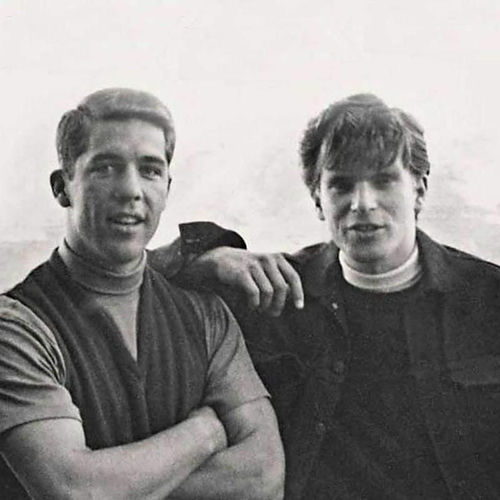
The Golliwogs: The Garage Rock Roots of Creedence Clearwater Revival
The Golliwogs were a 1960s American garage rock band from El Cerrito, California, best known as the direct precursor to the legendary rock act Creedence Clearwater Revival. Their story is one of youthful persistence and regional success that ultimately laid the groundwork for one of the most successful American rock bands of all time.
Early career
The band formed in 1959 under the name The Blue Velvets, with the core lineup of John Fogerty, his brother Tom Fogerty, Stu Cook, and Doug Clifford. Initially a high school instrumental combo, they were signed to the local San Francisco label Fantasy Records in 1964. The label, seeking to capitalize on the British Invasion trend, insisted on the name change to The Golliwogs, under which they released a series of singles from 1964 to 1967.
Breakthrough
The Golliwogs' true breakthrough was an internal one, marked by a pivotal 1967 meeting with Fantasy Records' new owner, Saul Zaentz. He granted the band creative control and a new recording contract. This led them to reclaim their artistic identity, change their name to Creedence Clearwater Revival, and almost immediately achieve massive commercial success with their 1968 self-titled debut album.
Key tracks
Don't Tell Me No Lies — This 1965 single showcases the band's early raw energy and John Fogerty's developing vocal style, a clear step toward their signature sound.
Brown-Eyed Girl — Not to be confused with the Van Morrison hit, this 1966 Golliwogs track is a driving, harmonica-laden rocker that highlights their R&B influences.
Fight Fire — A 1966 release that features a fiercer, more psychedelic-tinged guitar attack, foreshadowing the direction of later Creedence material.
You Can't Be True — A 1966 single that demonstrated the band's improving songcraft and tighter harmonies, moving beyond simple cover versions.
Porterville — The final Golliwogs single from 1967, written by John Fogerty after he was drafted; its darker themes and confident sound signaled the end of the apprenticeship.
The transformation from The Golliwogs to Creedence Clearwater Revival was swift and spectacular. Their first single under the new name, a cover of "Suzie Q," became a national hit, and the following year, 1969, saw an unprecedented run of classic singles including "Proud Mary," "Bad Moon Rising," and "Green River," all topping charts and achieving multi-platinum certifications. The raw garage rock foundation of The Golliwogs was polished into a timeless, swamp-inflected rock and roll machine.
Fans of the raw, energetic 1960s garage rock sound of The Golliwogs should explore similar artists from the era. The Knickerbockers also mastered the British Invasion sound with a powerful American twist. The Seeds offered a fuzz-drenched, psychedelic take on the garage rock formula. The Sonics delivered a rawer, more aggressive proto-punk energy that influenced countless bands. The Remains were another exceptionally tight American band with a similar blend of R&B and rock.
The music of The Golliwogs and their evolution into Creedence Clearwater Revival remains a staple on classic rock FM stations and dedicated 1960s rock radio streams. Their journey from a local cover band to architects of an American rock sound is a fundamental chapter in music history, frequently highlighted in radio programming.
You can hear the essential tracks from The Golliwogs' formative years and the legendary hits of Creedence Clearwater Revival on the classic rock and dedicated era stations featured right here on onairium.com. Tune in to discover the full story of this iconic American band through our curated radio stations.