The Hilliard Ensemble
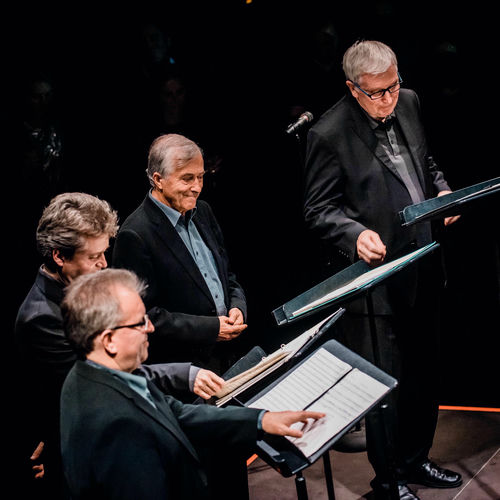
The Hilliard Ensemble: Pioneers of Early Music and Vocal Art
The Hilliard Ensemble was a British vocal quartet that became one of the most definitive and influential groups in the world of early and contemporary classical music. Formed in 1974, the ensemble, named after the Elizabethan miniaturist painter Nicholas Hilliard, achieved global renown for its pristine interpretations of medieval, Renaissance, and modern repertoire, selling hundreds of thousands of albums and defining the sound of a genre for decades.
Early career
The group was founded by countertenor Paul Hillier, who was soon joined by tenor John Potter, baritone Errol Girdlestone, and bass Paul Elliott. Their initial focus was on the intricate polyphony of the Renaissance, but they quickly established a reputation for intellectual rigor and crystalline vocal blend. Early recordings for the EMI Reflexe label in the late 1970s, such as their debut of music by Thomas Tallis, set a new standard for clarity and precision in the field.
Breakthrough
The Hilliard Ensemble's international breakthrough arrived in 1993 with the release of Officium, a landmark collaboration with Norwegian saxophonist Jan Garbarek on the ECM label. This album, featuring Garbarek's improvisations soaring over the ensemble's renditions of medieval chant, became a global crossover phenomenon. It remained on the Billboard Classical Crossover charts for years, achieving gold certification status in several countries and selling over a million copies worldwide, a staggering figure for a project of its nature.
Key tracks
Parce mihi domine — The opening track from Officium, this haunting rendition of a Cristóbal de Morales motet became the signature sound of the album's success.
Veni Sancte Spiritus — This 13th-century conductus showcases the ensemble's pure, unadorned approach to medieval music, a cornerstone of their identity.
Missa pro defunctis — Their recording of this Jean Richafort Requiem demonstrates their mastery of complex Renaissance polyphony and deep textual understanding.
Morimur — A later collaboration with violinist Christoph Poppen, this project centered on the chorales in J.S. Bach's Partita in D minor, highlighting their scholarly and innovative programming.
The success of Officium led to further celebrated collaborations on ECM, including Mnemosyne (1999) and Officium Novum (2010) with Jan Garbarek. The ensemble also forged a profound relationship with contemporary composer Arvo Pärt, becoming primary interpreters of his vocal works and recording the acclaimed album Arvo Pärt: Da pacem. Their final concert was in December 2014, marking the end of a forty-year journey that reshaped the landscape of vocal music. For fans of The Hilliard Ensemble's serene and historically informed sound, the vocal works of The Tallis Scholars offer a similarly luminous approach to Renaissance polyphony. The innovative crossover spirit of Officium finds a parallel in the projects of Jan Garbarek, whose saxophone defined that iconic collaboration. The meditative quality of their singing is echoed in the performances of The Sixteen, another premier British choir. Listeners may also appreciate the precise and expressive interpretations of early music by the German ensemble Orlando di Lasso Ensemble.
The Hilliard Ensemble's vast discography remains a staple on classical radio stations and specialized early music programs worldwide. Their recordings are frequently featured on public radio networks, dedicated classical FM stations, and online streams focusing on choral and historical repertoire, ensuring their legacy continues to reach new audiences.
The music of The Hilliard Ensemble, from medieval masterpieces to modern classics, can be heard on radio stations featured on our website. Listeners can discover the profound artistry of this legendary vocal quartet by tuning into the classical and early music radio stations available on onairium.com.