The Miles Davis Quintet
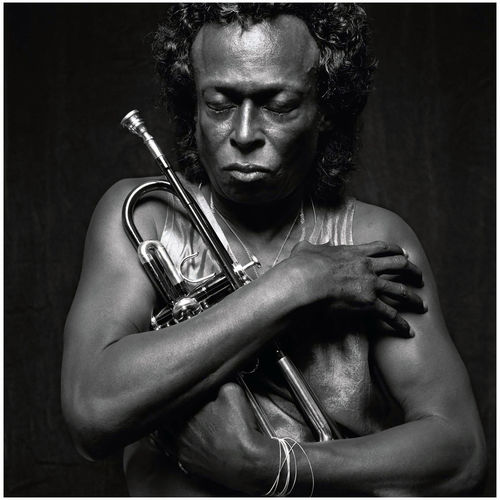
The Miles Davis Quintet: Pioneers of Modern Jazz
The Miles Davis Quintet was a groundbreaking American jazz ensemble that redefined the genre's possibilities. Led by the visionary trumpeter Miles Davis, the group is celebrated for its innovative albums that achieved both critical acclaim and significant commercial success, with several now considered platinum-selling landmarks of 20th-century music.
Early career
The first classic iteration of the Miles Davis Quintet was formed in 1955. Based in New York City, the group emerged from the vibrant post-bop scene, with Davis carefully selecting sidemen known for their inventive prowess.
This initial lineup featured John Coltrane on tenor saxophone, Red Garland on piano, Paul Chambers on bass, and Philly Joe Jones on drums. Their early recordings for the Prestige label, including several albums made in marathon sessions to fulfill a contract, captured a band rapidly evolving its signature sound.
Breakthrough
The quintet's true breakthrough arrived with its move to Columbia Records in the late 1950s. This partnership provided greater resources and exposure, leading to a series of seminal albums that defined modal jazz.
The 1959 album Kind of Blue, though featuring an expanded sextet, was the ultimate artistic and commercial peak stemming from this period. Certified quadruple platinum by the RIAA, it remains the best-selling jazz album of all time and a cornerstone of the quintet's legacy.
Key tracks
So What — This opening track from Kind of Blue is the quintessential introduction to modal jazz, built on a simple scale that launched countless improvisations.
Freddie Freeloader — Notable for featuring pianist Wynton Kelly, this blues-based track showcases the band's impeccable swing and accessible groove.
Milestones — The title track from the 1958 album pioneered the modal approach, moving away from complex chord changes to focus on melodic modes.
All of You — A brilliant example from the group's earlier Prestige era, highlighting their ability to deconstruct and reinvent standard song forms with relentless energy.
The mid-1960s saw Davis assemble a new, younger quintet that pushed jazz toward abstraction. With Wayne Shorter, Herbie Hancock, Ron Carter, and Tony Williams, they recorded a series of albums for Columbia like E.S.P. and Miles Smiles. This "second great quintet" expanded the language of jazz with complex original compositions and radical interplay, influencing generations to come. Their work never achieved the mass sales of Kind of Blue but is critically revered for its artistic ambition.
For fans of The Miles Davis Quintet's sophisticated and forward-thinking style, explore similar artists featured on our site. John Coltrane was a pivotal member whose own work as a leader explored spiritual and avant-garde jazz. Herbie Hancock evolved from the quintet's pianist to a fusion and funk innovator. Wayne Shorter contributed seminal compositions as saxophonist in the second quintet and with Weather Report. Bill Evans played a crucial role on Kind of Blue, bringing a lyrical, impressionistic harmonic approach.
The music of The Miles Davis Quintet maintains a constant presence on radio, featured on dedicated jazz FM stations, public radio broadcasts, and online streams focusing on classic and modern jazz. Their recordings form the essential core of any serious jazz programming block.
Listeners can explore the revolutionary sound of The Miles Davis Quintet through the curated jazz stations available on onairium.com, where their landmark albums and key tracks are regularly featured in rotation.