
The Move: Pioneers of British Psychedelic and Rock
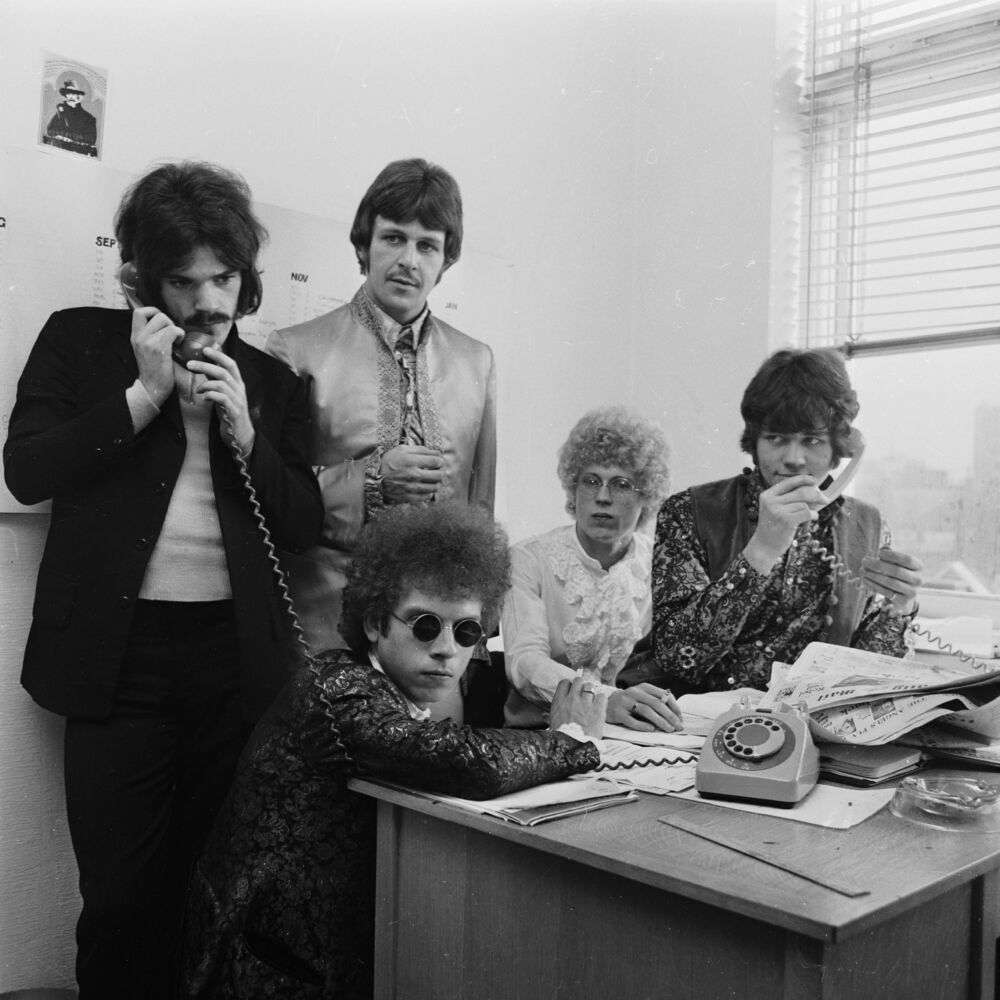
The Move was a dynamic and influential British rock band that emerged from Birmingham in the mid-1960s. They are celebrated for their string of inventive hit singles, their role in the UK's psychedelic and pop-rock scenes, and for being the direct precursor to the Electric Light Orchestra.
Early career
The Move formed in 1965, uniting members of several successful Birmingham beat groups, most notably singer Carl Wayne and guitarist/songwriter Roy Wood. They quickly gained a reputation for energetic live shows, which sometimes included the theatrical destruction of television sets. Their 1966 debut single, Night of Fear, reached number two on the UK Singles Chart, establishing them as hitmakers on the Regal Zonophone label.
Breakthrough
The band's commercial peak arrived in 1968 with the single Blackberry Way, which soared to number one on the UK chart. This period solidified their status as masters of sophisticated, orchestral-tinged pop. Their self-titled debut album, The Move, also released in 1968, showcased their eclectic range from hard rock to psychedelic pop, though it was their singles that consistently defined their chart success.
Key tracks
Night of Fear — Their explosive debut single cleverly adapted Tchaikovsky's "1812 Overture" into a driving psychedelic rock track.
I Can Hear the Grass Grow — A quintessential UK psychedelic pop song that reached number five, highlighting Roy Wood's gift for melodic oddity.
Flowers in the Rain — This 1967 single was the very first record played on BBC Radio 1, securing its place in British broadcasting history.
Blackberry Way — Their sole UK number one hit, a melancholic and beautifully arranged baroque-pop masterpiece.
Brontosaurus — A later, heavier rock single from 1970 that showcased the band's evolving sound towards proto-glam.
As the 1970s began, The Move's lineup shifted, with Jeff Lynne joining in 1970, forming a pivotal songwriting partnership with Roy Wood. The band's final albums, Shazam and Looking On, displayed a harder, more progressive rock direction. This creative evolution culminated in the founding of the Electric Light Orchestra by Wood and Lynne, with The Move officially dissolving after their 1972 album Message from the Country.
Fans of The Move's blend of melodic hooks and ambitious arrangements should explore similar artists from the UK rock scene. The Who shared a similar power and theatricality in their mod and rock phases. The Kinks mirrored The Move's journey from raw rock to intricate British character studies. Electric Light Orchestra is the direct successor, expanding on the orchestral rock ideas first explored by The Move. Slade captured a similar raucous, working-class rock energy that defined later Move performances.
The Move's catalog remains a staple on classic rock FM stations and dedicated psychedelic rock radio streams. Their essential hits are frequently featured in programming blocks celebrating the British Invasion and the vibrant UK music scene of the late 1960s.
Listeners can discover the influential music of The Move on the classic rock and specialist retro stations featured on our website. Tune in via onairium.com to hear their pioneering blend of psychedelic pop and powerful rock across our curated radio stations.