The Other Ones
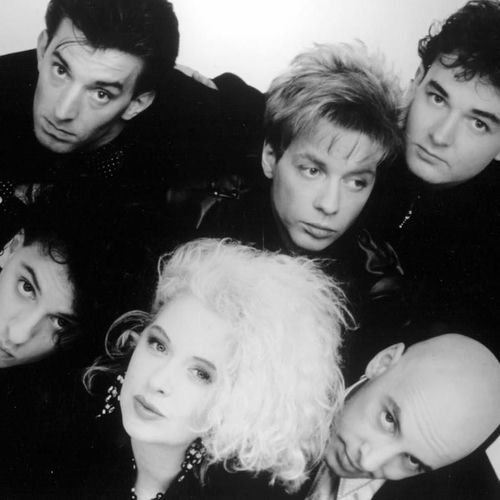
The Other Ones: The Grateful Dead's Rock & Roll Continuum
The Other Ones are an American rock band formed by former members of the legendary Grateful Dead, serving as a direct musical continuation of that iconic group's legacy. Emerging in the late 1990s, the band provided a vital platform for Dead repertoire and new material, headlining major tours and festivals that drew hundreds of thousands of fans, effectively keeping the spirit of the Dead's live experience alive for a new generation.
Early career
The band's formation was a direct response to the 1995 death of Grateful Dead guitarist and leader Jerry Garcia. In 1998, core Grateful Dead members Bob Weir, Phil Lesh, Mickey Hart, and Bruce Hornsby united under the name The Other Ones for the first "Furthur Festival" tour. This initial lineup, also featuring guitarist Steve Kimock, demonstrated the enduring demand for the Dead's expansive catalog and improvisational concert style, selling out amphitheaters across the United States.
Breakthrough
The Other Ones solidified their status as the premier post-Garcia ensemble with their 2002 summer tour and the subsequent live album The Strange Remain, released on Grateful Dead Records. The double-CD set, capturing performances from that acclaimed tour, debuted in the Top 50 on the Billboard 200 chart, proving the commercial viability of the project and cementing its place in the live rock landscape.
Key tracks
Victim or the Crime — This brooding, complex song from the Dead's late era became a surprising centerpiece for the band, showcasing their ability to tackle darker, more challenging material.
Cassidy — A quintessential Weir song that highlighted the band's tight vocal harmonies and intricate, folk-rock arrangements, often serving as a setlist staple.
Fire on the Mountain — The band's extended, groove-heavy interpretations of this classic Dead tune became a guaranteed dance inducer, linking directly to the original band's rhythmic pulse.
The Other One — Serving as both a band namesake and a musical manifesto, this psychedelic epic allowed for expansive group improvisation, a core tenet of the Dead's philosophy.
Following the success of the 2002-2003 tours, the band underwent a significant evolution. In 2003, the members decided to reclaim the most powerful name in their history, officially rebranding as The Dead for a 2004 tour. This transition marked the end of The Other Ones as a named entity, but its members continued to collaborate in various configurations, including the highly successful Dead & Company tours starting in 2015.
The music of The Other Ones is a bridge between eras, featuring not only Grateful Dead classics but also new compositions that expanded the canon. Their performances were characterized by the same exploratory jams and setlist variability that defined a Dead show, with a focus on the interlocking guitar work of Weir and Kimock and the foundational rhythm section of Lesh and Hart.
Fans of The Other Ones' jam-based rock tradition also enjoy the music of Phil Lesh for his deep bass-led explorations and frequent collaborations. Bob Weir offers a similar roots-rock and rhythm guitar focus in his solo projects. Widespread Panic carries the torch for Southern-fried improvisation and dedicated touring. Umphreys McGee provides a more modern, progressive metal-influenced take on the jam band genre.The Other Ones' catalog remains in heavy rotation on classic rock FM stations and dedicated jam band radio streams, where their extended live versions are perfectly suited for long-form programming. Independent music radio stations with a focus on legacy rock acts frequently feature tracks from The Strange Remain to represent this pivotal chapter in American rock history.
You can hear the enduring rock legacy of The Other Ones on radio stations featured right here on onairium.com. Explore our curated selection of classic and alternative rock stations to discover their key live recordings and immerse yourself in a definitive piece of the Grateful Dead's ongoing story.