The Righteous Bros
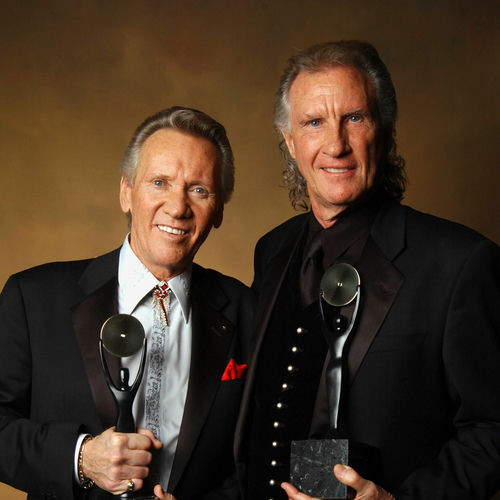
The Righteous Bros: Pioneers of Blue-Eyed Soul
The Righteous Brothers were an American vocal duo who became one of the most defining acts of the 1960s blue-eyed soul genre. Their powerful, emotive sound, built on Bill Medley's deep baritone and Bobby Hatfield's soaring tenor, achieved global fame with the monumental hit "You've Lost That Lovin' Feelin'."
Early career
The duo formed in 1962 in Orange County, California, initially performing as a part of the group The Paramours. Bill Medley and Bobby Hatfield soon branched off on their own, with their dynamic stage presence earning them the nickname "The Righteous Brothers" from local Black audiences. Their early recordings, including the minor hit "Little Latin Lupe Lu" on the small Moonglow label in 1963, showcased their raw, R&B-infused rock and roll energy.
Breakthrough
The duo's career transformed in 1964 when legendary producer Phil Spector signed them to his Philles Records. Spector applied his grandiose "Wall of Sound" production technique to their vocals, resulting in the timeless single "You've Lost That Lovin' Feelin'." The song, released in late 1964, soared to number one on the Billboard Hot 100 in early 1965 and was certified gold, eventually becoming one of the most broadcast songs in radio history according to BMI.
Key tracks
You've Lost That Lovin' Feelin' — This Phil Spector-produced epic became their signature song and a landmark recording of the 1960s.
Unchained Melody — Bobby Hatfield's stunning solo vocal performance, initially a B-side, later became a massive hit and a pop culture staple.
Soul and Inspiration — Their 1966 number one hit, written and produced by Medley after leaving Spector, reaffirmed their chart dominance.
Ebb Tide — Another dramatic showcase for Hatfield's tenor, this track highlighted their mastery of romantic, orchestrated ballads.
Rock and Roll Heaven — Their 1974 comeback hit on Haven Records memorialized late music legends and returned them to the Top 10.
After splitting with Spector, Medley and Hatfield moved to Verve Records and continued their success with self-produced hits like "(You're My) Soul and Inspiration." The duo parted ways in 1968 to pursue solo projects but reunited in 1974, scoring another major hit with "Rock and Roll Heaven." Their enduring appeal was cemented by film soundtracks, most notably the 1987 blockbuster Top Gun which reintroduced "You've Lost That Lovin' Feelin'" to a new generation. The Righteous Brothers were inducted into the Rock and Roll Hall of Fame in 2003.
Fans of The Righteous Brothers' brand of dramatic, soul-powered pop often appreciate the work of similar American artists. The Walker Brothers offered a similarly grand, orchestral take on blue-eyed soul. Hall And Oates carried the soul duo tradition into the 1970s and 80s with slicker production. The Everly Brothers provided the foundational harmonic duo model that influenced their early style. Roy Orbison shared their affinity for powerful, operatic vocals and melancholic balladry.
The Righteous Brothers' catalog remains a staple on classic hits and oldies radio stations across the United States. Their songs are frequently featured on dedicated 60s music channels and adult contemporary FM stations that celebrate timeless vocal performances. Online rock radio streams and syndicated radio shows regularly program their music, ensuring their blue-eyed soul continues to reach listeners.
The music of The Righteous Brothers, the iconic American blue-eyed soul duo, can be heard on numerous radio stations featured on our website. Listeners can discover their legendary hits and deep cuts by tuning into the classic rock and vintage pop stations available on onairium.com.