
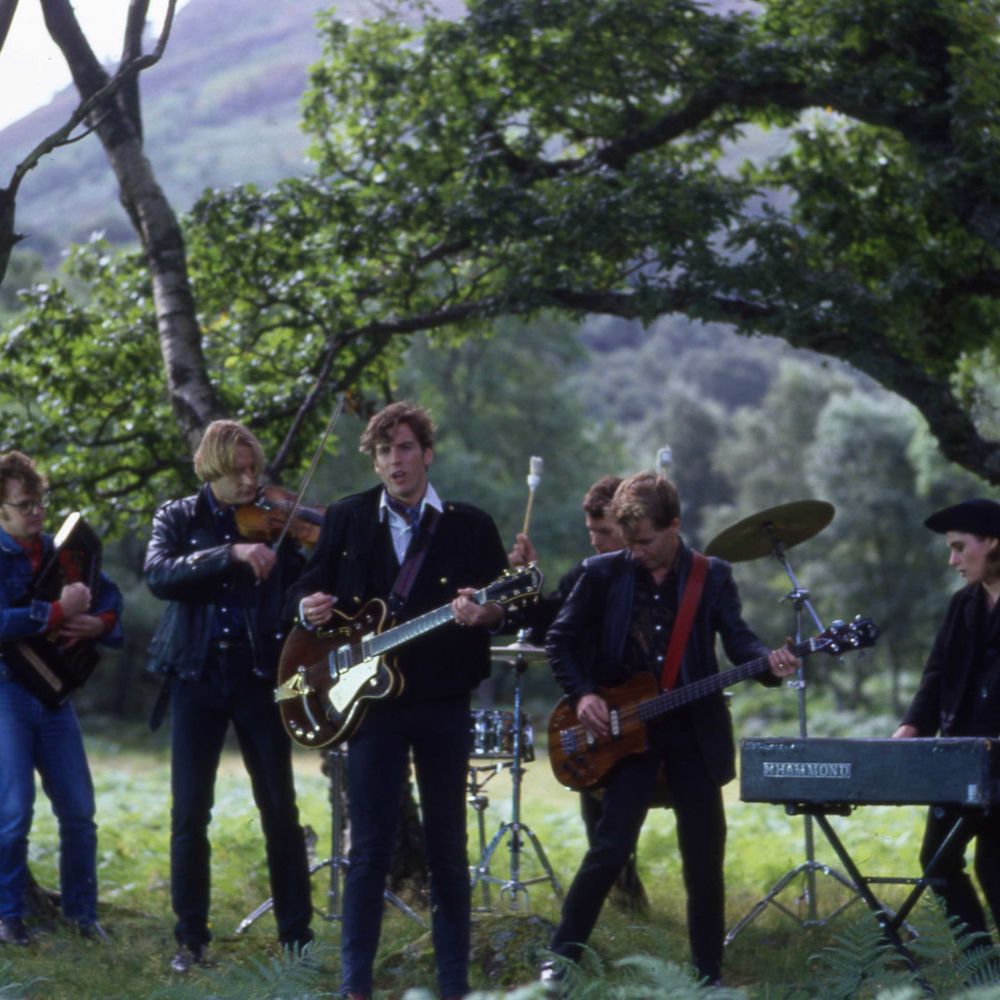

The Triffids: Australia's Pioneers of Atmospheric Indie Rock
The Triffids were an influential Australian rock band formed in Perth in the late 1970s, known for their poetic lyricism and evocative, often sparse musical landscapes. Emerging from the country's vibrant post-punk scene, the group carved a unique path with critically acclaimed albums like Born Sandy Devotional (1986) and Calenture (1987), achieving a lasting legacy as cult icons of indie rock despite modest commercial success during their active years.
Early career
The band's origins trace back to 1978 when primary songwriter and vocalist David McComb, alongside his brother Robert on keyboards and guitar, began crafting songs in their native Perth. Initially a DIY endeavor, the early Triffids sound was shaped by the remote isolation of Western Australia, blending folk, country, and post-punk influences into a distinctive, narrative-driven style. Their independent early releases, including the cassette Raining Pleasure (1980) and the album Treeless Plain (1983), established their reputation for intense, literary rock music.
Breakthrough
The Triffids' critical breakthrough arrived with their 1986 masterpiece, Born Sandy Devotional, an album widely regarded as one of the finest in Australian rock history. Recorded after a period spent in London, the album's sweeping, desolate soundscapes and McComb's profound songwriting, featuring the iconic track "Wide Open Road," earned them significant acclaim in Europe and at home. This period marked their peak, leading to a major label deal with Island Records for the follow-up, Calenture, in 1987.
Key tracks
Wide Open Road - This driving, cinematic single from Born Sandy Devotional became the band's most recognizable song, perfectly capturing their themes of isolation and vast Australian landscapes.
Bury Me Deep in Love - A lush, romantic ballad from Calenture that showcased the band's ability to craft powerful pop melodies within their intricate arrangements.
Field of Glass - An earlier, haunting track that exemplifies the band's post-punk roots and McComb's dark, poetic lyrical style.
The Seabirds - A epic, slow-building album closer from Born Sandy Devotional that highlights the band's dynamic range and atmospheric prowess.
Despite the artistic success of CalentureThe Black Swan (1989), The Triffids struggled to achieve mainstream commercial viability and disbanded in 1990. The tragic death of frontman David McComb in 1999 cemented their status as a legendary, lost treasure of the Australian alternative music scene. In the decades since, The Triffids' influence has only grown, with their albums being reissued and their work celebrated by new generations of musicians and fans who discover their rich catalog of indie rock.
Fans of The Triffids' deeply atmospheric and lyrical style often also appreciate the work of fellow Australian artists like The Go-Betweens, who shared a similar literary approach to songwriting in the same era. The moody, narrative-driven rock of Nick Cave & The Bad Seeds explores comparable thematic territory. Listeners drawn to the jangle-pop and folk-rock elements in The Triffids' music might enjoy the sounds of Paul Kelly, another pillar of Australian storytelling through song.
The music of The Triffids continues to resonate on radio stations that specialize in classic alternative rock and deep-cut album tracks, particularly on stations dedicated to indie rock history and Australian music. Their songs are a staple on programs that explore the roots of atmospheric and post-punk influenced rock, ensuring their pioneering sound remains on the airwaves for curious listeners.
You can discover the evocative music of The Triffids on various radio stations featured here, from dedicated alternative rock streams to stations celebrating the rich history of Australian rock music.
