
The Verve
Listen The Verve on radio stations:






The Verve: Pioneers of Britpop and Atmospheric Rock
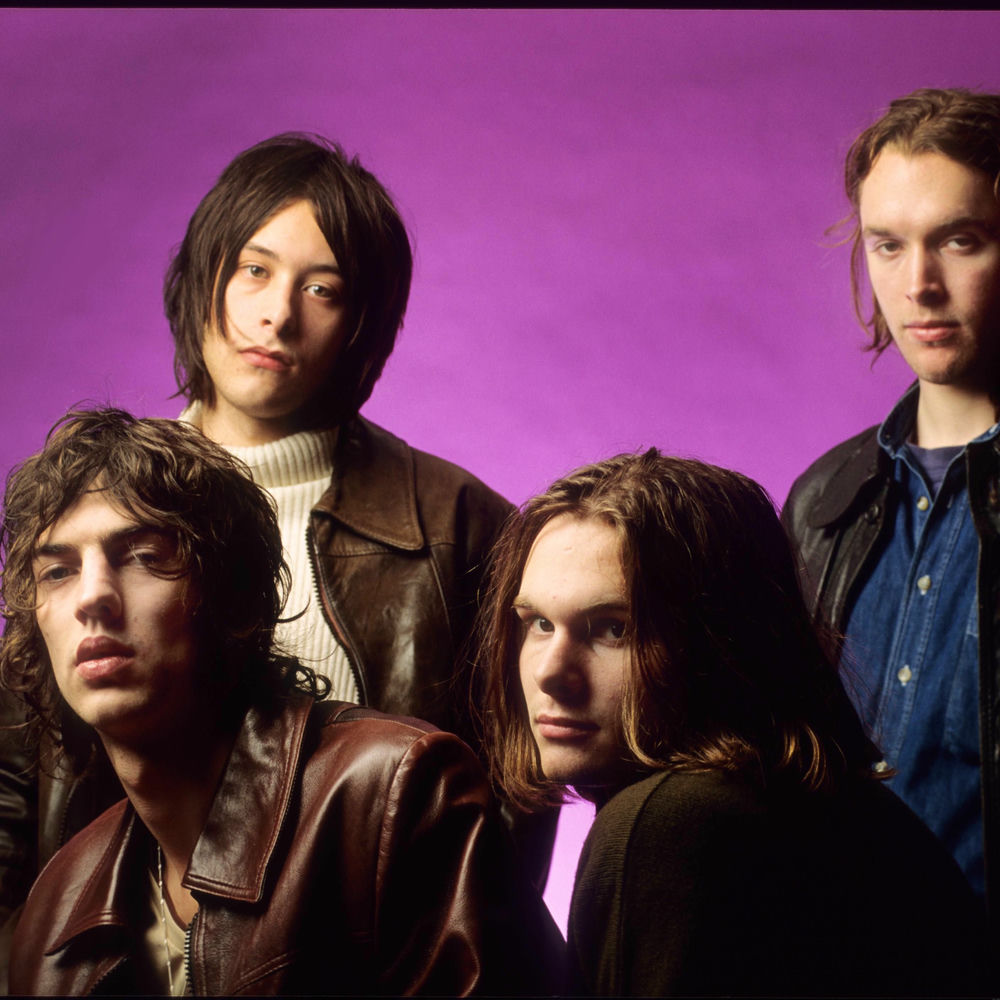
The Verve were an English rock band from Wigan, best known for their 1997 global hit "Bitter Sweet Symphony". The group's blend of psychedelic soundscapes, shoegaze textures, and anthemic songwriting made them a defining act of the 1990s Britpop era.
Early career
Formed in 1990, the original lineup consisted of vocalist Richard Ashcroft, guitarist Nick McCabe, bassist Simon Jones, and drummer Peter Salisbury. Their early sound was heavily influenced by psychedelic rock and the emerging shoegaze scene, leading to the release of their debut EP, Verve, in 1992 on the Hut label.
This was followed by their first album, A Storm in Heaven, in 1993, which established their reputation for expansive, swirling guitar work and atmospheric compositions. Legal pressure from the American jazz label of the same name forced the band to temporarily add "The" to their moniker, becoming The Verve.
Breakthrough
The band's commercial breakthrough arrived with their third studio album, Urban Hymns, released in September 1997. While internal tensions had caused a split in 1995, the band reformed in 1996 with the addition of guitarist and keyboardist Simon Tong. Urban Hymns became a cultural phenomenon, selling over 10 million copies worldwide.
Propelled by its iconic singles, the album topped the UK Albums Chart and achieved multi-platinum status in several countries. Despite this massive success, longstanding creative friction led to The Verve disbanding for a second time in 1999, after which Richard Ashcroft pursued a solo career.
Key tracks
Bitter Sweet Symphony - Built around a sampled orchestral loop, this song became an era-defining anthem and the band's biggest international hit, though its legal complexities are well-documented.
The Drugs Don't Work - A poignant ballad that showcased Richard Ashcroft's songwriting depth, this track became The Verve's first UK number-one single.
Lucky Man - Another major single from Urban Hymns, this song highlighted the album's more accessible, anthemic rock direction.
History - A track from the 1995 album A Northern Soul, it is often cited as a creative high point that foreshadowed the epic sound of their later work.
The band reunited briefly in 2007, releasing the album Forth in 2008, which debuted at number one in the UK, before entering another indefinite hiatus. Their influence persists in the work of many subsequent artists who blend rock ambition with atmospheric production.
Fans of The Verve's immersive sound often appreciate the work of Radiohead for their similar embrace of atmospheric rock and experimentation. The anthemic qualities of Oasis share a common Britpop lineage, while the psychedelic textures of Spiritualized explore related sonic territories. The early work of Coldplay also shows a clear debt to The Verve's model of emotive, large-scale rock music.
