The West Coast Pop Art Experimental Band: Pioneers of Psychedelic Garage Rock
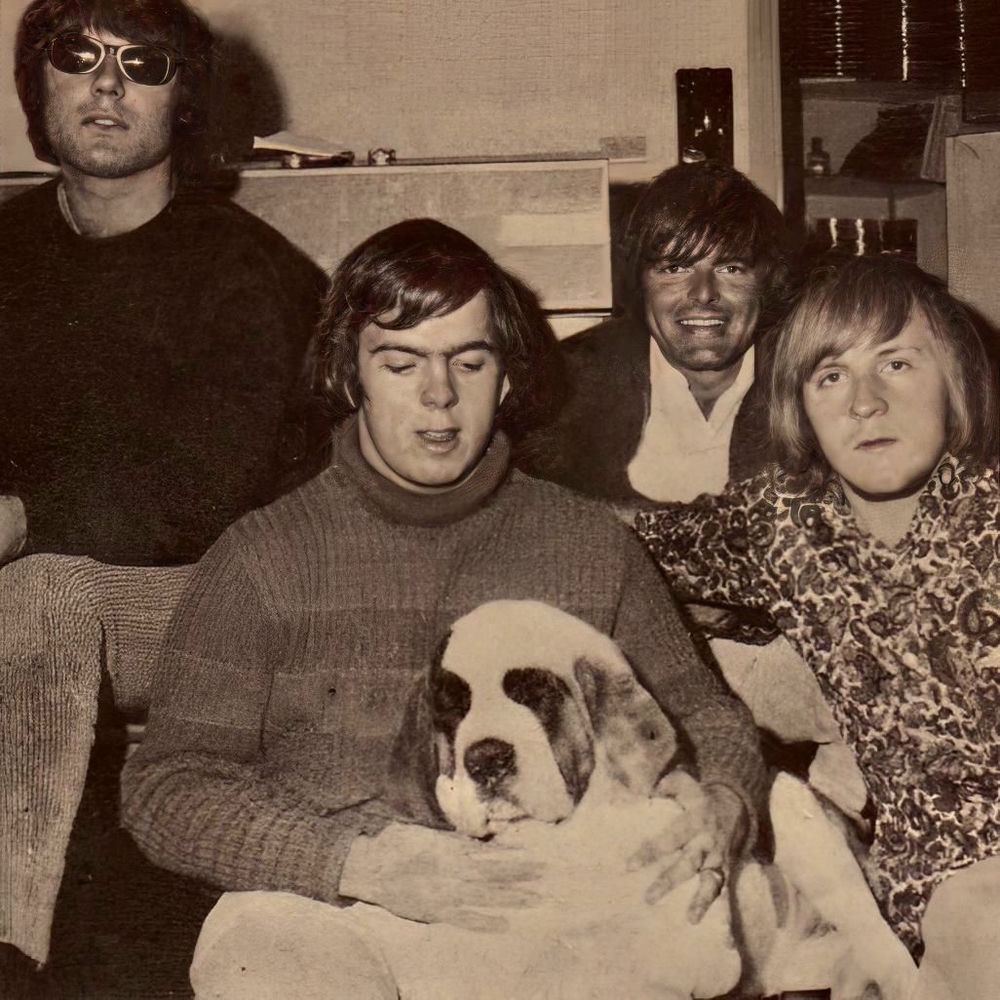
The West Coast Pop Art Experimental Band was an American psychedelic rock group active in the late 1960s. Hailing from Los Angeles, California, the band is best known for their eclectic and often bizarre blend of garage rock, psychedelic pop, and avant-garde experimentation, leaving behind a cult discography that continues to intrigue listeners.
Early career
The band's origins trace back to 1965, formed around the core of brothers Shaun and Danny Harris, whose father, Bob Markley, a wealthy oil heir and part-time musician, became the group's enigmatic frontman and financier. Their early lineup solidified with the addition of guitarist Michael Lloyd, and they quickly became a fixture on the vibrant Los Angeles psychedelic scene, releasing their first album, "Volume One," in 1966 on the small Fifo label.
Breakthrough
The group's most recognized period began with their signing to Reprise Records in 1967. Their first major-label album, "Part One," released that same year, featured a more polished yet still deeply unconventional take on psychedelia, including their notable cover of "Help, I'm a Rock." While never achieving mainstream chart success, the album established their reputation for blending catchy melodies with dark, surreal lyrics and experimental soundscapes, garnering a dedicated underground following.
Key tracks
Help, I'm a Rock - This frantic cover of a Frank Zappa and The Mothers of Invention song became a signature track, showcasing their ability to warp pop structures into something unsettling and avant-garde.
I Won't Hurt You - A stark contrast to their noisier work, this gentle, melancholic ballad written by the Harris brothers highlights the band's capacity for fragile beauty and harmonic sophistication.
Smell of Incense - A swirling, sitar-tinged psychedelic pop number that exemplifies the band's access to studio resources and their commitment to crafting detailed, atmospheric soundscapes.
1906 - An epic, multi-part suite from their 1968 album "Volume 3: A Child's Guide to Good and Evil," this track encapsulates their ambitious, narrative-driven approach to psychedelic rock, moving through distinct musical movements.
The band's output remained prolific but unstable, with frequent lineup changes and a shifting musical focus across subsequent albums like "Where's My Daddy?" (1969) and "Markley, A Group" (1970). Their work grew increasingly dark and disjointed, reflecting internal tensions and the fading optimism of the 1960s counterculture, before the group dissolved in the early 1970s.
Despite their short and chaotic career, The West Coast Pop Art Experimental Band's legacy is secured by their fearless experimentation. Their music, ranging from sun-drenched psychedelic pop to abrasive garage rock freak-outs, serves as a fascinating document of Los Angeles' psychedelic era, prized by collectors and fans of obscure, adventurous rock.