The Young Gods
Type: Group
 Chad
Chad
Chad
Listen on radio stations:

The Young Gods: Swiss Pioneers of Industrial and Electronic Rock
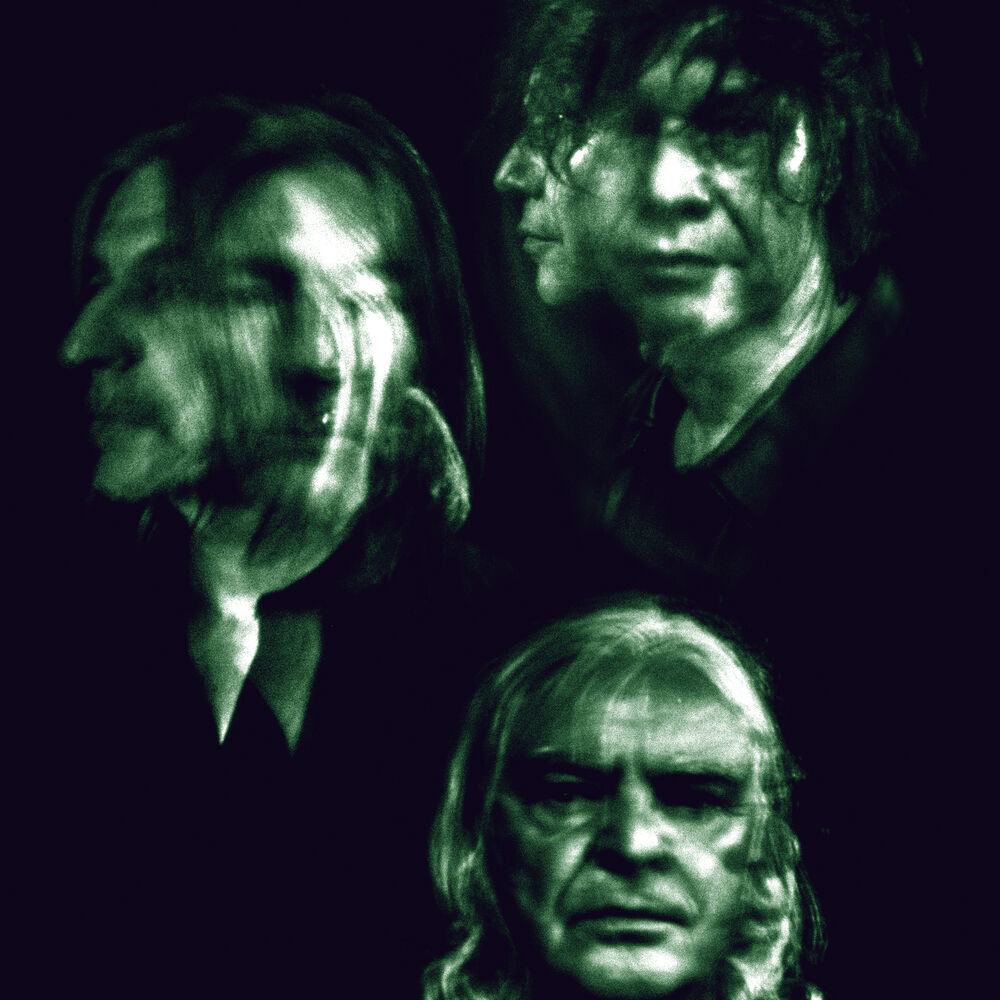
The Young Gods are a Swiss experimental rock band renowned for their innovative fusion of industrial music, electronic sampling, and rock energy. Formed in Lausanne in 1985, the group carved a unique path in the European alternative scene by replacing traditional guitars with heavily processed samples, creating a powerful and cinematic sound.
Early Career
The Young Gods were founded by vocalist Franz Treichler, sampler programmer and keyboardist Cesare Pizzi, and drummer Frank Bagnoud. Their early work was defined by a radical approach, using samplers to deconstruct and reassemble rock and classical music into a new, aggressive form. Their self-titled debut album, "The Young Gods," was released in 1987 on the Swiss label Off Course and the UK label Product Inc., immediately establishing their signature sound built from sampled guitar riffs and orchestral hits.
Breakthrough
The band's international breakthrough came with their second album, 1989's "L'Eau Rouge." This release, particularly through tracks like "L'Amourir," garnered critical acclaim across Europe and introduced their music to a wider alternative and industrial rock audience. The album's success led to tours and a growing reputation for their intense, sample-based live performances, solidifying their status as pioneers.
Key Tracks
L'Amourir - This track from "L'Eau Rouge" became an early anthem, showcasing their ability to blend melancholic melody with crushing, sampled industrial power.
Skin Flowers - A single from the 1992 album "T.V. Sky," it demonstrated the band's evolving, more atmospheric side while retaining their rhythmic drive.
Our House - From the 2007 album "Super Ready/Fragmenté," this song is a prime example of their later-period sound, merging electronic programming with rock dynamics.
Longue Route - This epic track illustrates the band's cinematic scope and their continued exploration of texture and mood across their career.
Throughout the 1990s and 2000s, The Young Gods continued to evolve, exploring quieter, more ambient territories on albums like "Heaven Deconstruction" while also delivering raw rock energy on others like "Second Nature." Their consistent output has maintained their cult status, and they have collaborated with artists like Roli Mosimann and performed their sample-based reinterpretations of classic rock material, such as Kurt Weill's "Moon of Alabama."
Artists exploring similar terrain of industrial, electronic, and experimental rock include the Belgian act Front 242, pioneers of European electronic body music. The American industrial rock band Ministry shares a comparable aggressive, sample-heavy approach. For a more guitar-centric but thematically aligned Swiss act, listeners might explore The Legendary Flower Poets from the same era.
Similar artists