

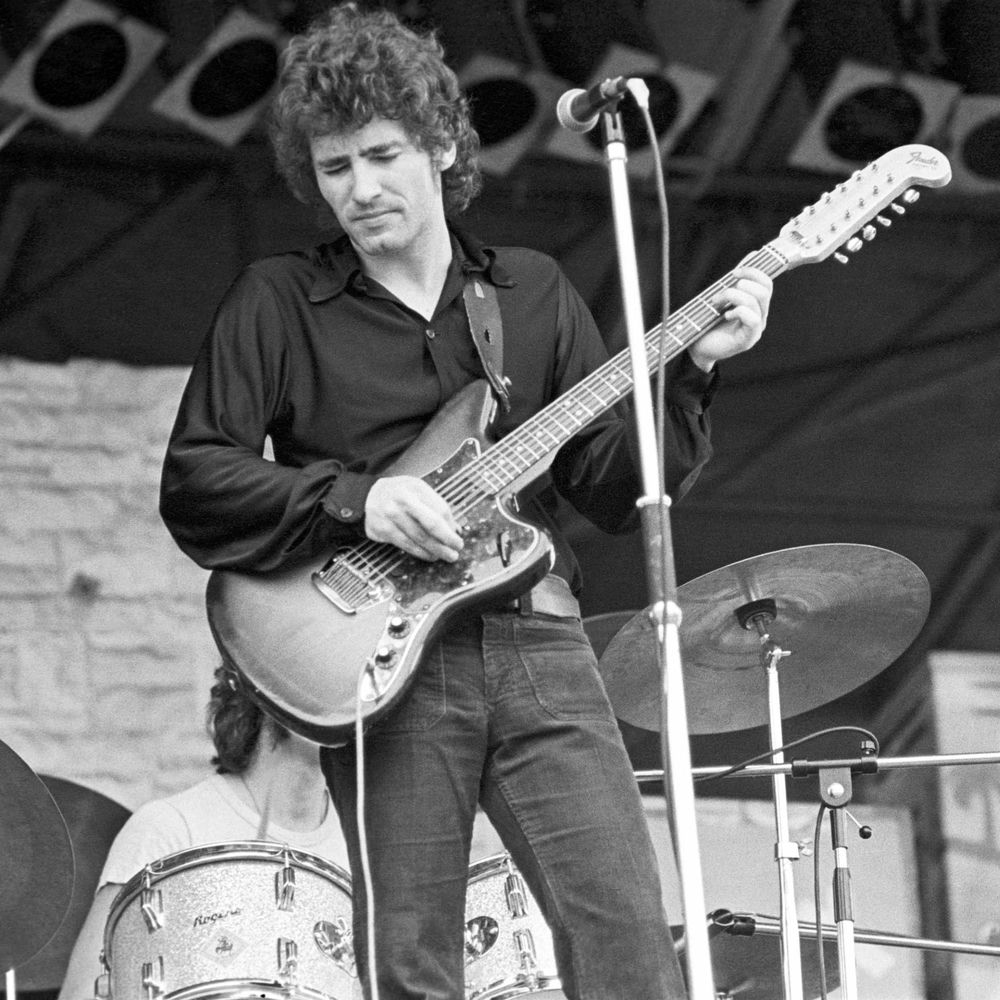
Tim Buckley
Listen Tim Buckley on radio stations:
Tim Buckley: The Ethereal Voice of Folk-Rock and Jazz Fusion
Tim Buckley was an American singer-songwriter and guitarist whose brief but prolific career left an indelible mark on the folk-rock and experimental music scenes of the 1960s and 1970s. Hailing from Washington D.C. and later based in California, Buckley is best remembered for his extraordinary vocal range and his relentless artistic evolution across nine studio albums, which saw him traverse folk, psychedelic rock, jazz fusion, and avant-garde soul.
Early Career
Tim Buckley began his musical journey in the mid-1960s after moving to Los Angeles, where he became a fixture in the city's burgeoning folk scene. His 1966 self-titled debut album, released on Elektra Records, established him as a promising young folk troubadour with a penchant for poetic lyricism and complex melodies, drawing immediate comparisons to his contemporary Fred Neil.
Breakthrough
Buckley's artistic breakthrough came with his second album, 1967's "Goodbye and Hello," which showcased a dramatic shift toward more ambitious, Baroque-tinged folk-rock arrangements and socially conscious songwriting. While not a major commercial hit, the album cemented his critical reputation and expanded his audience, particularly with the track "Once I Was," which later became one of his most enduring songs.
Key Tracks
Song to the Siren - This haunting, ethereal ballad from the 1970 album "Starsailor" became a cult classic and was later famously covered by This Mortal Coil, introducing Buckley's work to a new generation of listeners.
Once I Was - A standout from "Goodbye and Hello," this song remains a quintessential example of Buckley's early folk-rock style and melancholic romanticism.
Buzzin' Fly - Featured on 1969's "Happy Sad," this track highlights Buckley's move into jazzy, improvisational folk with its intricate guitar work and warm, intimate delivery.
Throughout the late 1960s and early 1970s, Tim Buckley continued to evolve at a startling pace, alienating some of his initial folk audience but gaining respect for his fearless experimentation. Albums like "Lorca" and "Starsailor" ventured into challenging, avant-garde territory, blending free jazz, psychedelia, and his own unique vocal techniques. His final albums, "Greetings from L.A." and the posthumously released "Look at the Fool," saw him exploring a more accessible, funk-inflected rock and soul sound. Buckley's prolific output and chameleonic approach to genre have solidified his legacy as a uniquely gifted and uncompromising artist in the American musical landscape.
Fans of Tim Buckley's eclectic and emotive style may also appreciate the work of other innovative singer-songwriters from his era. Fred Neil shared Buckley's deep, resonant baritone and early folk-blues roots. Nick Drake explored similarly introspective and finely-wrought acoustic territories in the UK. Jeff Buckley, his son, inherited his father's formidable vocal prowess and genre-defying ambition. The experimental jazz-folk fusion of Van Morrison during his "Astral Weeks" period also provides a compelling parallel to Buckley's later work.
