Tim Hecker
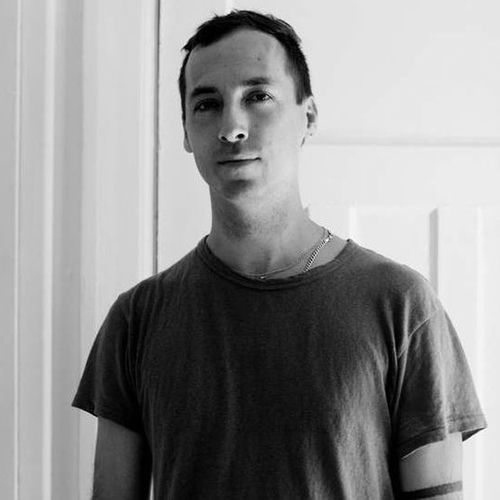
Tim Hecker: Architect of Ambient Noise
Tim Hecker is a Canadian electronic musician and sound artist renowned for his transformative approach to ambient and experimental music. Hailing from Vancouver and based in Montreal, he has built a formidable international reputation through critically acclaimed albums like 2011's Ravedeath, 1972 and 2013's Virgins, which have defined the outer edges of contemporary composition.
Early career
Born in 1974, Tim Hecker began his musical explorations under the alias Jetone, releasing IDM and glitch-oriented works in the early 2000s on labels like Alien8. His pivot towards dense, textural ambient music came with his first official album under his own name, 2001's Haunt Me, Haunt Me Do It Again, which established his signature style of melding melodic fragments with overwhelming waves of processed sound and distortion.
Breakthrough
Hecker's artistic breakthrough arrived with the 2006 album Harmony in Ultraviolet on Kranky, a label that would become his long-term home. The record received widespread critical praise for its sublime and destructive beauty, cementing his status as a leading figure in post-millennial ambient music and significantly expanding his audience within the experimental and independent music spheres.
Key tracks
Radio Amor — The title track from his 2003 album showcases his early mastery of shortwave radio static and oceanic soundscapes.
Chimeras — A pivotal piece from Harmony in Ultraviolet that balances corrosive noise with moments of fragile, radiant harmony.
The Piano Drop — The opening track of Ravedeath, 1972 is a monumental statement built around the decay of a manipulated pipe organ recording.
Virgins — The title track from his 2013 album introduces a more acoustic, piano-led tension amidst his signature digital processing.
This Life — A key moment from 2016's Love Streams, notable for its use of processed choral vocals via an Icelandic choir.
His subsequent work has continued to explore the fissures between organic instrumentation and digital chaos. Albums like 2018's Konoyo, created in collaboration with gagaku musicians in Tokyo, and 2023's No Highs further investigate themes of austerity, drone, and melancholic reflection. Hecker has also engaged in notable collaborations, including a commissioned piece for the Unsound Festival with composer Ben Frost and acclaimed live performances worldwide that present his studio constructions as visceral, physical experiences.
For listeners captivated by Tim Hecker's immersive and challenging sound worlds, other pioneering artists in the realms of ambient and experimental electronics include Fennesz, whose guitar-based digital glitch shares a similar emotional resonance. Ben Frost explores comparable territories of intense, cinematic drone and harmonic tension. William Basinski is another key figure in ambient music, famous for his evocative tape loop experiments. Oneohtrix Point Never shares a foundational interest in synthesizer nostalgia pushed through a complex, modern lens.
Tim Hecker's influential catalog is a staple on dedicated online radio streams and independent music radio stations that focus on avant-garde, ambient, and experimental electronic genres. His albums are frequently featured in full-album showcases and thematic programming blocks that explore the depths of contemporary sound art.
The expansive and haunting music of Tim Hecker can be heard on specialty radio stations featured on our website. Listeners can discover his evolving discography and experience his profound sonic landscapes through the curated ambient and experimental channels available on onairium.com.