

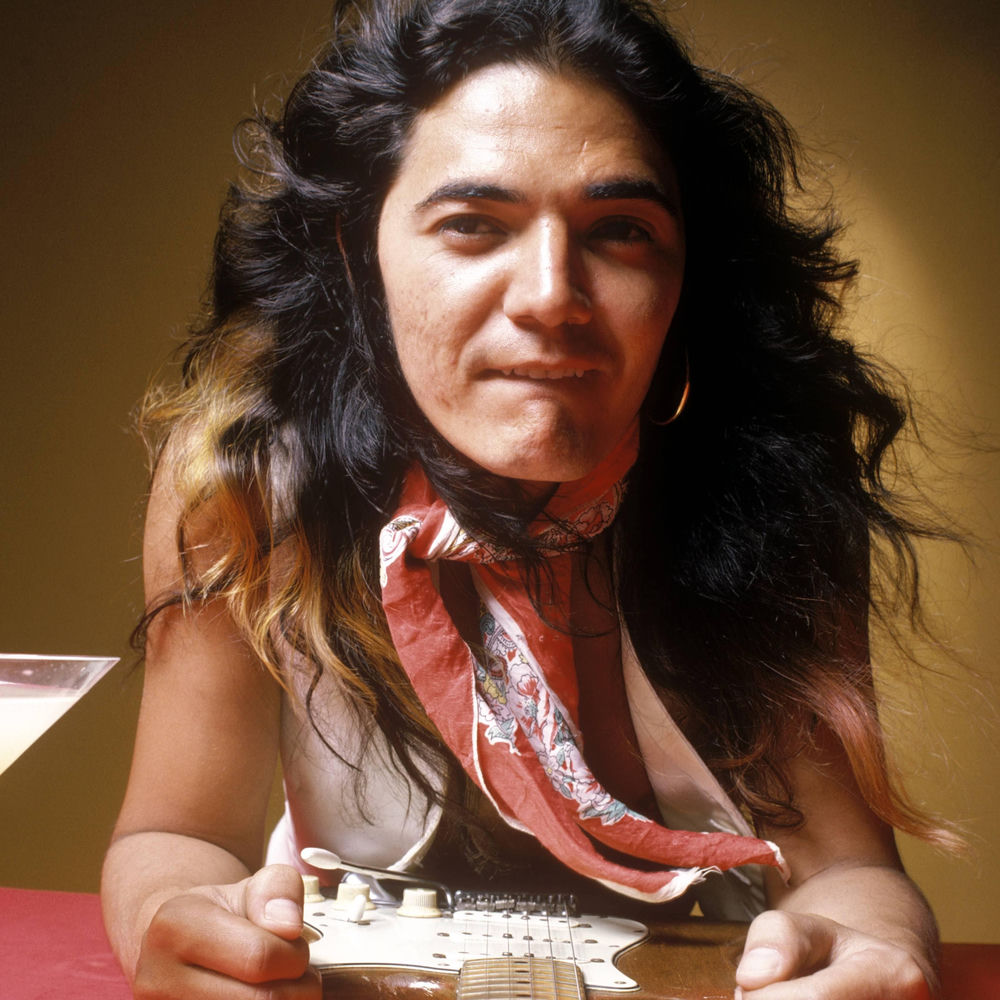
Tommy Bolin: The Virtuoso Guitarist of 1970s Rock
Tommy Bolin was an American guitarist and songwriter whose fiery talent blazed across the 1970s rock scene. Hailing from Sioux City, Iowa, his main achievement was performing on two multi-platinum albums for major bands, Deep Purple and The James Gang, before his untimely death.
Early career
Born in 1951, Bolin began playing guitar as a teenager, quickly developing a reputation for his formidable technique. His professional career started with the psychedelic rock band Zephyr, where his playing on their 1969 self-titled debut and 1971 album Going Back to Colorado first garnered industry attention.
After Zephyr, he contributed to a variety of sessions, including playing the iconic fuzz-guitar solo on Billy Cobham's jazz-fusion landmark Spectrum in 1973. This session work, particularly his fusion playing, showcased his versatility and led to his first major band opportunity.
Breakthrough
Tommy Bolin's breakthrough arrived in 1974 when he replaced Joe Walsh in The James Gang. His sole album with the band, Miami, was released that year on Atlantic Records and featured a more funk-influenced direction.
His true national prominence came in 1975 when he was chosen to replace the departing Ritchie Blackmore in the legendary hard rock act Deep Purple. Bolin's playing and songwriting were featured on their 1975 album Come Taste the Band on Purple Records.
Key tracks
Teaser — The title track from his acclaimed 1975 solo debut showcases his blend of hard rock, funk, and jazz influences.
Post Toastee — This epic from the Teaser album is a fan favorite, highlighting his soulful vocals and extended, melodic soloing.
Gettin' Tighter — Co-written with Glenn Hughes, this Deep Purple track from Come Taste the Band features Bolin's heavy yet groovy riffing.
People, People — From The James Gang's Miami, this song demonstrates his skill at crafting radio-friendly rock with a smooth vocal delivery.
Wild Dogs — A standout from his second solo album Private Eyes, it merges atmospheric rock with sophisticated chord changes.
Following the dissolution of Deep Purple in 1976, Bolin focused on his solo career, releasing his second album Private Eyes on Columbia Records in late 1976. He toured to support the album, but his career was tragically cut short on December 4, 1976, when he died from a drug overdose at the age of 25.
Despite his brief time in the spotlight, Tommy Bolin's influence endures. His work is celebrated by guitar enthusiasts for its emotional depth and technical mastery, which bridged the gap between hard rock, blues, and jazz fusion. Posthumous releases like The Ultimate compilation have kept his music alive for new generations.
Fans of Tommy Bolin's guitar style should also explore Joe Walsh for a similar blend of rock grit and melodic sensibility. Jeff Beck shares his adventurous spirit and fusion explorations. The blues-rock fire of Frank Marino also offers a compelling parallel, while the complex arrangements of Dixie Dregs reflect his jazzier inclinations.
Tommy Bolin's catalog remains a staple on classic rock FM stations and dedicated album-oriented rock channels. His songs with Deep Purple and The James Gang, along with his solo material, are frequently featured on online rock radio streams that celebrate the guitar heroes of the 1970s.
You can hear the powerful music of Tommy Bolin on radio stations featured on our website. Listeners can discover his influential guitar work through the classic rock and deep-cut album tracks played on stations available on onairium.com.