Tommy Mccook
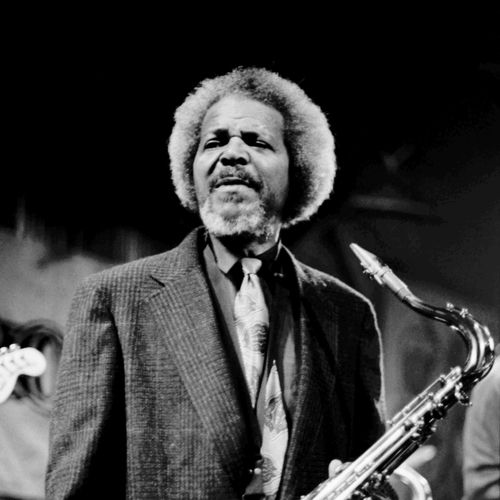
Tommy Mccook: The Founding Father of Jamaican Instrumental Ska
Tommy Mccook was a Jamaican tenor saxophonist and bandleader whose foundational work helped shape the sound of ska, rocksteady, and early reggae. Hailing from Havana, Cuba, but raised in Kingston, Jamaica, his most significant achievement was forming and leading The Supersonics, the house band for Duke Reid's legendary Treasure Isle label, which recorded countless instrumental hits throughout the 1960s.
Early career
Born in 1927, Mccook moved to Kingston as a child and studied clarinet at the renowned Alpha Boys School. He began his professional career in the late 1940s, playing in Jamaican jazz bands and big bands before relocating to the Bahamas and then Nassau for several years. His return to Jamaica in 1962 coincided perfectly with the explosive birth of the indigenous ska sound.
He was immediately recruited by producer Duke Reid to be the musical director and lead saxophonist for The Supersonics. This group became the definitive instrumental engine for Reid's Treasure Isle recordings, providing the crisp, jazzy backing for vocalists and cutting their own seminal instrumentals.
Breakthrough
Tommy Mccook and The Supersonics' breakthrough came swiftly with a string of instrumental hits in the mid-1960s that dominated the Jamaican airwaves. While specific chart data from that era is scarce, their 1964 single "Flash Forward" became an instant classic and a definitive ska anthem, establishing the band's sophisticated, horn-driven sound. Their consistent output for Treasure Isle made them one of the island's most recognizable and influential groups.
The band's prolific work continued as the musical style evolved from ska into the slower, smoother rocksteady rhythm. Mccook's arrangements and saxophone solos were central to this transition, heard on countless foundational recordings for artists like The Techniques, The Melodians, and Phyllis Dillon.
Key tracks
Flash Forward — This 1964 instrumental is a quintessential ska piece, showcasing Mccook's melodic saxophone lead and the tight, energetic sound of The Supersonics.
Second Fiddle — Another major instrumental hit from the ska period, this track highlighted Mccook's ability to craft memorable, singable horn lines that resonated with the public.
Death In The Arena — This later work demonstrated Mccook's adaptability, featuring a heavier, more dramatic rocksteady rhythm and a commanding saxophone performance.
Swing Easy — The title perfectly captures Mccook's jazz-inflected approach to ska, blending complex improvisation with danceable rhythms.
In the early 1970s, Mccook co-founded The Aggrovators, a session band for producer Bunny "Striker" Lee, and later played with The Revolutionaries at Channel One Studios. These groups were pivotal in creating the early reggae and roots rhythms that followed rocksteady. He continued to record and perform internationally throughout the 1980s and 1990s, collaborating with artists like Sugar Minott and appearing on the 1993 album "Ska Bonanza: The Studio One Ska Years."
Fans of Tommy Mccook's jazzy, instrumental approach to Jamaican music also enjoy the work of Roland Alphonso, another Alpha Boys School graduate and ska saxophone pioneer. The crisp trumpet work of Bobby Ellis on countless rocksteady sessions provides a similar brass-led intensity. For the foundational sound of The Supersonics, explore the productions of Duke Reid, the producer who shaped their classic era. The instrumental legacy is also carried on by Skatalites, the legendary group featuring Mccook's contemporaries.
Tommy Mccook's music remains a staple on specialist radio formats celebrating the roots of Jamaican music. His instrumentals are regularly featured on ska and rocksteady radio shows, classic reggae online streams, and stations dedicated to vintage Caribbean sounds, introducing new generations to his sophisticated saxophone melodies.
Listeners can explore the foundational ska and rocksteady sounds of Tommy Mccook by