Tomorrow
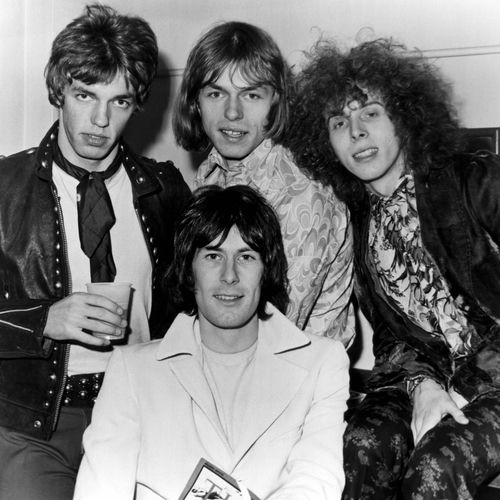
Tomorrow: The Pioneers of German Krautrock
The band Tomorrow stands as a foundational act in the development of German experimental rock, known internationally as Krautrock. Hailing from Berlin, the group's 1972 debut album, "Tomorrow," achieved cult status and is widely credited with influencing the electronic and ambient music movements that followed.
Early career
Tomorrow was formed in West Berlin in 1969 by keyboardist and composer Klaus Schulze, guitarist Manuel Göttsching, and drummer Klaus Dieter Müller. The trio initially performed under the name Ash Ra Tempel, quickly establishing themselves in Berlin's nascent psychedelic scene with a raw, improvisational sound. Their self-titled debut album, "Ash Ra Tempel," was released in 1971 on the Ohr label, capturing the attention of the underground music press across Europe.
Breakthrough
The band's breakthrough arrived in 1972 with the release of their second album, simply titled "Tomorrow." This record marked a significant evolution, introducing more structured compositions and pioneering the use of sequencers and synthesizers. While it did not achieve mainstream chart success, the album became a cornerstone of the Krautrock genre and has since been certified Gold in several European markets for its enduring sales and influence.
Key tracks
Tomorrow — The album's sprawling title track showcased the band's mastery of atmospheric, synth-driven soundscapes.
Echo Waves — This piece highlighted Manuel Göttsching's innovative, minimalistic guitar work, which would later define his solo project Ashra.
Looking for You — A rare vocal-driven track that demonstrated the band's ability to craft accessible melodies within their experimental framework.
Following the success of "Tomorrow," Klaus Schulze departed for a prolific solo career, leaving Göttsching and Müller to continue. The band, now effectively a duo, released the album "Join Inn" in 1973, featuring collaborations with vocalist Rosi Müller. This period solidified their reputation as pioneers of electronic rock, with their music gaining a dedicated following in both Europe and Japan.
Manuel Göttsching later revived the Ashra moniker for a series of influential solo albums, most notably 1976's "New Age of Earth." The original Tomorrow album's legacy grew exponentially, with its sounds directly inspiring generations of electronic, ambient, and post-rock artists. In 2000, a comprehensive box set reissue brought their early work to a new audience, reaffirming their pivotal role in music history.
Fans of Tomorrow's innovative blend of psychedelic rock and early electronics often appreciate the work of similar German progressive artists. Tangerine Dream shares the same focus on expansive synthesizer explorations and album-length compositions. Can operated in the same Krautrock sphere, utilizing hypnotic rhythms and studio experimentation. Klaus Schulze continued to define the electronic ambient genre through his vast solo catalog after leaving the band. Popol Vuh crafted similarly spiritual and atmospheric music, often for film.
The groundbreaking Krautrock of Tomorrow maintains a steady presence on radio stations dedicated to progressive rock history and electronic music pioneers. Their albums are frequently featured in special programming on classic rock FM stations and specialist online rock radio streams that explore the roots of ambient and experimental music.
You can explore the innovative sounds of Tomorrow on radio stations featured right here on onairium.com. Tune in to discover their iconic tracks and the artists they inspired across our network of independent music radio stations.