Tony Williams
Type: Person
 Mauritius
Mauritius
Listen on radio stations:
Tony Williams: The Pioneering Force of Jazz Fusion
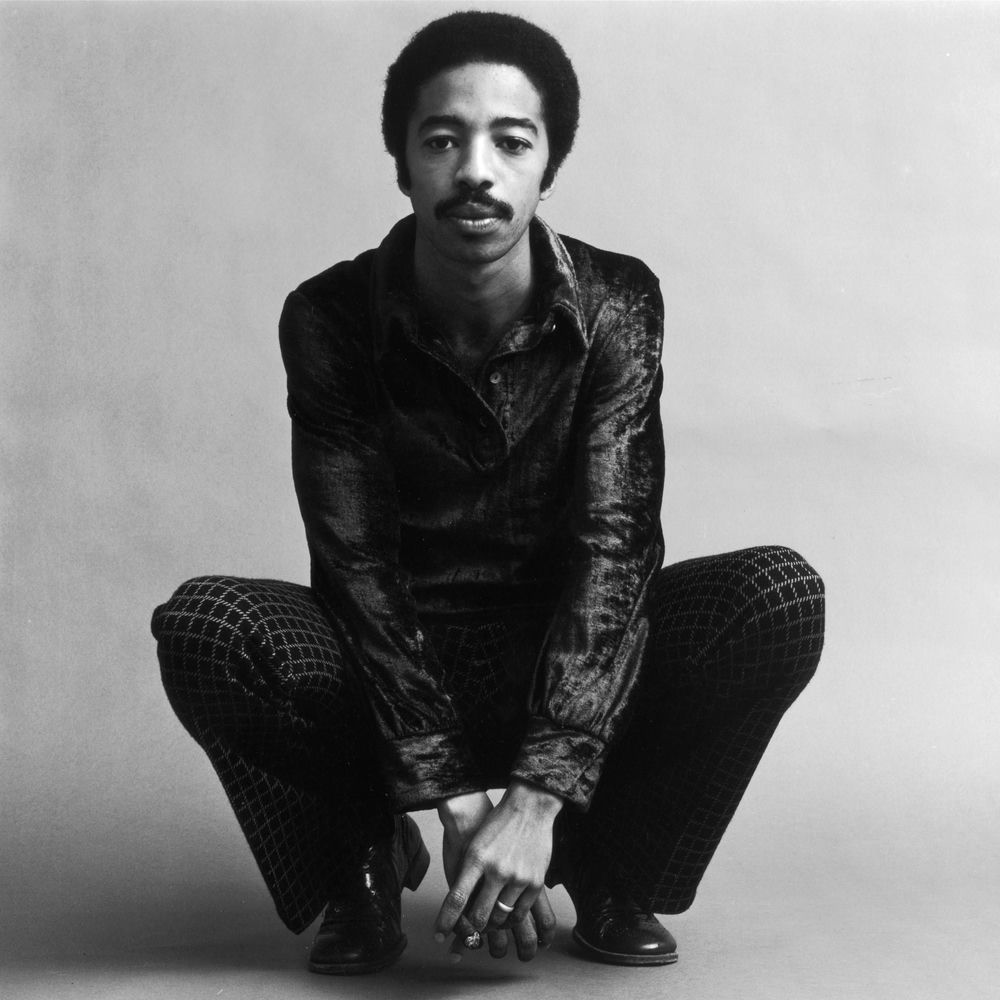
Tony Williams was an American drummer and composer whose revolutionary approach to rhythm and timekeeping fundamentally reshaped modern jazz. Emerging as a teenage prodigy in the 1960s, his work with Miles Davis and his own groundbreaking band, The Tony Williams Lifetime, cemented his legacy as one of the most influential musicians in the genre's history.
Early Career
Born in Chicago in 1945 and raised in Boston, Anthony Tillmon Williams began playing drums as a child. His prodigious talent was evident early, and by the age of 17, he was recruited by saxophonist Jackie McLean, which led to his life-changing introduction to trumpeter Miles Davis in 1963.
Breakthrough
Williams's breakthrough came with his membership in the Miles Davis Quintet from 1963 to 1969, a period often called Davis's "second great quintet." His explosive, polyrhythmic playing provided a new, turbulent foundation for the group's explorations on albums like "E.S.P." (1965) and "Nefertiti" (1967). This era established the young Tony Williams not just as an accompanist, but as a primary creative engine pushing jazz into new territories.
Key Tracks
Seven Steps to Heaven - This 1963 recording was one of Tony Williams's first with Miles Davis, immediately showcasing his precocious mastery and swing at just 17 years old.
Emergency! - The title track from the 1969 debut of The Tony Williams Lifetime, this song was a seismic declaration of jazz fusion, blending intense improvisation with the volume and energy of rock.
Right Off - Featured on Miles Davis's 1971 album "A Tribute to Jack Johnson," this track is driven by Williams's iconic, open drum groove that became a blueprint for jazz-rock.
Proto-Cosmos - A composition from his 1979 album "The Joy of Flying," this piece highlights Williams's complex compositional style and his later work in a more structured fusion context.
After leaving Davis's group, Tony Williams formed The Tony Williams Lifetime in 1969 with organist Larry Young and guitarist John McLaughlin. This band was a foundational pillar of the jazz fusion movement, prioritizing volume, improvisational freedom, and rock intensity. Throughout the 1970s and 1980s, Williams continued to lead various groups, recorded several albums for labels like Blue Note and Polydor, and collaborated with artists including Herbie Hancock, Wynton Marsalis, and Allan Holdsworth. His style evolved from the explosive fusion of Lifetime to a powerful, refined approach that informed both acoustic post-bop and electric jazz contexts until his untimely passing in 1997.
Listeners who appreciate the innovative drive of Tony Williams often explore the work of similar architects of jazz fusion. The guitar-driven intensity of John McLaughlin shares the fearless energy of Williams's Lifetime projects. The keyboard explorations of Herbie Hancock during his electric period run parallel to Williams's own genre-blending ambitions. The complex compositions and powerful rhythms of Weather Report offer another cornerstone of the fusion sound Williams helped create. For a different yet related approach to virtuosic drumming in jazz, the work of Elvin Jones provides essential context for the lineage Williams both inherited and transformed.
The music of drumming legend Tony Williams remains a vital part of the jazz canon, frequently featured on specialist jazz radio stations and online streams dedicated to the genre's rich history. His recordings continue to inspire new generations of musicians and listeners seeking the pioneering spirit of jazz fusion.