Violeta Parra
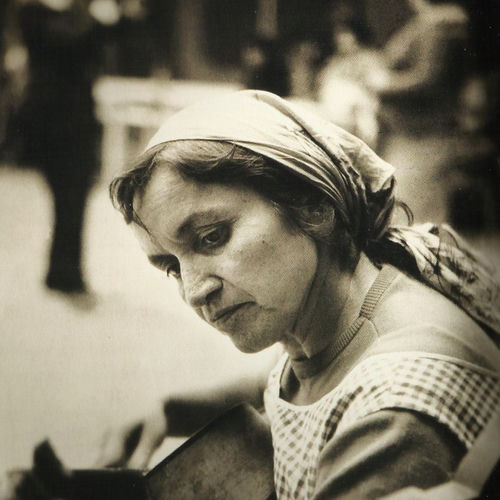
Violeta Parra: The Foundational Voice of Chilean Folk
Violeta Parra was a Chilean composer, folklorist, and visual artist who became the cornerstone of the Nueva Canción Chilena (New Chilean Song) movement. Her profound work in collecting, preserving, and revitalizing the folk music of her country established a new artistic and political standard for Latin American music.
Early career
Born in 1917 in San Carlos, Chile, Violeta Parra began performing with her siblings in the 1930s, singing boleros and folk songs. Her career shifted decisively in the 1950s when she traveled throughout Chile, meticulously recording and transcribing thousands of traditional folk songs, a project that would deeply inform her own original compositions.
Breakthrough
Parra's international recognition grew after she traveled to Europe in the mid-1950s. Her 1956 album El Folklore de Chile, Vol. I, released by the Odeon label in Argentina, presented her authentic research and performance to a wider audience. While formal chart data from this era is scarce, her 1957 performance at the Youth and Student Festival in Warsaw and subsequent recordings for Radio Geneva cemented her status as a formidable cultural ambassador.
Key tracks
Gracias a la Vida — This poignant anthem, written near the end of her life, became her most globally recognized composition, covered by countless artists worldwide.
La Jardinera — A beautiful and melancholic waltz that showcases her skill in weaving traditional folk forms with deeply personal lyricism.
Volver a los 17 — A song of metaphorical and emotional depth that remains a staple in the Latin American songbook for its poetic exploration of memory and love.
Maldigo del Alto Cielo — A powerful example of her socially committed songwriting, directly addressing injustice and hardship with raw, unflinching clarity.
Her later work, including the groundbreaking 1966 album Las Últimas Composiciones, featured these songs and presented a mature, complex artist. This album, released independently, stands as her final and definitive musical statement, containing her most famous works.
Artists exploring Chilean folk and social songwriting include Víctor Jara, a central figure in Nueva Canción who was deeply influenced by Parra's ethnographic work. Inti Illimani continued the tradition of using Andean instruments and folk structures for contemporary expression. Mercedes Sosa, the Argentine singer, became a vital interpreter of Parra's songs, amplifying their message across the continent. Illapu further evolved the Chilean folk sound with a focus on Andean roots and social themes.
Violeta Parra's music maintains a constant presence on specialty radio formats, particularly on stations dedicated to world music, Latin American folk, and protest music traditions. Independent music radio stations and cultural programming frequently feature her recordings, recognizing her timeless influence.
Listeners can explore the enduring legacy of Violeta Parra's Chilean folk music through the dedicated radio stations featured on our website. Tune in via onairium.com to hear her foundational songs and the artists she inspired in regular rotation.