Wadi3 el Safi
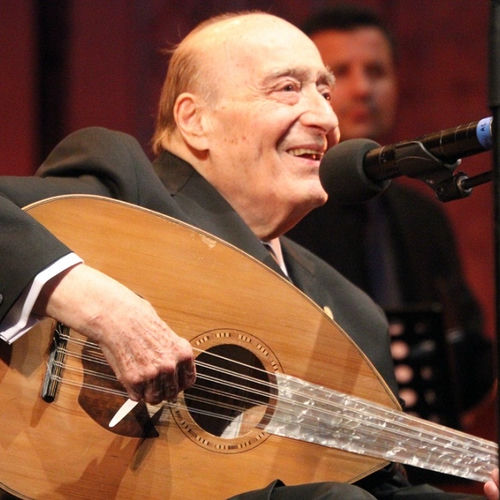
Wadi3 el Safi: The Voice of Lebanese Folk and Tarab
Wadi3 el Safi was a legendary Lebanese singer and composer whose career spanned over six decades, cementing him as a pillar of Arabic music. Hailing from the village of Niha in Lebanon, he is celebrated for revitalizing and popularizing traditional folk music (al-mousiqa al-sha'biya) for a modern audience, selling millions of records across the Arab world.
Early career
Born in 1921, Wadi3 el Safi demonstrated a prodigious musical talent from childhood, singing in church choirs and learning the oud. His professional journey began in earnest in 1938 when, at just 17, he won first prize at a singing competition held by Lebanese Radio, a victory that launched him into the national spotlight and led to his first radio broadcasts.
Breakthrough
The 1950s marked his definitive breakthrough, as he began recording an extensive catalog of songs that would become classics. His powerful, resonant voice and mastery of the Lebanese zajal (improvised poetic singing) captivated audiences, leading to a prolific output on labels like Voice of the Orient and EMI. His albums consistently achieved gold status, though specific certifications from that era are not formally documented.
Key tracks
Ya Ein Mlaytein — This quintessential folk song showcases his emotive delivery and deep connection to Lebanese pastoral life.
Ala Jisr el Dayaa — A dramatic mawwal that highlights his technical prowess and ability to convey profound tarab, or musical ecstasy.
Alla Yenawe — A popular wedding song that became a staple at celebrations, demonstrating his reach into everyday cultural moments.
Rajeh Yitamma el Hawa — This track exemplifies his skill in blending poetic lyrics with memorable, folk-inspired melodies.
Throughout the 1960s and 70s, Wadi3 el Safi's status as a national treasure grew, with performances across the globe and collaborations with major Arab composers like the Rahbani brothers. He released dozens of albums, with later works often reflecting on themes of heritage and homeland, resonating deeply with the Lebanese diaspora.
Artists who share his dedication to Lebanese musical roots include Fairuz, another titan of Lebanese song who frequently collaborated with the same poetic and compositional circles. Sabah shared his prolific output and mastery of a vast repertoire of folk and popular styles. The group The Rahbani Brothers were key collaborators who similarly shaped modern Arabic music theater and song. Finally, Marcel Khleifi continues the tradition of poignant, folk-based musical storytelling from Palestine and the Levant.
Wadi3 el Safi's rich catalog remains a fixture on radio stations dedicated to Arabic classics, from mainstream Middle Eastern FM broadcasters to specialized online streams focusing on tarab and traditional folk music. His voice is a constant presence on stations that curate the essential sounds of the Levant.
Listeners can explore the enduring legacy of Wadi3 el Safi by tuning into the Arabic and folk music radio stations featured on onairium.com, where his timeless tracks continue to captivate new generations of fans.