Wall of Voodoo: Pioneers of American Post-Punk and Darkwave
Wall of Voodoo was an innovative American band that fused synthesizer-driven new wave with Spaghetti Western and post-punk atmospheres. Formed in Los Angeles in 1977, the group achieved its most significant commercial success with the 1982 single "Mexican Radio," which became a staple on the burgeoning MTV network and alternative radio.
Early career
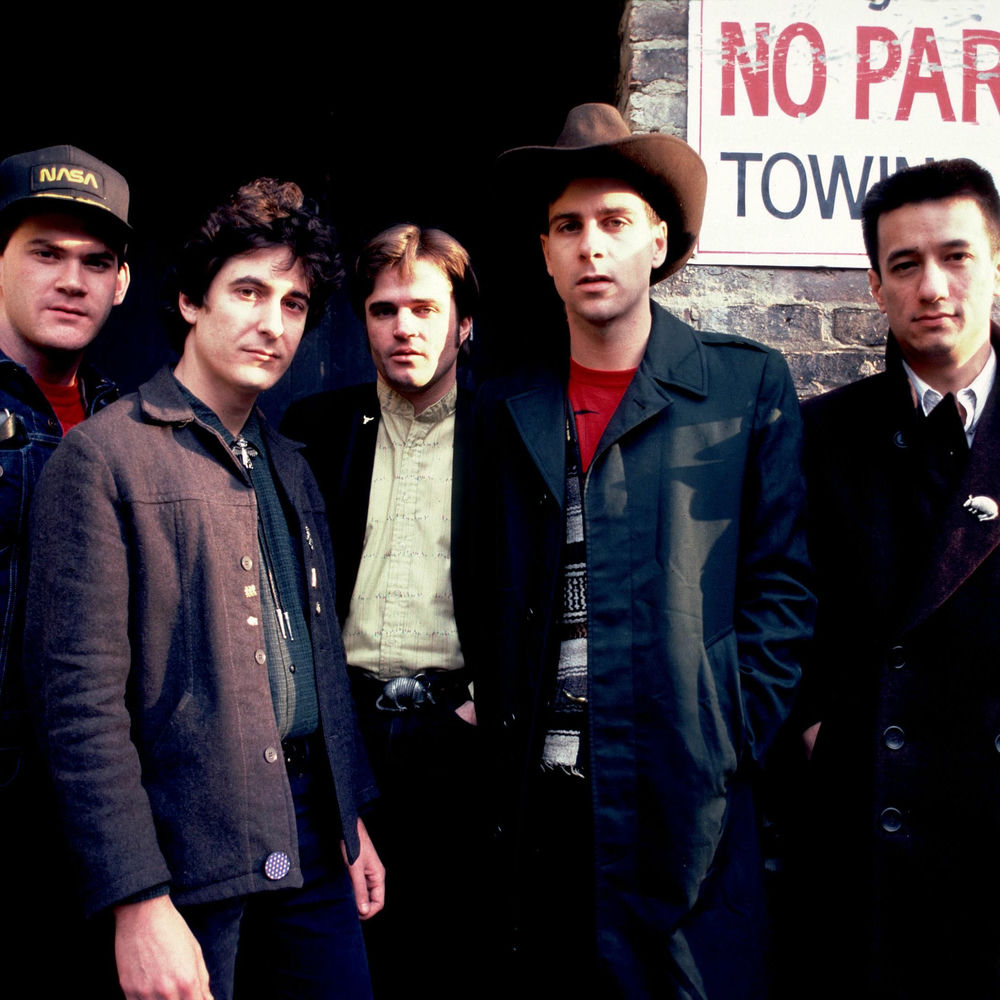
Wall of Voodoo originated as a collective of film school graduates and musicians providing live scores for low-budget movies. Founder Stan Ridgway (vocals, harmonica) was joined by Marc Moreland (guitar), Chas T. Gray (bass, synthesizer), Bruce Moreland (bass), and Joe Nanini (drums). Their self-titled debut EP in 1980 on Index Records showcased their unique, cinematic sound, leading to a contract with the influential I.R.S. Records label.
Breakthrough
The band's commercial breakthrough arrived with their second studio album, Call of the West, released in 1982. The single "Mexican Radio," with its infectious synth riff and Ridgway's deadpan vocal delivery about border radio signals, became an unexpected hit. It reached No. 58 on the Billboard Hot 100 chart and received heavy rotation on MTV, defining the band's quirky, darkly humorous image.
Key tracks
Mexican Radio — This 1982 single is the band's signature song, a surreal travelogue that became their only Billboard Hot 100 entry and a defining MTV video.
Call of the West — The title track from their breakthrough album encapsulates their Spaghetti-Western-meets-synth-punk aesthetic with atmospheric soundscapes.
Lost Weekend — A driving, synth-heavy track from the Dark Continent album that highlights the band's tense, narrative-driven post-punk style.
Far Side of Crazy — This later single from 1985 features Andy Prieboy on vocals and showcases a more polished, radio-friendly rock direction.
Following Stan Ridgway's departure for a solo career in 1983, guitarist Marc Moreland took over as the band's central figure. Andy Prieboy stepped in as the new lead vocalist, steering their sound toward a more mainstream rock approach on the 1985 album Seven Days in Sammystown and the 1987 EP Happy Planet. Despite critical respect, the band never replicated the chart success of "Mexican Radio" and disbanded in 1988 after a final tour.
Wall of Voodoo's legacy is that of a cult act whose distinctive sonic palette influenced the development of darkwave and alternative rock. Their music is frequently featured on classic alternative and post-punk radio stations, where their blend of synthetic textures and cinematic storytelling continues to resonate. For fans of the era's eclectic sounds, similar artists include The Pixies for their off-kilter rock dynamics, Talking Heads for their intellectual art-rock, Oingo Boingo for their quirky new wave energy, and Devo for their conceptual and synthetic approach.
Wall of Voodoo remains in regular rotation on dedicated classic rock FM stations, alternative rock radio stations, and online rock radio streams that celebrate the diverse sounds of the 1980s. Independent music radio stations often program their deeper album cuts, acknowledging the band's influential role in American post-punk.
The music of Wall of Voodoo can be heard on various radio stations featured on our website. Listeners can discover or revisit this unique artist's catalog through the classic alternative and new wave radio stations available on onairium.com.