Walter Wanderley
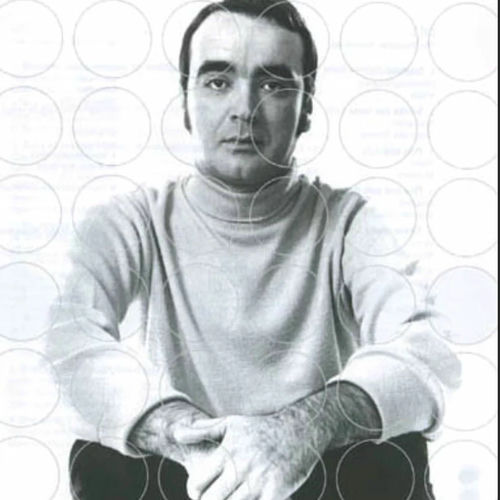
Walter Wanderley: The Bossa Nova Organ Maestro
Walter Wanderley was a Brazilian organist and pianist who became a global ambassador of bossa nova and easy listening music in the 1960s. Hailing from Recife, Brazil, his greatest achievement was the 1966 album Rain Forest, which soared to number one on the Billboard Hot LP's chart, introducing his signature cheesy yet captivating organ sound to American audiences.
Early career
Born in 1932, Wanderley began his professional music career in São Paulo during the 1950s. He quickly became a sought-after session musician and arranger, working with major Brazilian artists like Sylvia Telles and lending his distinctive, percussive Hammond organ style to the burgeoning bossa nova scene.
Breakthrough
Walter Wanderley's international breakthrough came swiftly after he moved to the United States in 1966. His debut U.S. album for Verve Records, Rain Forest, was a surprise smash hit that same year, fueled by the single "Summer Samba (So Nice)". The album's success certified his status as a leading figure in popularizing Brazilian rhythms stateside.
Key tracks
Summer Samba (So Nice) — This single from Rain Forest became a top 40 pop hit and remains his most recognizable song.
Call Me — Wanderley's instrumental bossa nova cover of this pop standard showcased his talent for crafting accessible, melodic arrangements.
Rain Forest — The title track from his landmark album perfectly encapsulates his lush, rhythmic, and instantly identifiable organ style.
Cried, Cried — This track highlights his collaborative work with vocalist Astrud Gilberto, adding a smooth vocal layer to his energetic arrangements.
Following his meteoric rise, Wanderley recorded a prolific series of albums for Verve, A&M, and other labels throughout the late 1960s and 1970s. His collaborations were key, including celebrated work with singer Astrud Gilberto and composer Antonio Carlos Jobim, though he often reinterpreted contemporary pop and film tunes through his unique Brazilian lens. While his chart dominance was brief, his influence on lounge and easy listening music endured.
For fans of Walter Wanderley's breezy Brazilian instrumentals, several artists from his homeland explored similar sonic territories. Sérgio Mendes also achieved massive U.S. success by blending bossa nova with pop. Antonio Carlos Jobim was the foundational composer whose songs Wanderley frequently interpreted. Astrud Gilberto provided the iconic vocal coolness that complemented Wanderley's warm organ on several recordings. João Gilberto represents the purer, guitar-led bossa nova style that Wanderley translated to the Hammond.
The vibrant and timeless sounds of Walter Wanderley maintain a steady presence on radio stations dedicated to classic lounge, bossa nova, and easy listening formats. His music is a staple on sophisticated FM stations and online streams that celebrate the cool instrumental music of the 1960s.
Listeners can explore the captivating bossa nova organ grooves of Walter Wanderley on dedicated radio stations featured right here on onairium.com. Tune in to hear the timeless tracks that made this Brazilian artist a definitive voice of 1960s easy listening.