Warren G, Nate Dogg & The Game
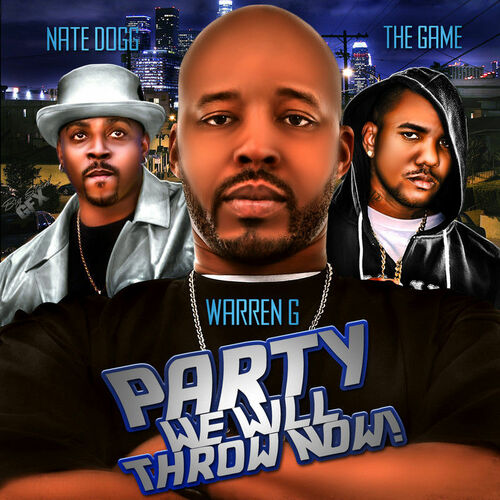
Warren G, Nate Dogg & The Game: West Coast Hip-Hop Power
Warren G, Nate Dogg, and The Game represent a potent lineage of West Coast hip-hop, bridging the G-funk era of the 1990s with the gangsta rap resurgence of the 2000s. Their collaborative work, most notably the 2005 single “Why You Hate The Game,” united three generations of Long Beach and Compton talent, creating a certified anthem that charted on the Billboard Hot 100.
Early career
Warren Griffin III, born in 1970 in Long Beach, California, formed the group 213 with Nate Dogg and Snoop Dogg in the late 1980s. His production on the 1994 classic “Regulate,” a collaboration with Nate Dogg, became a defining G-funk anthem, leading to his multi-platinum debut album Regulate… G Funk Era. Nathaniel “Nate Dogg” Hale, born in 1969, became hip-hop’s premier harmony vocalist, featuring on countless hits after his work with Dr. Dre and Death Row Records.
The Game, born Jayceon Taylor in 1979 in Compton, emerged over a decade later, signing with Dr. Dre’s Aftermath Entertainment in 2003. His debut album, The Documentary, released in 2005, was executive produced by Dr. Dre and 50 Cent and became a critical and commercial smash, debuting at number one on the Billboard 200 and earning double-platinum certification.
Breakthrough
The trio’s formal collaboration arrived at the peak of The Game’s initial fame in 2005. The track “Why You Hate The Game” was featured as the closing song on The Game’s blockbuster debut album, The Documentary. This strategic placement on a major release introduced their combined sound to a massive audience, blending Warren G’s smooth G-funk production with Nate Dogg’s iconic hooks and The Game’s gritty narrative raps.
Key tracks
Regulate — This Warren G and Nate Dogg classic from 1994 is a cornerstone of G-funk, achieving massive commercial success and cultural immortality.
Why You Hate The Game — The 2005 collaboration united the three artists, becoming a standout track on The Game’s multi-platinum debut album The Documentary.
This DJ — Warren G’s 1994 solo hit showcased his signature laid-back production style and solidified his place as a hitmaker outside of Nate Dogg collaborations.
How We Do — The Game’s 2004 hit single with 50 Cent dominated airwaves and established his mainstream chart dominance prior to the trio’s collaboration.
Area Codes — Nate Dogg’s 2001 hit with Ludacris demonstrated his unparalleled ability to elevate any track with his smooth, melodic hooks.
While a full collaborative album never materialized, their singular track together remains a high point, symbolizing a passing of the torch within West Coast hip-hop. Warren G and Nate Dogg continued their prolific featuring work, while The Game maintained a successful solo career with numerous chart-topping albums on labels like Geffen and Blood Money Entertainment.
The layered G-funk sound pioneered by these artists can be heard in the work of Snoop Dogg, Warren G’s childhood friend and frequent collaborator who shares the same smooth vocal delivery. The narrative-driven gangsta rap of The Game finds a parallel in 50 Cent, his former mentor on the East Coast who also mastered street tales with massive pop appeal. For the melodic singing style that Nate Dogg perfected, listen to Kurupt, another Death Row Records alum known for his versatile flow and harmonic contributions. The legacy of their West Coast sound also continues through artists like Kendrick Lamar, who incorporates complex storytelling over funk-infused production.The music of Warren G, Nate Dogg, and The Game remains a staple on hip-hop and classic rap radio stations, particularly those celebrating West Coast sounds. Their hits are regularly featured in programming blocks dedicated to 90s G-funk and 2000s rap anthems across various online radio streams.
You can hear the iconic tracks from Warren G, Nate Dogg, and The Game on dedicated hip-hop stations featured on our website. Explore the radio stations available on onairium.com to discover their influential contributions to the West Coast hip-hop genre.