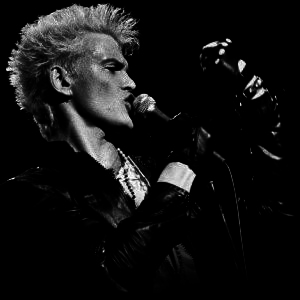
Wendy O. Williams

Wendy O. Williams: The Shock-Rock Punk Provocateur
Wendy O. Williams was an American singer and performance artist who fronted the influential punk-metal band The Plasmatics. Hailing from Rochester, New York, she became a notorious figure in the late 1970s and early 80s for her extreme stage antics and confrontational music. Her band's 1980 debut album, "New Hope for the Wretched," broke barriers and courted controversy, cementing her status as a fearless pioneer of shock rock.
Early career
Born in 1949, Wendy O. Williams moved to New York City in the mid-1970s, where she met artist and manager Rod Swenson. Together, they formed The Plasmatics in 1977, conceptualizing the band as a radical blend of punk rock and destructive performance art. The band's early independent singles and legendary live shows, which featured Williams chainsawing guitars and blowing up cars, quickly made them a sensation on the burgeoning NYC punk scene.
Breakthrough
The Plasmatics' major label debut, 1980's "New Hope for the Wretched" on Stiff Records, was their commercial and notoriety breakthrough. The album's cover, featuring Williams with a mohawk and strategically placed electrical tape, was banned in many stores, fueling its cult success. While never achieving mainstream chart positions, the album and its 1981 follow-up, "Beyond the Valley of 1984," sold consistently based on infamy and relentless touring, earning a certified cult classic status.
Key tracks
Monkey Suit — This early single encapsulated the band's raw, anarchic punk sound and anti-establishment lyrical stance.
Butcher Baby — The live performance of this song, featuring Williams attacking a television with a sledgehammer, became their iconic calling card.
Masterplan — A track showcasing a shift towards more structured heavy metal, it highlighted Williams' powerful and unique vocal delivery.
Fuck 'n' Roll — The controversial title track from her 1984 solo EP that perfectly summarized her defiant, in-your-face philosophy.
It's My Life — Her 1984 solo single, produced by Gene Simmons of KISS, which surprisingly garnered some MTV rotation and mainstream rock radio play.
Williams pursued a solo career, releasing the Gene Simmons-produced "W.O.W." album in 1984, which earned her a Grammy nomination for Best Female Rock Vocal Performance. Despite this recognition and collaborations with musicians like Lemmy from Motörhead, she increasingly clashed with censorship groups. The Plasmatics disbanded in the mid-80s, though Williams remained an enduring symbol of punk rebellion.
Similar artists from the same explosive era of American punk and metal include The Dead Kennedys for their shared confrontational political and social commentary. The theatrical aggression is also found in Suicidal Tendencies who blended punk attitude with thrash metal. For a different take on powerful female-fronted punk, listeners explore The Runaways who paved the way for women in hard rock. The genre-blurring intensity is echoed in Bad Brains with their revolutionary mix of hardcore punk and reggae.
Wendy O. Williams' music maintains a steady rotation on dedicated classic rock FM stations, specialty punk and metal radio shows, and various online rock radio streams. Her anthems are staples on channels celebrating the rebellious spirit and raw energy of the late 70s and early 80s alternative scene.
The defiant music of Wendy O. Williams and The Plasmatics continues to be featured on rock radio stations available through our website. Listeners can discover the enduring power of this shock-rock pioneer by tuning into the independent music radio stations featured on onairium.com.