Wendy Rene
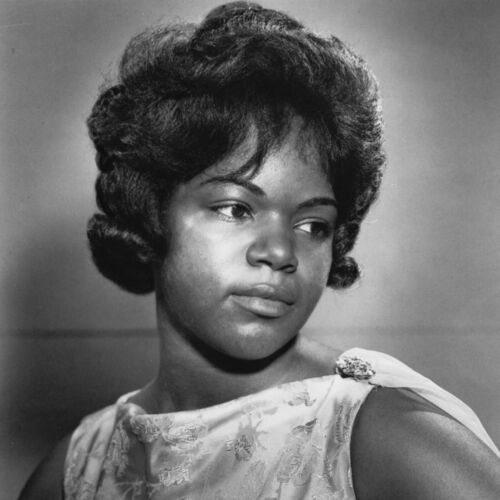
Wendy Rene: The Soulful Voice of Stax
Wendy Rene was an American soul singer and songwriter from Memphis, Tennessee, best known for her haunting 1964 single "After Laughter (Comes Tears)." Her brief but impactful career at Stax Records left a lasting legacy, with her music later finding a new audience through sampling by prominent hip-hop artists.
Early career
Born Mary Frierson in 1947, she began singing in church in Memphis. She first entered the music scene as part of the girl group The Drapels, which led to her discovery by Stax Records co-owner and A&R man Jim Stewart in the early 1960s.
He signed her to the label and gave her the stage name Wendy Rene. Her early recordings for the Volt subsidiary, including the 1964 single "After Laughter (Comes Tears)," showcased her distinctive, emotive voice set against the raw, gritty backdrop of the Stax house band.
Breakthrough
While not a major chart hit upon its original release, "After Laughter (Comes Tears)" became her signature song and the cornerstone of her legacy. The single, backed with "Bar-B-Q," was released on Volt Records in 1964 and perfectly encapsulated the melancholic soul style of the Memphis sound.
Her career at Stax was short-lived, as she chose to retire from music to focus on family after marrying Stax musician John "Key Boy" Alexander and following the birth of their child. She recorded only a handful of singles, which were later compiled on the album "After Laughter Comes Tears: Stax Solo Recordings."
Key tracks
After Laughter (Comes Tears) — This haunting soul ballad is her definitive recording, famously sampled by the Wu-Tang Clan and Tyler, The Creator.
Bar-B-Q — The upbeat B-side to her breakthrough single, offering a contrast with its more playful, dance-oriented rhythm and blues feel.
Give You What I Got — A powerful later recording that further demonstrates her vocal prowess and emotional delivery within the Stax framework.
I'm Gonna Leave You — Another strong example of her solo work, featuring the classic Stax horn section and a deeply felt performance.
Her music experienced a significant revival decades later when the Wu-Tang Clan's RZA sampled "After Laughter (Comes Tears)" for their 1993 track "Tearz." This introduced her sound to a new generation, leading to further samples by artists like Tyler, The Creator on his song "She." These discoveries prompted a renewed interest in her small but potent catalog, culminating in the 2009 compilation of her complete Stax work.
Artists with a similar foundational role in Southern soul and the Stax sound include Carla Thomas, who was another pioneering female voice on the label. Otis Redding shared the same gritty, emotionally direct studio environment at Stax. William Bell exemplifies the songwriting and vocal tradition of Memphis soul where Wendy Rene briefly shone. The Astors represent the group dynamic of the era, though Wendy Rene's work stands as a solo endeavor.
Wendy Rene's soul recordings are a staple on dedicated classic soul and rhythm and blues radio stations, particularly those focusing on the 1960s era and the iconic Stax catalog. Her tracks are featured on specialty shows and online radio streams that celebrate the history of American soul music, ensuring her voice continues to reach passionate listeners.
Listeners can explore the timeless soul of Wendy Rene by tuning into the classic R&B and vintage soul radio stations available on onairium.com, where her poignant music remains an essential part of the musical landscape.