West Coast Pop Art Experimental Band
West Coast Pop Art Experimental Band: Psychedelic Rock Pioneers
The West Coast Pop Art Experimental Band was a visionary and enigmatic American psychedelic rock group active in the late 1960s. Hailing from Los Angeles, California, the band is best known for their ambitious and often surreal studio albums, which have earned them a lasting cult following among collectors of psychedelic music.
Early career
The band's origins trace back to 1965, formed around the core of brothers Shaun and Danny Harris and guitarist Michael Lloyd. Their unique name and artistic ambitions caught the attention of producer Bob Markley, a wealthy heir who became their manager, lyricist, and occasional vocalist. This unusual partnership led to their first major-label album, "Part One," released on Reprise Records in 1966, which established their eclectic and experimental sound.
Breakthrough
The group's creative and commercial peak arrived with their 1967 album "A Child's Guide to Good and Evil," released on Reprise. While it did not achieve mainstream chart success, the album is widely regarded as their masterpiece, a dense and dark psychedelic statement that captured the turbulent spirit of the era. Its complex production and philosophical lyrics cemented their reputation as true underground innovators.
Key tracks
Help, I'm a Rock — This opening track from their debut is a quintessential slice of early L.A. psychedelia, featuring chaotic sound collages and surreal lyrics.
Smell of Incense — A standout from "Part One," this song is a beautifully arranged psychedelic pop tune that became a minor regional hit and a fan favorite.
Eighteen Is Over the Hill — From "A Child's Guide to Good and Evil," this track showcases the band's darker, more baroque side with its somber melody and social commentary.
Here's Where You Belong — Another key cut from their 1967 album, it exemplifies their sophisticated use of studio effects and layered vocal harmonies.
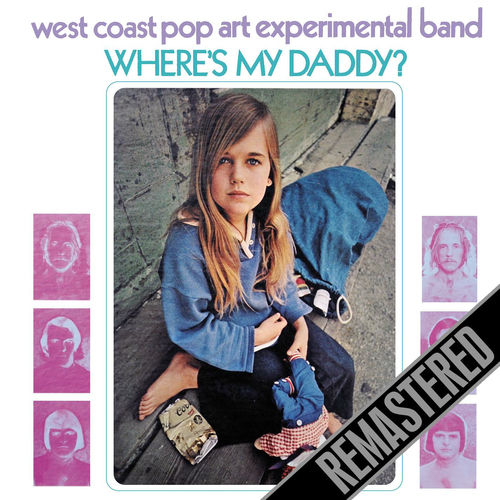
The band continued to record with a shifting lineup, releasing further albums like "Where's My Daddy?" in 1969 before internal tensions and changing musical trends led to their dissolution by 1970. Their recorded output, though limited, remains a fascinating document of psychedelic rock's most adventurous frontiers.
Fans of the West Coast Pop Art Experimental Band's brand of intricate, studio-crafted psychedelia should explore similar artists. The United States Of America shared their avant-garde approach to rock music and electronic experimentation. Love was another groundbreaking Los Angeles group known for their sophisticated and eclectic albums. The Millennium crafted similarly lush, harmony-rich psychedelic pop in the same L.A. studio scene. The West Coast Pop Art Experimental Band themselves offer a deep dive into the genre's more obscure corners.
The music of the West Coast Pop Art Experimental Band maintains a steady presence on specialty radio formats. Their songs are regularly featured on classic rock FM stations with dedicated psychedelic hours, alternative rock radio stations exploring music history, and various online rock radio streams focused on 1960s counterculture.
You can hear the pioneering psychedelic rock of the West Coast Pop Art Experimental Band on radio stations featured across our network. Discover their unique sound by tuning into the classic rock and independent music radio stations available right here on onairium.com.