William Pitt
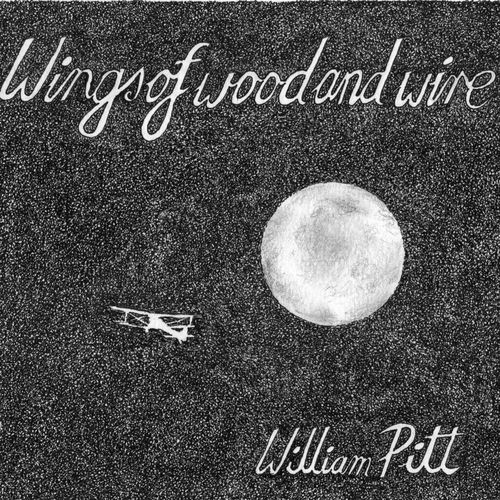
William Pitt: The Synth-Pop Virtuoso of 1980s Germany
William Pitt is the stage name of German musician and composer Wolfgang Mürmann, a key figure in the European synth-pop scene of the early 1980s. Hailing from Cologne, his major achievement was the international chart success of his 1982 single "City of Night," which became a defining track of the era and propelled his album "The William Pitt Rock Show" to significant sales across Europe.
Early career
Born in 1948 in Cologne, Wolfgang Mürmann began his musical journey in the late 1960s, initially playing in various rock and jazz bands. His pivot to electronic music came after witnessing the rise of Kraftwerk, leading him to adopt the moniker William Pitt and focus on synthesizer-driven compositions, culminating in his self-titled debut album in 1981.
Breakthrough
The breakthrough arrived in 1982 with the release of his sophomore album, "The William Pitt Rock Show," on the German label WEA. Its lead single, "City of Night," became an instant hit, climbing into the Top 10 in Germany and several other European countries, achieving gold status and establishing Pitt as a new force in synth-pop.
Key tracks
City of Night — This atmospheric single was his commercial peak, defining the melancholic yet danceable sound of European synth-pop.
Feuer — A driving, energetic track from his debut that became a fan favorite and a staple of his live performances.
Der Clown — Showcasing his narrative songwriting, this song highlighted Pitt's ability to blend pop structures with darker, theatrical themes.
Das Boot ist voll — A later, politically-charged single that demonstrated his continued relevance in addressing social issues through music.
Following this success, William Pitt continued to release albums throughout the 1980s, including "Bomben auf Engelland" and "Einsame Wölfe," maintaining a loyal fanbase. His work is characterized by its melodic synthesizer lines, dramatic vocals, and often introspective or socially critical lyrics, setting him apart from more purely commercial acts of the period.
Fans of William Pitt's brand of melodic, Germanic synth-pop should also explore the work of similar artists. Grauzone shares a similar cold, minimalist aesthetic and post-punk sensibility. Peter Schilling operated in the same era with major synth-pop hits grounded in science-fiction themes. And One carries the torch for later generations with their energetic and club-oriented electronic music. De/Vision continues the tradition of emotive, song-focused German synth-pop into the modern era.
The music of William Pitt remains a fixture on specialized radio formats, particularly on classic synth-pop and 80s revival stations. His tracks are regularly featured on online radio streams dedicated to electronic music history and alternative rock radio stations with a focus on nostalgic, genre-defining hits from the decade.
Listeners can discover the iconic synth-pop of William Pitt on radio stations featured on our website. Tune in to stations available on onairium.com to hear classic hits like "City of Night" and explore the depth of his influential catalog.