
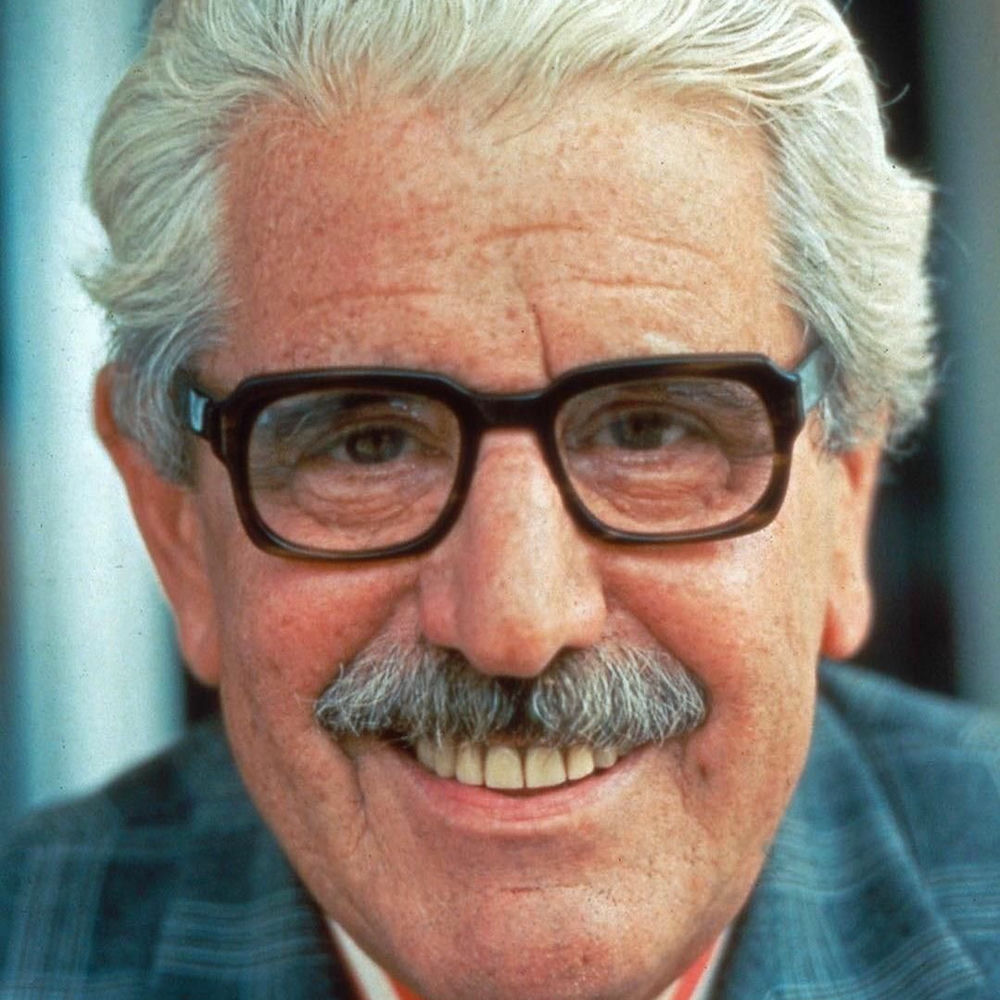
Willy Millowitsch
 Germany
Listen Willy Millowitsch on radio stations:
Willy Millowitsch: The Voice of Cologne's Carnival
Willy Millowitsch was a beloved German actor and singer whose musical legacy is inextricably linked to the Cologne Carnival and regional folk music. Hailing from Cologne, Germany, he achieved remarkable success with his 1974 single "Mer losse d'r Dom en Kölle," which sold over a million copies and became an enduring regional anthem.
Early career
Born in 1909 into the famous Millowitsch theatrical family, Willy grew up in the heart of Cologne's cultural scene. His early career was dedicated entirely to acting, taking over the family's Volkstheater in 1938, with music initially serving as a secondary element within his comedic stage performances.
It was not until the early 1970s, well into his sixth decade, that he formally entered the music recording industry. His deep, charismatic voice and immense local popularity made him a natural fit for recording Carnival songs, leading to his first singles for the local label EMI Electrola.
Breakthrough
The year 1974 marked Willy Millowitsch's seismic breakthrough in music. He recorded "Mer losse d'r Dom en Kölle" ("We'll Keep the Cathedral in Cologne"), a song protesting a proposed modern art installation near the Cologne Cathedral.
Released on EMI, the single resonated powerfully, selling over 1.25 million copies and earning a platinum certification. It spent an astonishing 32 weeks on the German singles chart, peaking at number 5, and became the definitive soundtrack of Cologne's cultural identity.
Key tracks
Mer losse d'r Dom en Kölle — This 1974 platinum-selling anthem is his signature song and a cultural landmark for the city of Cologne.
Wir sind alle kleine Sünderlein — A classic Carnival tune that showcased his playful delivery and cemented his status as a festival favorite.
Das Alte Perückenmacherlied — This track highlighted his theatrical roots, blending narrative song with his distinctive vocal character.
Et jitt kei Wood — Another popular Carnival hit that demonstrated his mastery of the local Kölsch dialect and humor.
Following this unprecedented success, Millowitsch continued to release albums and singles throughout the 1970s and 80s, consistently focusing on Carnival and folk material. His collaborations were primarily with established Cologne-based composers and Carnival bands, reinforcing his deep local ties rather than seeking national pop crossovers.
His albums, such as "Wir sind alle kleine Sünderlein," regularly charted in Germany, proving the lasting commercial power of his niche. Millowitsch passed away in 1999, but his music remains a mandatory feature every Carnival season, with his records still selling in the region.
Fans of Willy Millowitsch's brand of German folk and Carnival music often enjoy the work of similar regional artists. Höhner is another Cologne-based band that mixes pop with Carnival songs in the Kölsch dialect. Bläck Fööss also represent Cologne's musical culture with their folk-rock style and local themes. Die Prinzen share a similar clever, vocal-driven approach to German-language music, though with a more national satirical focus.
Willy Millowitsch's classic hits maintain heavy rotation on German radio, particularly on regional FM stations during the Carnival season and on dedicated folk music channels. His anthems are staples on online radio streams that celebrate German cultural heritage and seasonal festivities, ensuring his voice reaches new generations of listeners every year.
The timeless Carnival anthems and folk songs of Willy Millowitsch can be heard on radio stations featured here. Listeners can discover his iconic catalog through the various German folk and regional music radio stations available on onairium.com.
