Wings
Wings: The Arena Rock Band of the 1970s
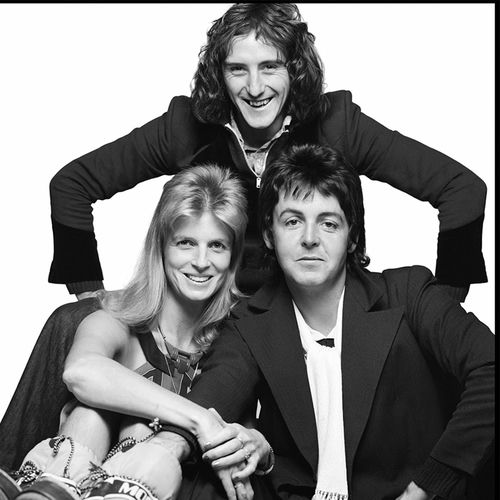
Wings was the commercially dominant band formed by Paul McCartney after the dissolution of The Beatles. Hailing from the United Kingdom, the group achieved massive global success, scoring nine number one singles in the US and UK and selling tens of millions of albums throughout the decade.
Early career
Paul McCartney formed Wings in 1971 with his wife Linda McCartney on keyboards and former Moody Blues guitarist Denny Laine. The band's fluid early lineup was established to provide a collaborative, touring vehicle for McCartney's post-Beatles work, deliberately moving away from the studio-centric approach of his former group.
Their debut album, 1971's Wild Life, received mixed reviews but established their raw, band-oriented sound. The following year, the addition of guitarist Henry McCullough and drummer Denny Seiwell solidified the classic Wings lineup ahead of their first major tour.
Breakthrough
The band's commercial breakthrough arrived in 1973 with the album Band on the Run, released on Apple Records. Recorded in Lagos, Nigeria under difficult circumstances, the album topped charts worldwide, eventually selling over 7 million copies and earning triple-platinum certification in the US.
It spawned three major hit singles and won a Grammy Award, firmly re-establishing McCartney as a premier hitmaker and transforming Wings into a global superstar act.
Key tracks
Band on the Run — The epic title track from their landmark album became an instant classic and a staple of album-oriented rock radio.
Live and Let Die — This explosive James Bond theme song, recorded just before the Band on the Run sessions, earned Wings an Oscar nomination and became a concert centerpiece.
Jet — A powerful and melodic rock single that showcased the band's tight, energetic sound and became a top 10 hit on both sides of the Atlantic.
Maybe I'm Amazed — Though originally a McCartney solo track, Wings' live versions, particularly on 1976's Wings Over America, cemented its status as a towering rock ballad.
Silly Love Songs — This 1976 disco-influenced hit spent five weeks at number one on the Billboard Hot 100, directly answering McCartney's critics with immense commercial success.
The mid-1970s saw Wings at its peak popularity, with albums like Venus and Mars (1975) and Wings at the Speed of Sound (1976) topping charts. Their massive Wings Over the World tour was documented in a successful live triple album and concert film, proving their immense drawing power.
Their final major hit was 1977's "Mull of Kintyre," a folk-inspired ballad that became the UK's best-selling single of all time at that point. Wings disbanded in 1981 following the release of their final album, McCartney II, which was largely a solo project.
Fans of Wings' melodic, accessible rock style should also explore the work of Electric Light Orchestra. Jeff Lynne's group shared a similar gift for sophisticated pop-rock arrangements and massive hooks. The arena-ready anthems of Fleetwood Mac from their Rumours era also parallel Wings' blend of personal songwriting and broad appeal. For another 70s supergroup born from a legendary band's split, listen to Badfinger, who crafted power-pop gems with clear Beatles influences. The enduring melodic rock of The Doobie Brothers also captures a similar blend of rock, pop, and soul from the same era.
The music of Wings remains a permanent fixture on classic rock FM stations and album-oriented rock radio streams. Their string of number one hits and beloved deep cuts ensure consistent airplay across multiple generations of rock radio formats.
Listeners can discover the full catalog of Wings' hits and classic album tracks on the classic rock and retrospective radio stations featured on onairium.com, where their music continues to be celebrated daily.