
Wynonie Harris: The Boisterous King of Jump Blues
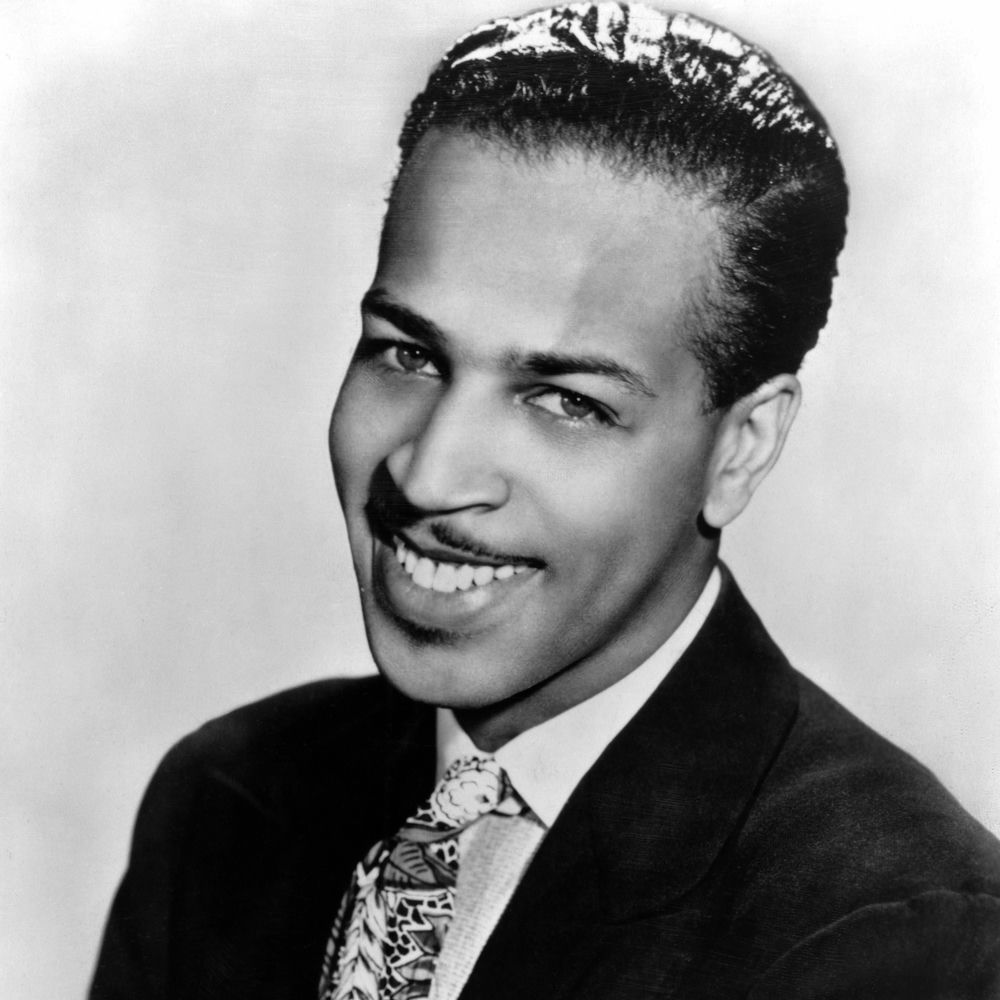
Wynonie Harris was a foundational American rhythm and blues singer whose powerful, shouting vocals and raucous stage presence made him a central figure in the transition from big band jazz to rock and roll. Hailing from Omaha, Nebraska, his 1948 hit "Good Rockin' Tonight" became a landmark record, topping the Billboard R&B chart for weeks and directly influencing a generation of rock pioneers.
Early career
Born in 1915, Harris began his career not as a singer but as a dancer in Omaha's vibrant nightclub scene. He transitioned to singing in the late 1930s, touring with bands like Lucky Millinder's orchestra, where he recorded his first sides, including "Who Threw the Whiskey in the Well," for the Apollo label in 1945.
Breakthrough
Harris's true breakthrough came after signing with King Records in 1947. His 1948 recording of Roy Brown's "Good Rockin' Tonight" was a seismic event, spending 25 weeks on the Billboard R&B chart and peaking at number one. This record, with its driving beat and unambiguous lyrics, became a blueprint for the rock and roll explosion that followed.
Key tracks
Good Rockin' Tonight — This 1948 chart-topper is arguably his most important record, defining the energetic jump blues sound that would evolve into rock and roll.
All She Wants to Do Is Rock — Another massive R&B hit from 1949, this track further cemented his reputation for delivering playful, risqué lyrics over a rocking beat.
Bloodshot Eyes — His second number one R&B hit in 1951 showcased his talent for humorous, story-driven blues with a wide appeal.
Lovin' Machine — A 1952 release that typifies his later, more straightforward blues output for King Records, maintaining his signature bravado.
Throughout the early 1950s, Harris scored a consistent string of R&B hits for King, including "I Like My Baby's Pudding" and "Wasn't That Good." His style, however, faced challenges as musical tastes shifted toward smoother vocal groups and the harder-edged sounds of new rock and roll acts he helped inspire. He recorded for various labels into the 1960s but never replicated his earlier commercial dominance.
Similar artists who shaped the rhythm and blues landscape include Big Joe Turner. Like Harris, Turner was a powerful blues shouter whose music bridged the gap between blues and early rock. Louis Jordan pioneered the jump blues style with his Tympany Five, providing a direct musical template for Harris's biggest hits. Roy Brown originally wrote and recorded "Good Rockin' Tonight" and was a key vocal influence in the same blues shouting tradition. Jimmy Rushing, known for his work with Count Basie, exemplifies the big band blues shouting style from which Harris emerged.Wynonie Harris's music remains a staple on dedicated blues radio stations, classic rock formats exploring roots music, and online radio streams focused on the origins of rock and roll. His recordings are regularly featured in programming blocks highlighting the pivotal jump blues era of the late 1940s and early 1950s.
Listeners can explore the influential sound of Wynonie Harris by tuning into the classic blues and roots rock stations featured on our website. His essential jump blues hits are regularly in rotation on the radio stations available on onairium.com.