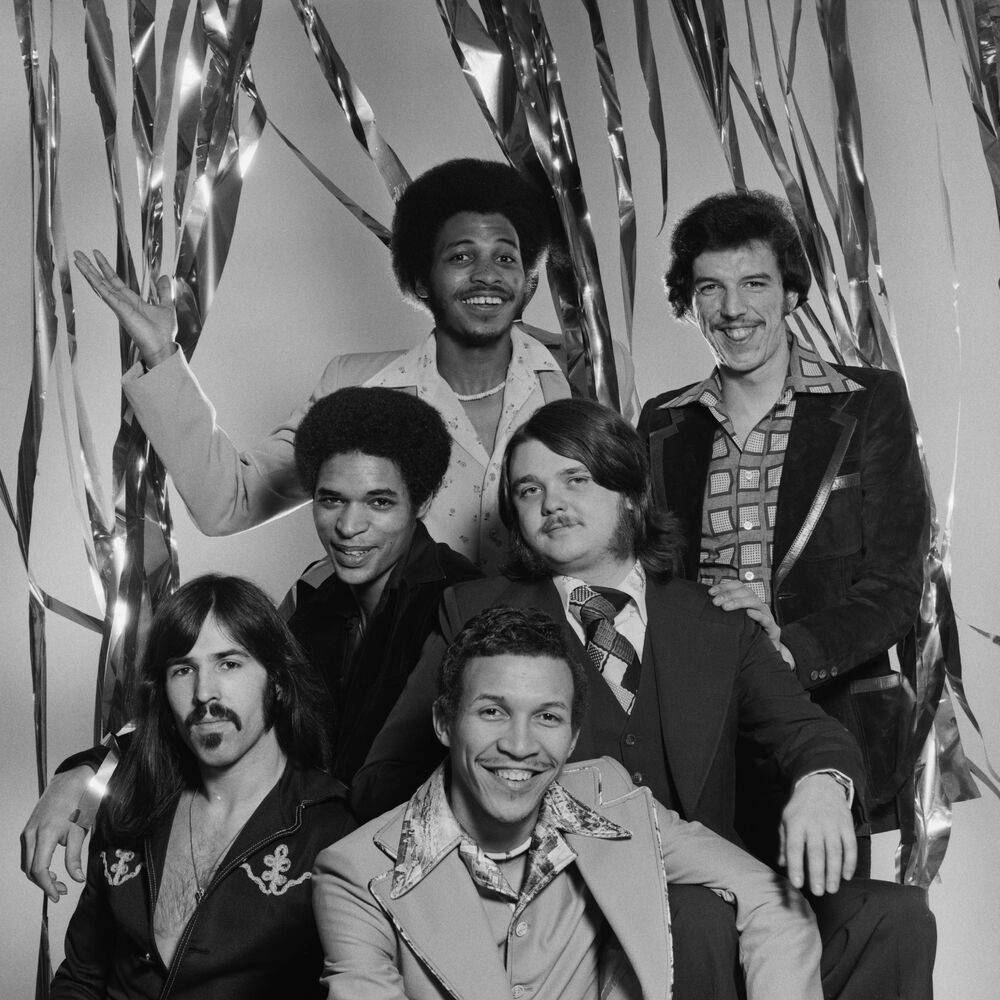
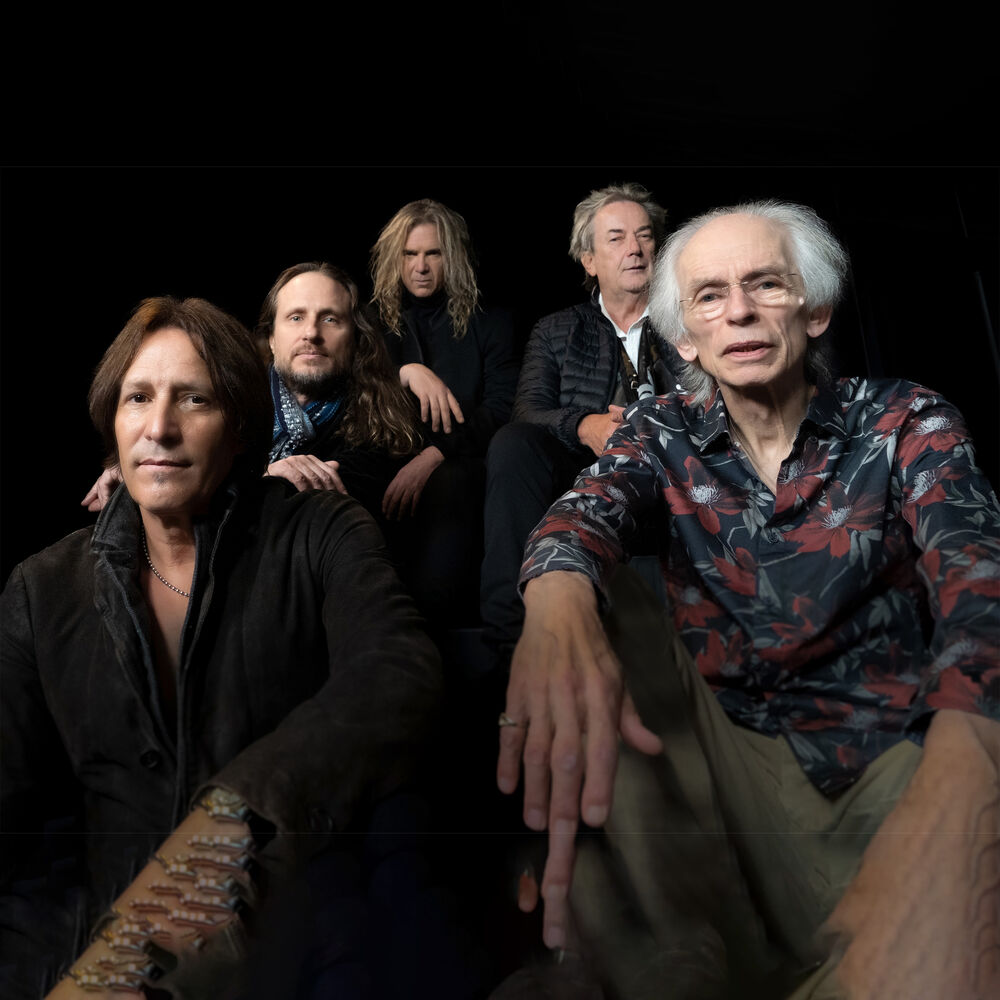
Yes
 United Kingdom
Listen Yes on radio stations:





Yes: Pioneers of Progressive Rock
Yes is a British progressive rock band formed in London in 1968, renowned for their complex compositions, virtuosic musicianship, and ambitious concept albums. The group achieved major commercial success in the 1970s, with albums like Fragile and Close to the Edge becoming defining works of the genre and earning multi-platinum certifications.
Early career
Founded by singer Jon Anderson and bassist Chris Squire, Yes coalesced in London with guitarist Peter Banks, keyboardist Tony Kaye, and drummer Bill Bruford. Their self-titled debut album in 1969 on Atlantic Records showcased a blend of psychedelic and art rock, but it was with 1970's Time and a Word that they began to expand their symphonic rock sound.
Breakthrough
The band's breakthrough arrived in 1971 with the album Fragile, their first to feature keyboardist Rick Wakeman. The record peaked at number 4 on the UK Albums Chart and number 7 on the Billboard 200 in the US, driven by the success of the single Roundabout. This period solidified Yes as a leading force in progressive rock, known for extended suites and elaborate stage productions.
Key tracks
Roundabout - This concise yet intricate single from Fragile became the band's first major US hit, introducing their sound to a wider audience.
Close to the Edge - The title track of their 1972 album is an 18-minute epic that represents the pinnacle of their progressive rock ambition.
Starship Trooper - A fan favorite from 1971's The Yes Album, it highlights the band's trademark multi-part song structures and harmonic vocals.
Owner of a Lonely Heart - Their 1983 single from the album 90125 marked a drastic shift towards synth-pop and rock, becoming their only US number-one hit.
I've Seen All Good People - A popular track from The Yes Album that combines folk-rock melodies with progressive rock complexity.
The band's classic lineup fragmented in the late 1970s, but a dramatic reinvention came in 1983 with the album 90125, produced by Trevor Horn. Featuring guitarist Trevor Rabin, this incarnation embraced a sleek, radio-friendly rock sound. Yes was inducted into the Rock and Roll Hall of Fame in 2017, a testament to their enduring influence across multiple phases of a career spanning over five decades, marked by frequent lineup changes but a consistent pursuit of musical exploration.
Fans of Yes often appreciate the intricate work of Genesis, who similarly blended complex compositions with accessible melodies. The symphonic scope of Emerson, Lake & Palmer shares a parallel ambition in progressive rock. The art-rock tendencies of King Crimson, another foundational British group, offer a more experimental counterpoint. Later, the arena-ready progressive rock of Rush carried forward a similar ethos of technical proficiency and conceptual depth.