

Yusuf Islam: The Folk Rock Storyteller
Yusuf Islam, known globally for his profound work both as Cat Stevens and under his current name, is a British singer-songwriter whose music has defined generations. His journey from 1960s pop hopeful to 1970s folk-rock icon, followed by a decades-long spiritual hiatus and triumphant return, is one of popular music's most compelling narratives. With album sales estimated in the tens of millions and timeless songs like "Father and Son" and "Wild World," his influence on the singer-songwriter genre remains indelible.
Early Career
Born Steven Demetre Georgiou in London in 1948, his early career in the late 1960s was marked by modest pop success under the name Cat Stevens. His first major hit, "I Love My Dog," and the album *Matthew and Son* established him, but a near-fatal bout of tuberculosis in 1969 prompted a period of convalescence and artistic reinvention. This led him to embrace the acoustic guitar and more introspective songwriting, setting the stage for his classic period.
Breakthrough
Cat Stevens' commercial and critical breakthrough arrived with the 1970 album *Tea for the Tillerman*, released on Island Records. Featuring a stripped-down, folk-pop sound and spiritually searching lyrics, the album reached the Top 10 on both sides of the Atlantic and was certified multi-platinum. Its success was propelled by singles like "Wild World" and "Father and Son," cementing his status as a defining voice of the early 1970s singer-songwriter movement.
Key tracks
Wild World - This lead single from *Tea for the Tillerman* became his first major international hit, showcasing his knack for melodic folk-pop and bittersweet lyricism.
Father and Son - A poignant dialogue between generations, this track from the same album remains one of his most beloved and frequently covered songs.
Morning Has Broken - His 1971 rendition of this Christian hymn, featured on *Teaser and the Firecat*, became a worldwide hit and a staple on soft rock radio.
Peace Train - An anthem of hope from *Teaser and the Firecat*, this song became synonymous with his early-70s ethos and remains a concert highlight.
The First Cut Is the Deepest - A Cat Stevens original that became a massive hit for other artists, most notably Rod Stewart, underlining his strength as a songwriter.
The follow-up, *Teaser and the Firecat* (1971), continued this massive success, spawning further hits and solidifying a run of multi-platinum albums. His subsequent 1970s work, including *Catch Bull at Four* and *Buddha and the Chocolate Box*, explored more complex musical and lyrical themes while maintaining his commercial stature. In 1977, following a personal spiritual journey, he converted to Islam, changed his name to Yusuf Islam, and largely retired from the mainstream music industry to focus on faith, family, and philanthropic education projects.
Later Career and Return
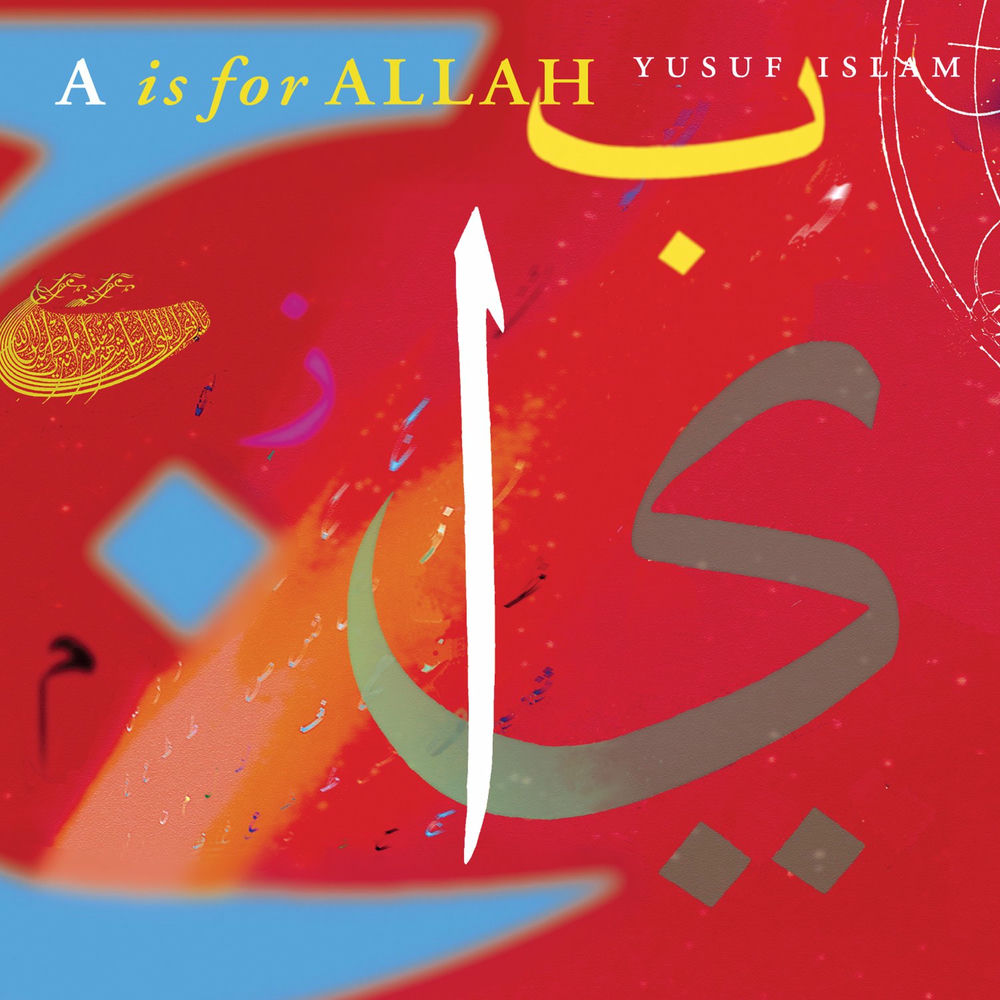
After a near-total absence of nearly three decades from pop music, Yusuf Islam cautiously returned to recording in the 2000s with a series of spiritually oriented albums. His official mainstream comeback, *An Other Cup* (2006), marked his first pop album under the name Yusuf. This was followed by further albums like *Roadsinger* (2009) and *Tell 'Em I'm Gone* (2014), which saw him re-interpreting blues and folk roots. In 2017, he was inducted into the Rock and Roll Hall of Fame, and in 2023, he released the album *King of a Land*, demonstrating his continued songwriting vitality.
Artists with a similar introspective, narrative-driven style within the British folk and rock tradition include Nick Drake, whose poetic and melancholic folk shares a timeless, intimate quality. Donovan also pioneered a blend of folk-pop and mystical lyricism during the same era. The melodic soft rock and personal songwriting of Al Stewart offers another point of comparison for fans of this genre.