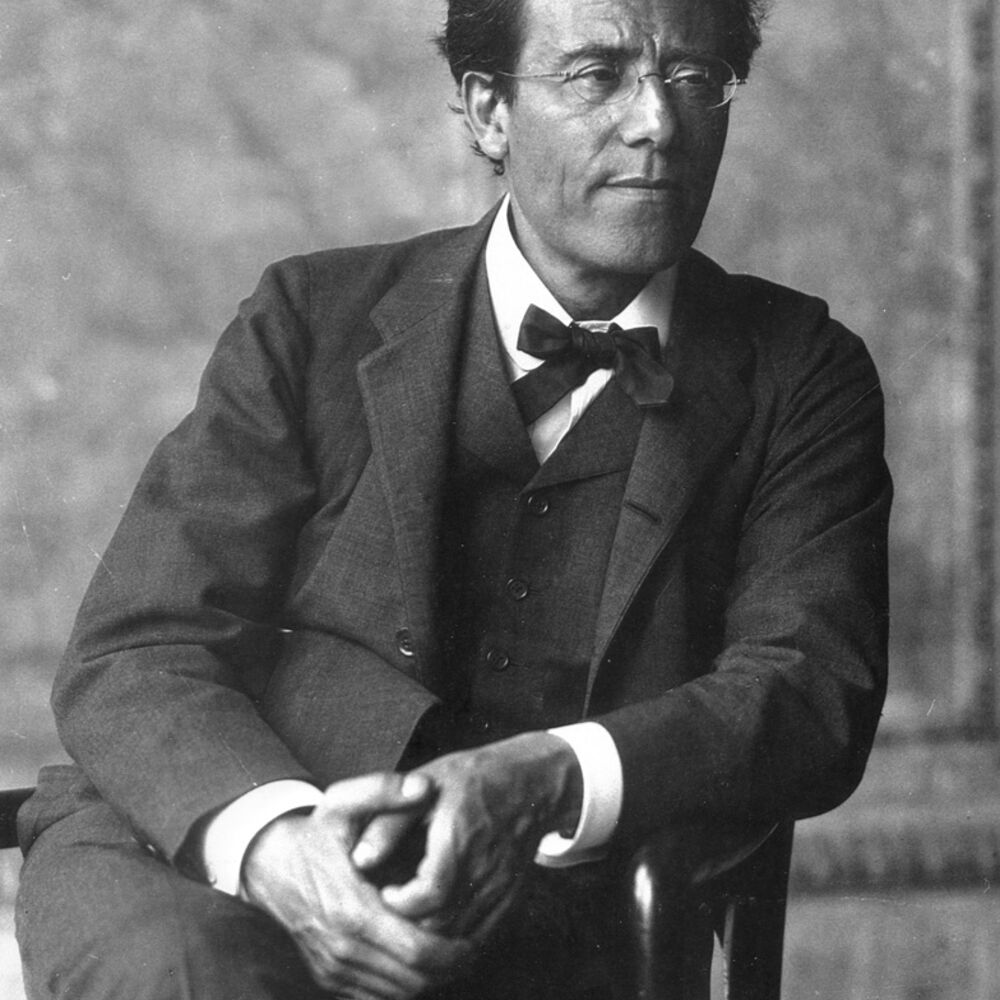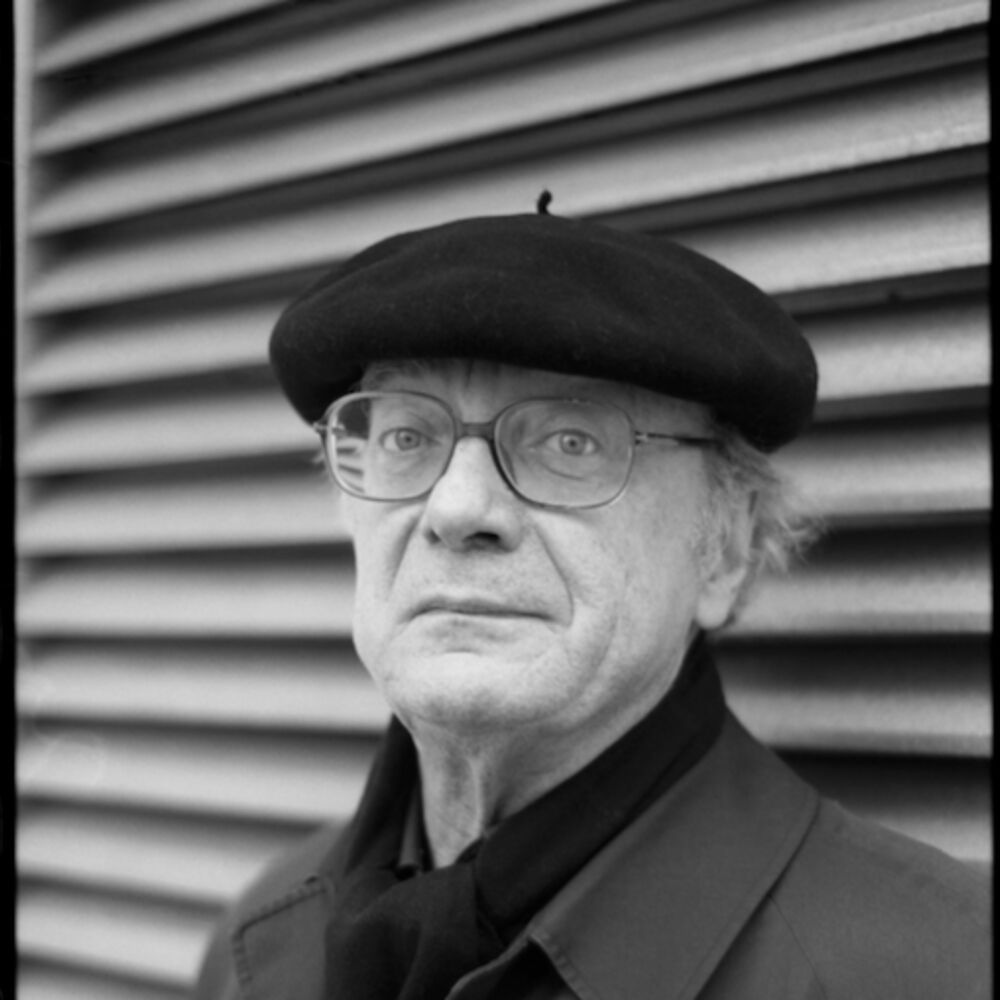

Alfred Brendel: The Intellectual Titan of Classical Piano
Alfred Brendel is an Austrian pianist, poet, and author whose profound interpretations of the Germanic classical canon defined an era of recorded music. Hailing from Wiesenberg, his career is built not on flashy spectacle but on a deep, analytical approach to music, resulting in a monumental discography primarily for the Philips and Vox record labels that has achieved multi-platinum status worldwide.
Early career
Born in 1931, Brendel's early musical education was unconventional, shaped more by composition lessons and self-study than by a single piano pedagogue. His professional debut came in 1948 in Graz, but his true launch was through the recording studio. In the 1950s, he began a pivotal relationship with the Vox label, producing a landmark complete cycle of Beethoven's piano sonatas that first established his scholarly reputation.
Breakthrough
Brendel's international stature solidified in the 1970s after signing an exclusive contract with Philips Records. His meticulously planned recording projects, especially his second complete Beethoven sonata cycle begun in 1970, became benchmark editions. These albums, alongside his definitive surveys of Schubert, Mozart, and Liszt, consistently topped classical charts and earned numerous gold and platinum certifications for their enduring sales.
Key tracks
Beethoven: Piano Sonata No. 29 "Hammerklavier" — This monumental recording showcases Brendel's unparalleled ability to architecturally structure Beethoven's most demanding piano work.
Schubert: Piano Sonata in B-flat major, D. 960 — His interpretation is celebrated for its profound lyrical depth and mastery of Schubert's unique narrative voice.
Mozart: Piano Concerto No. 9 "Jeunehomme" — This collaboration with Sir Neville Marriner highlights Brendel's crystalline touch and witty dialogue with the orchestra.
Liszt: Années de pèlerinage — Brendel's recordings revived serious critical interest in Liszt's major piano works, emphasizing their poetic substance over mere virtuosity.
Throughout the 1980s and 90s, Alfred Brendel refined his art in concert halls worldwide, his recitals noted for their intellectual rigor and absence of superficial showmanship. He collaborated with distinguished conductors like Bernard Haitink, James Levine, and Simon Rattle, and his final solo recital tour in 2008 was a major event in the classical world. Beyond performance, his influential writings on music further cemented his role as a thinker of the piano.
Listeners who appreciate the cerebral clarity of Alfred Brendel often seek out other masters of the Austro-German repertoire. Wilhelm Backhaus offers a direct, powerful approach to Beethoven from an earlier generation. Artur Schnabel provides the pioneering, intellectually charged Beethoven sonata recordings that influenced Brendel's path. Mitsuko Uchida brings a similarly thoughtful and poetic sensibility to Mozart and Schubert. András Schiff continues the tradition of pianist-scholars with detailed historical insight in his performances.
Brendel's recordings remain a staple on classical music radio stations, from dedicated public radio FM broadcasts to specialized online classical streams. His interpretations are frequently featured in daytime rotation for their accessibility and in evening programs exploring deeper repertoire, ensuring his work reaches both new listeners and aficionados.
The music of Alfred Brendel, a cornerstone of the classical piano genre, continues to resonate on air. You can discover his vast recorded legacy and hear his iconic performances on the curated classical radio stations available on onairium.com.