Alfredo Kraus: The Spanish Tenor of Elegance and Precision
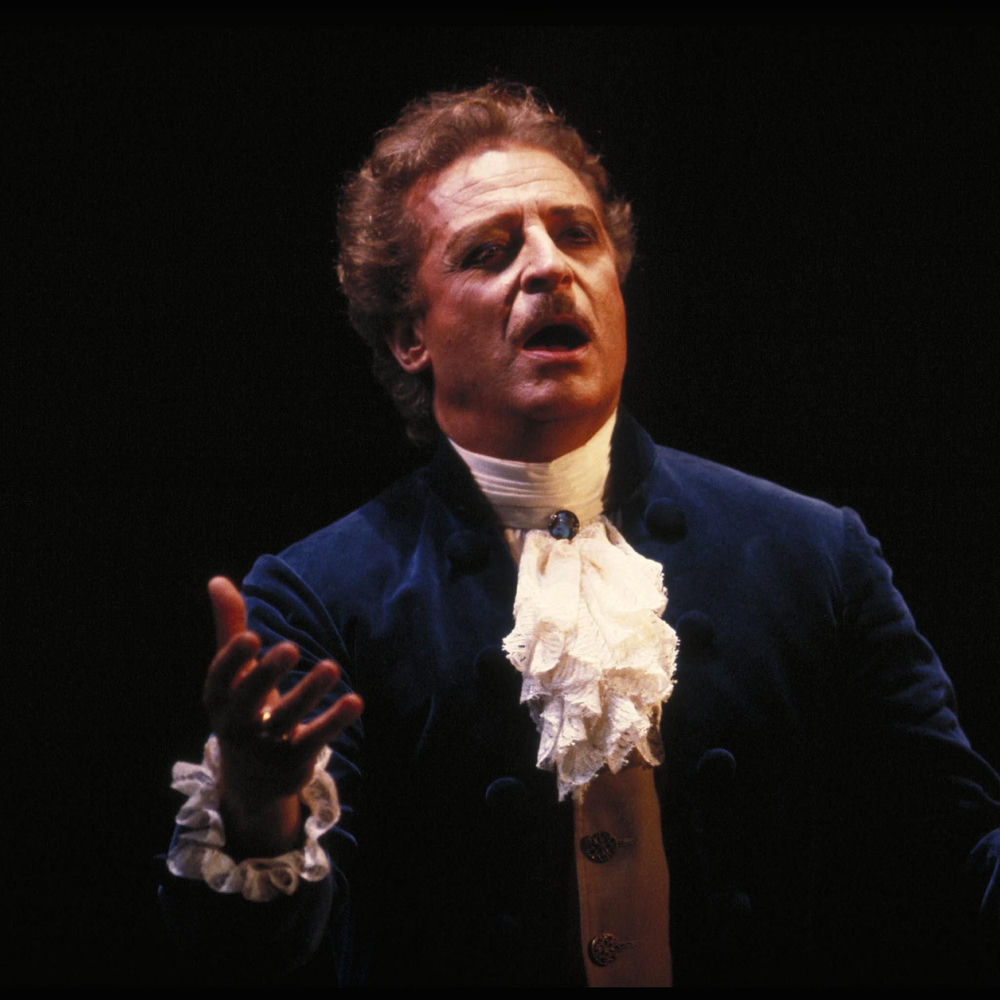
Alfredo Kraus was a Spanish operatic tenor celebrated for his mastery of the bel canto repertoire and his exceptionally long and disciplined career. Hailing from the Canary Islands, his major achievement was maintaining a pristine vocal technique for over four decades, earning him legendary status in the world of opera without the reliance on sheer vocal power.
Early career
Alfredo Kraus Trujillo was born in Las Palmas de Gran Canaria in 1927. He began his formal vocal studies in Spain before moving to Milan for further training, setting the foundation for his impeccable technique. His professional stage debut came in 1956 in Cairo as the Duke in Rigoletto, a role that would become one of his signatures.
Breakthrough
Kraus's international breakthrough arrived swiftly in 1959 when he performed at London's Royal Opera House, Covent Garden, opposite Maria Callas in Lucia di Lammermoor. This high-profile engagement, followed by his 1960 debut at Teatro alla Scala in Milan, cemented his reputation as a tenor of rare refinement and secured his place on the world's most prestigious stages.
Key tracks
Pourquoi me réveiller — From Massenet's Werther, this aria became a definitive showcase for his poignant lyricism and controlled emotional delivery.
Una furtiva lagrima — His interpretation of this Donizetti aria from L'elisir d'amore was noted for its stylistic purity and elegant phrasing.
Ah! mes amis — The famed nine high Cs from Donizetti's La Fille du Régiment, which Kraus performed with reliable precision throughout his career.
Ecco ridente in cielo — The cavatina from Rossini's Il Barbiere di Siviglia, highlighting his agility in the bel canto tenor repertoire.
Throughout the 1960s and 70s, Alfredo Kraus built an extensive discography with labels like EMI, Deutsche Grammophon, and RCA Victor, recording definitive versions of operas such as La Traviata, Rigoletto, and Werther. He was selective with his roles, focusing on parts that suited his lyric tenor perfectly, which contributed to his vocal longevity. Kraus also became a revered teacher, passing on his technical knowledge to subsequent generations of singers at institutions like the Madrid Royal Conservatory.
Fans of the refined vocal artistry of Alfredo Kraus often appreciate other masters of the Spanish operatic tradition. Plácido Domingo shares the Iberian heritage and achieved global fame as part of The Three Tenors. Montserrat Caballé was another Spanish vocal legend known for bel canto excellence and collaborated with Kraus. Teresa Berganza, the celebrated Spanish mezzo-soprano, frequently performed in similar repertoire with a focus on technical perfection. José Carreras completes the trio of famed Spanish tenors, known for his passionate and lyrical interpretations.
Alfredo Kraus's recordings remain a staple on classical music radio stations and dedicated opera streams featured on this website. His performances are regularly featured in programming blocks focusing on bel canto, romantic opera, and historical vocal recordings, introducing new listeners to his timeless technique.
The music of Alfredo Kraus continues to be broadcast on the curated classical and opera radio stations available on onairium.com. Listeners can discover the elegant artistry of this Spanish tenor by tuning into these dedicated stations for a masterclass in vocal longevity and style.