




Art Tatum: The Virtuoso Genius of Jazz Piano
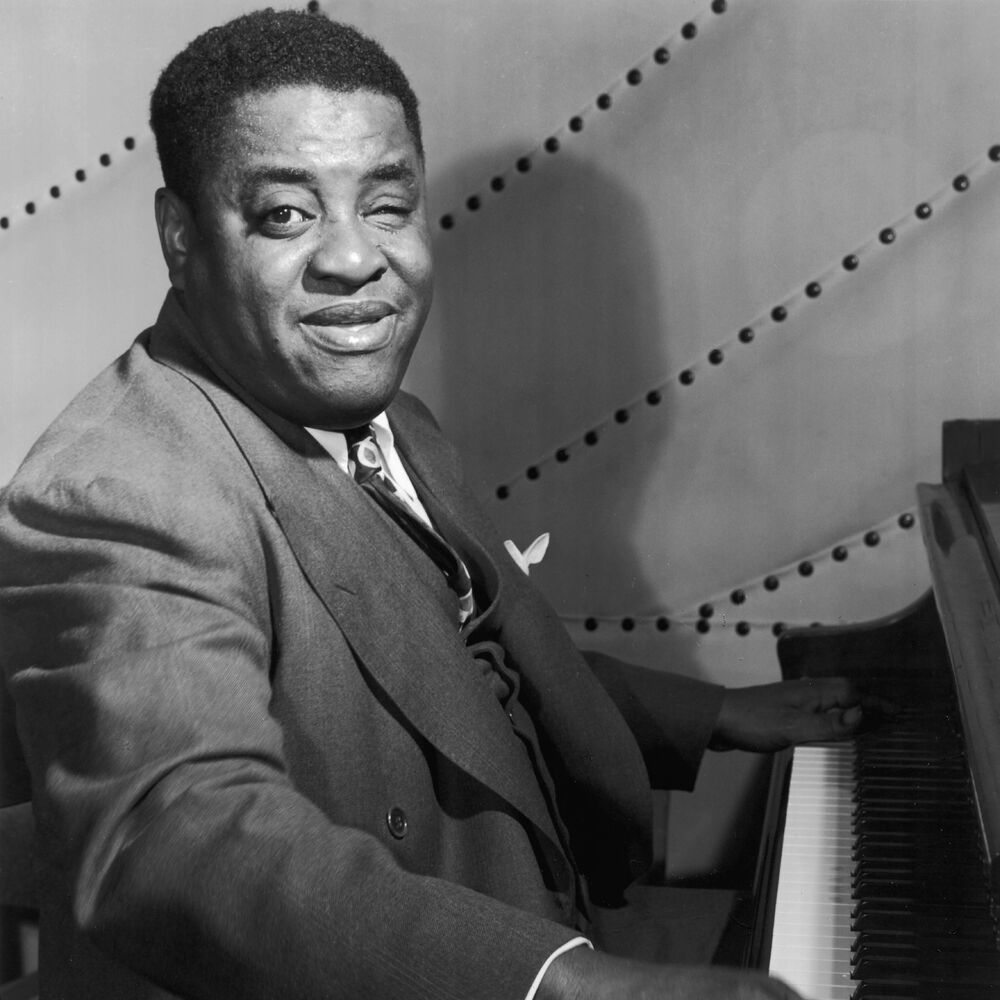
Art Tatum was an American jazz pianist celebrated for his breathtaking technical skill and harmonic ingenuity. Hailing from Toledo, Ohio, his prolific recording career, which produced hundreds of tracks for labels like Decca and Capitol, cemented his legacy as one of the most formidable instrumentalists in music history.
Early career
Born in 1909 in Toledo, Ohio, Tatum was largely self-taught and developed his phenomenal technique despite being nearly blind from birth. His professional start came playing local club dates, leading to his first radio appearances on Toledo's WSPD and, by 1932, his first recordings for the Brunswick label in New York.
Breakthrough
Tatum's national reputation was solidified in the mid-1930s following a series of groundbreaking solo piano recordings. His 1933 recording of Tiger Rag for the Brunswick label became a sensation among musicians for its dazzling speed and complexity, effectively announcing a new pinnacle for jazz piano artistry.
Key tracks
Tiger Rag — This 1933 recording stunned the music world with its breakneck tempo and inventive runs, becoming a definitive display of Tatum's technical mastery.
Tea for Two — His 1939 Decca recording is a masterclass in reharmonization, transforming a simple standard into a rich, intricate tapestry of chords and rhythms.
Yesterdays — This 1949 performance for Capitol Records showcases Tatum's profound ballad playing, blending tender melody with sophisticated harmonic movement.
Willow Weep for Me — A later solo recording that highlights his deep sense of swing and blues feeling, proving his artistry extended far beyond sheer velocity.
Over the Rainbow — Tatum's interpretation of the Harold Arlen classic is a brilliant example of his ability to completely reinvent a well-known melody with stunning improvisational flourishes.
Throughout the 1940s and 1950s, Tatum recorded extensively, most notably for Capitol Records where he produced acclaimed albums like 1953's "The Genius of Art Tatum" and 1955's "The Art Tatum-Ben Webster Quartet." His famous solo and group sessions for Norman Granz's Clef and Verve labels in the 1950s, including the monumental "The Art Tatum Solo Masterpieces" series, are considered essential jazz documents.
Art Tatum's style, rooted in stride piano but explosively modern, directly influenced generations of pianists across jazz and classical music. While he did not chase commercial chart positions, his recordings achieved enduring critical acclaim and are perennial sellers in jazz catalogs. He collaborated sparingly but memorably, as on the 1956 album "The Tatum Group Masterpieces" with saxophonist Ben Webster and guitarist Barney Kessel.
For listeners who appreciate the technical brilliance and harmonic depth of Art Tatum, explore similar artists featured on our site. Oscar Peterson carried Tatum's torch of virtuosic swing into the modern era. Thelonious Monk offered a radically different, dissonant counterpoint to Tatum's lush harmonies. Bud Powell translated Tatum's piano language to the bebop idiom with ferocious speed. Erroll Garner shared Tatum's joyful, orchestral approach to the keyboard and popular appeal.The music of Art Tatum maintains a permanent place in the rotation of dedicated jazz radio stations and online streams, from channels specializing in classic piano jazz to those exploring the full breadth of American music history.
You can experience the extraordinary artistry of Art Tatum by tuning into the jazz radio stations featured on onairium.com, where his timeless recordings continue to inspire new listeners and musicians alike.