

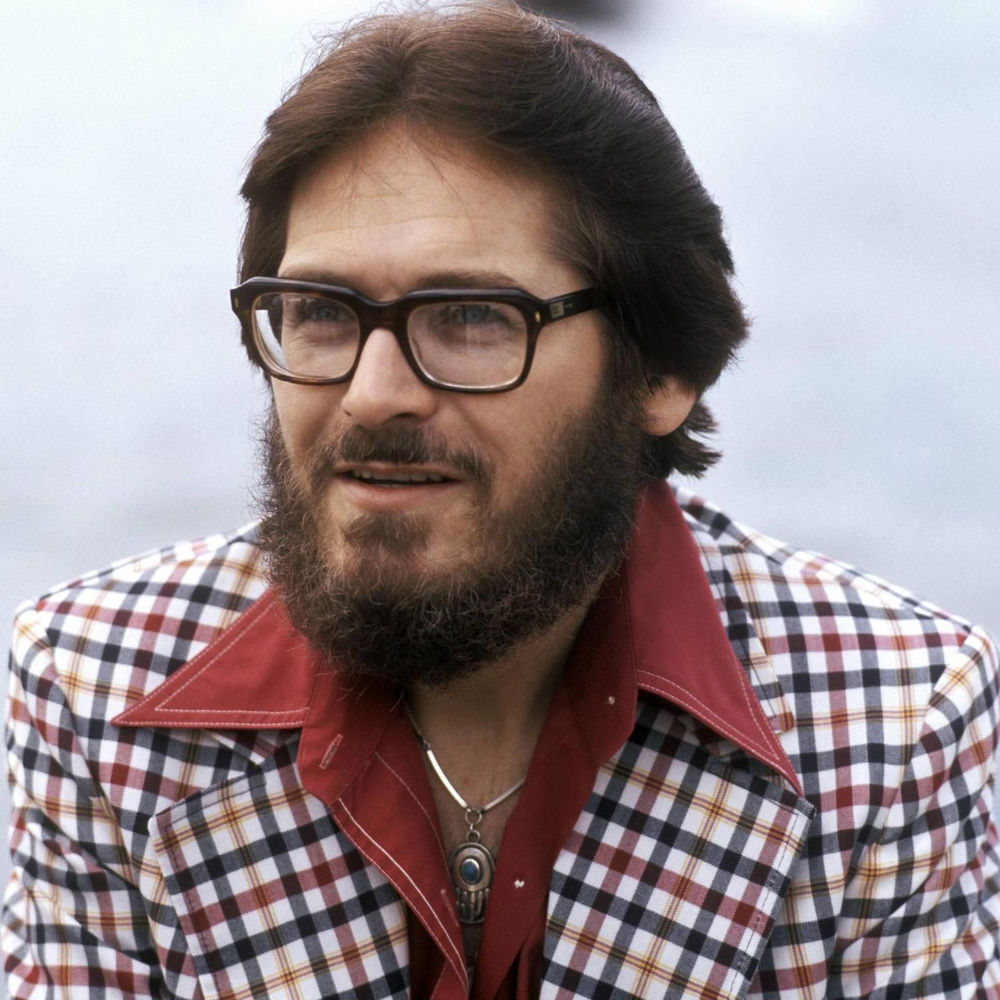
Bill Evans
Listen Bill Evans on radio stations:






Bill Evans: The Poetic Voice of Jazz Piano
Bill Evans was an American jazz pianist and composer whose introspective and harmonically sophisticated style reshaped the landscape of modern jazz. His work, particularly with his own trio, set a new standard for group interplay and lyrical expression in the genre.
Early Career
Born in 1929 in Plainfield, New Jersey, Bill Evans studied classical piano before turning to jazz. After moving to New York in the 1950s, he began building a reputation, recording his debut album, New Jazz Conceptions, for Riverside Records in 1956.
Breakthrough
Evans's career-defining moment came in 1959 when he joined Miles Davis's sextet, contributing profoundly to the landmark album Kind of Blue. His harmonic ideas were central to the modal jazz masterpiece. That same year, he formed his first trio and released the highly influential album Portrait in Jazz, establishing his signature conversational trio format.
Key Tracks
Waltz for Debby - This original composition, named for his niece, became one of his most beloved and enduring works, perfectly encapsulating his lyrical and melodic grace.
Blue in Green - Co-credited to Miles Davis, this hauntingly beautiful track from Kind of Blue showcases Evans's foundational role in crafting its modal atmosphere.
My Foolish Heart - The live version from the 1961 album Waltz for Debby is a masterclass in trio sensitivity and emotional depth, recorded at the Village Vanguard.
Peace Piece - An improvised solo piano meditation from 1958's Everybody Digs Bill Evans, it highlights his innovative approach to harmony and space.
Evans continued to evolve his trio's sound throughout the 1960s and 70s, notably with bassist Eddie Gómez. His later work incorporated electric keyboards and more expansive compositions, yet he always returned to the acoustic piano trio, his most celebrated format. His extensive discography for labels like Riverside, Verve, and Warner Bros. remains a vital part of the jazz canon.
Listeners who appreciate the introspective and harmonically rich style of Bill Evans might also explore the work of Keith Jarrett, known for his profound solo improvisations. Chick Corea also expanded on Evans's lyrical and technical innovations in his own diverse career. The subtle interplay of Jim Hall, a frequent Evans collaborator, offers a parallel in guitar-based jazz. For another pianist with a deeply melodic approach, consider Oscar Peterson, though his style is often more virtuosic and swinging.
Bill Evans's recordings are a cornerstone of jazz programming, featured on stations dedicated to classic jazz, modern jazz, and acoustic instrumental music. His influence ensures his music maintains a permanent place in the rotation, introducing new generations to his unique sound.
The music of Bill Evans can be heard on jazz radio stations featured on our website, where listeners can discover the depth of his catalog through curated broadcasts.
