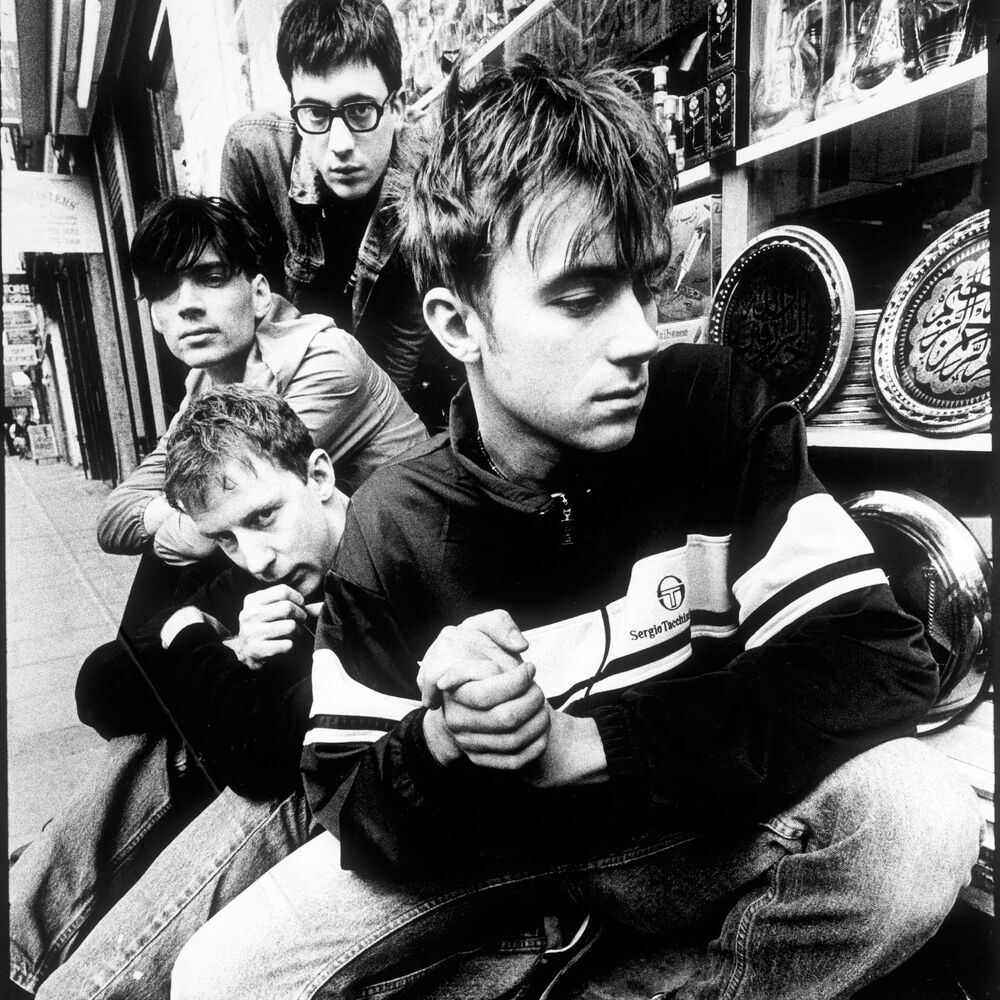
Blur
 United Kingdom
Listen Blur on radio stations:




Blur: Pioneers of Britpop and British Rock
Blur is a seminal English rock band that emerged from London in the late 1980s to become one of the defining acts of the 1990s Britpop movement. The quartet, comprised of Damon Albarn, Graham Coxon, Alex James, and Dave Rowntree, achieved massive commercial success with a string of UK number-one albums and classic singles that captured the spirit of a generation.
Early career
Blur formed in London in 1988 under the name Seymour, meeting at Goldsmiths College. After signing to Food Records in 1990, they released their debut album, Leisure, in 1991, which entered the UK Albums Chart at number seven and was propelled by the indie-dance single "There's No Other Way". This initial success was followed by a difficult period, as the band faced a commercial downturn in the UK during a promotional tour of the United States.
Breakthrough
The band's fortunes dramatically reversed with their 1993 album Modern Life Is Rubbish, a deliberate pivot towards a more distinctly English guitar sound. Their true commercial breakthrough arrived in 1994 with the album Parklife, a cultural phenomenon that topped the UK chart for four weeks, was certified 4x Platinum, and won the band four BRIT Awards, including Best British Album.
Key tracks
Girls & Boys — This synth-driven lead single from Parklife became an international hit, reaching number five in the UK and establishing their new, sharp pop sound.
Parklife — Featuring actor Phil Daniels' spoken-word vocals, this anthem became a cultural touchstone and a UK number-one airplay hit, defining the band's observational style.
Song 2 — A global rock smash from their 1997 self-titled album, known for its explosive "woo-hoo" chorus and a radical departure from their Britpop roots.
Country House — Famously outsold Oasis's "Roll With It" in the 1995 "Battle of Britpop," securing Blur their first UK singles chart number one.
Beetlebum — The moody, guitar-heavy lead single from their 1997 album Blur, which debuted at number one on the UK Singles Chart.
The intense media-fueled rivalry with fellow Britpop giants Oasis peaked in 1995, but Blur continued to evolve artistically. Their 1997 self-titled album, Blur, embraced American indie and lo-fi influences, while 1999's 13 explored experimental and personal themes, both albums topping the UK chart. After a hiatus in the early 2000s, the band reunited for 2003's Think Tank, another UK number one, albeit without guitarist Coxon for most sessions. The band entered another lengthy hiatus before fully reuniting for celebrated live shows and 2015's chart-topping album The Magic Whip.
Fans of Blur's clever lyricism and guitar-driven British rock often appreciate the work of similar UK artists. Oasis was their chief Britpop rival, sharing a massive cultural impact and a focus on anthemic songcraft. Pulp offers another quintessential Britpop perspective with witty social narratives and glamorous art-rock. The Libertines channeled a later, grittier iteration of British guitar pop influenced by Blur's earlier work. Gorillaz, Damon Albarn's virtual band project, continues his genre-blending experimentation on a global scale.
Blur's extensive catalog remains a staple on radio stations worldwide. Their classic 90s hits are regularly featured on classic rock FM stations and dedicated alternative rock radio stations, while their later, more experimental work finds a home on independent music radio stations and curated online rock radio streams.
Listeners can explore the complete evolution of this essential British rock band, from their Britpop anthems to their adventurous