Blutengel
 Germany
Listen Blutengel on radio stations:




Blutengel: Pioneers of German Darkwave and Futurepop
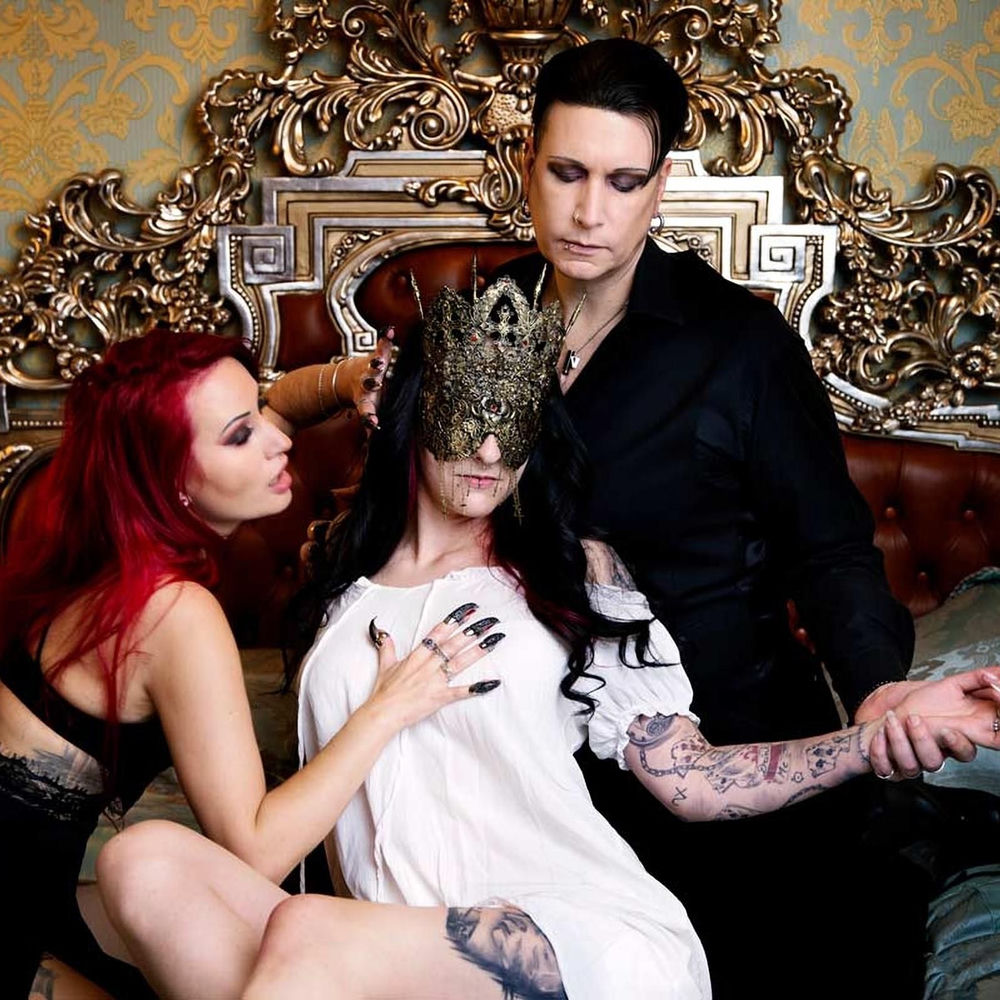
Blutengel is a foundational German electronic music project that masterfully blends darkwave, futurepop, and gothic rock into a potent and theatrical sound. Formed in Berlin in 1998 by Chris Pohl, the group has become one of the most successful acts in the European dark scene, known for its melancholic melodies, danceable beats, and vampiric aesthetic.
Early career
Chris Pohl launched Blutengel in 1998 following the dissolution of his previous project, Seelenkrank. The new venture was immediately signed to the influential German label Out of Line, a key home for the country's electronic underground. Their debut album, Child of Glass, arrived in 1999, establishing their signature formula of romantic, German-language lyrics set against a backdrop of synth-pop and EBM.
Breakthrough
The project's commercial breakthrough came with their third studio album, Angel Dust, released in 2002. This record refined their sound with more polished production and infectious hooks, leading to significantly increased sales and a solidified fanbase across Europe. Subsequent albums like Demon Kiss (2005) and Labyrinth (2007) consistently charted on German media control charts, proving their enduring market presence.
Key tracks
Black Roses — This powerful track from the album Seelenschmerz is a fan-favorite anthem and a staple of their intense live performances.
Kinder dieser Stadt — A prime example of their earlier, raw sound that became a classic within the German darkwave genre.
Über den Horizont — A later hit showcasing their evolved, more futurepop-oriented style with expansive, cinematic production.
Sing — This song highlights their ability to craft deeply melodic and emotionally resonant synth-pop ballads.
Reich mir die Hand — A duet featuring female vocals, illustrating the dynamic vocal interplay central to their music.
Throughout the 2010s and 2020s, Blutengel has maintained a prolific output, releasing albums like Omen (2021) and Un:Gott (2023) to a dedicated audience. Chris Pohl has also collaborated with numerous scene artists and runs his own studio and label complex, ensuring complete creative control over the Blutengel project's distinct vision.
Fans of Blutengel's dramatic synth-driven sound often explore similar artists. Discover the melodic futurepop of And One, another influential German act blending catchy electronics with dark themes. The aggrotech power of Combichrist shares a similar intensity and dancefloor energy. For more romantic darkwave, try Deine Lakaien, pioneers of the German genre. The theatrical approach of Lord Of The Lost also resonates, merging gothic metal with electronic elements.
The music of Blutengel is a regular feature on dedicated alternative and gothic radio stations, particularly those specializing in darkwave, futurepop, and electronic rock genres. Online radio streams focused on the European dark scene frequently include their iconic hits and newer singles in their rotation, catering to a global audience of fans.
Listeners can discover the expansive catalog of Blutengel and experience their captivating gothic soundscape through the specialized radio stations available on onairium.com, where their music remains a pivotal part of the dark electronic music landscape.