Bonga: The Voice of Angolan Semba and Afro-Jazz
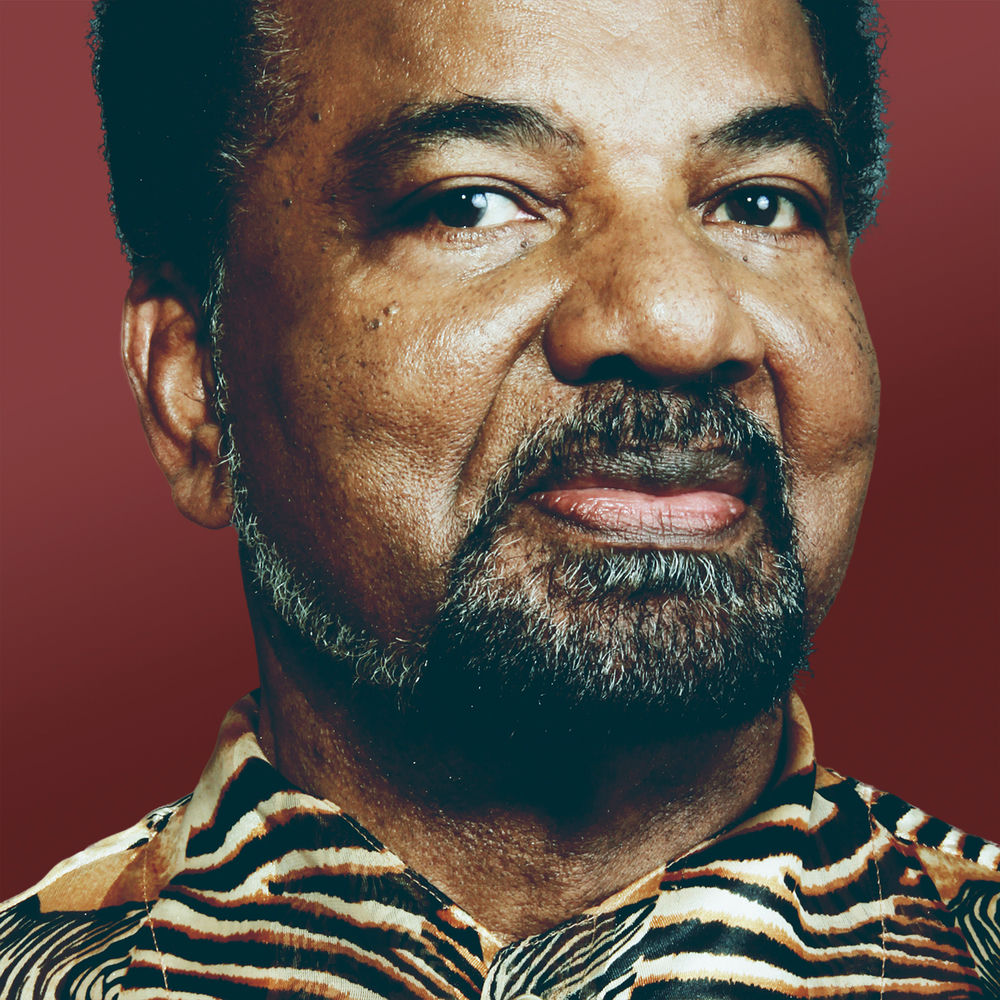
José Adelino Barceló de Carvalho, known globally as Bonga, is an Angolan singer-songwriter and cultural icon. His music, a potent blend of semba, folk, and afro-jazz, has defined the sound of resistance and hope for generations, making him one of Lusophone Africa's most enduring and influential artists.
Early career
Born in 1942 in the province of Bengo, Angola, Bonga's early life was steeped in the rhythms of traditional semba music. He initially gained fame as a track and field athlete, representing Portugal as a colonial subject, but his passion for music and growing political consciousness soon took precedence. After leaving his athletic career, he began performing, adopting the Kimbundu name Bonga Kuenda, which means "one who sees and walks."
Breakthrough
Bonga's artistic breakthrough was inextricably linked with Angola's struggle for independence. His 1972 debut album, Angola 72, recorded in exile in the Netherlands, was a direct and powerful musical indictment of Portuguese colonial rule. Featuring the seminal track Mona Ki Ngi Xica, the album's raw semba rhythms and poignant lyrics were immediately banned by the colonial authorities, cementing Bonga's status as a voice of the liberation movement and launching his international career.
Key tracks
Mona Ki Ngi Xica - This heartbreaking lament from his debut album became an anthem of longing and displacement for a generation in exile.
Angola - A powerful, declarative title track that served as a musical manifesto for a nation fighting for its sovereignty.
Sodade - While Cesária Évora popularized the song, Bonga's own renditions capture the profound sense of longing and nostalgia central to the *morna* and coladeira genres.
Mariquinha - A classic semba number showcasing Bonga's ability to blend infectious dance rhythms with sophisticated, storytelling lyrics.
Throughout the decades following independence, Bonga continued to be a prolific artist, releasing dozens of albums that explored the roots of Angolan music while engaging with contemporary social issues. His work consistently features the melancholic yet rhythmic sounds of semba, coladeira, and kizomba, often accompanied by his signature instrument, the *dikanza* (a scraped percussion instrument). He has collaborated with numerous luminaries across the Lusophone world, including Cesária Évora, and remains a towering figure in African music.
Fans of Bonga's rich, soulful blend of African roots music and social commentary should also explore the work of Orlando Pantera, a Cape Verdean singer known for his modern take on traditional forms. The acoustic mastery and poetic lyrics of Mário Lúcio, also from Cape Verde, share a similar depth. For the foundational sounds of Angolan semba that influenced Bonga, listen to Ngola Ritmos, one of the pioneering groups of the genre.
Bonga's timeless music, a cornerstone of Lusophone African culture, continues to resonate on airwaves dedicated to world music and African rhythms. His profound catalog is a testament to the power of song as a vessel for history, struggle, and joy.
Listeners can discover the enduring music of Bonga through the radio stations featured on onairium.com, where his iconic voice and rhythms are regularly broadcast.