

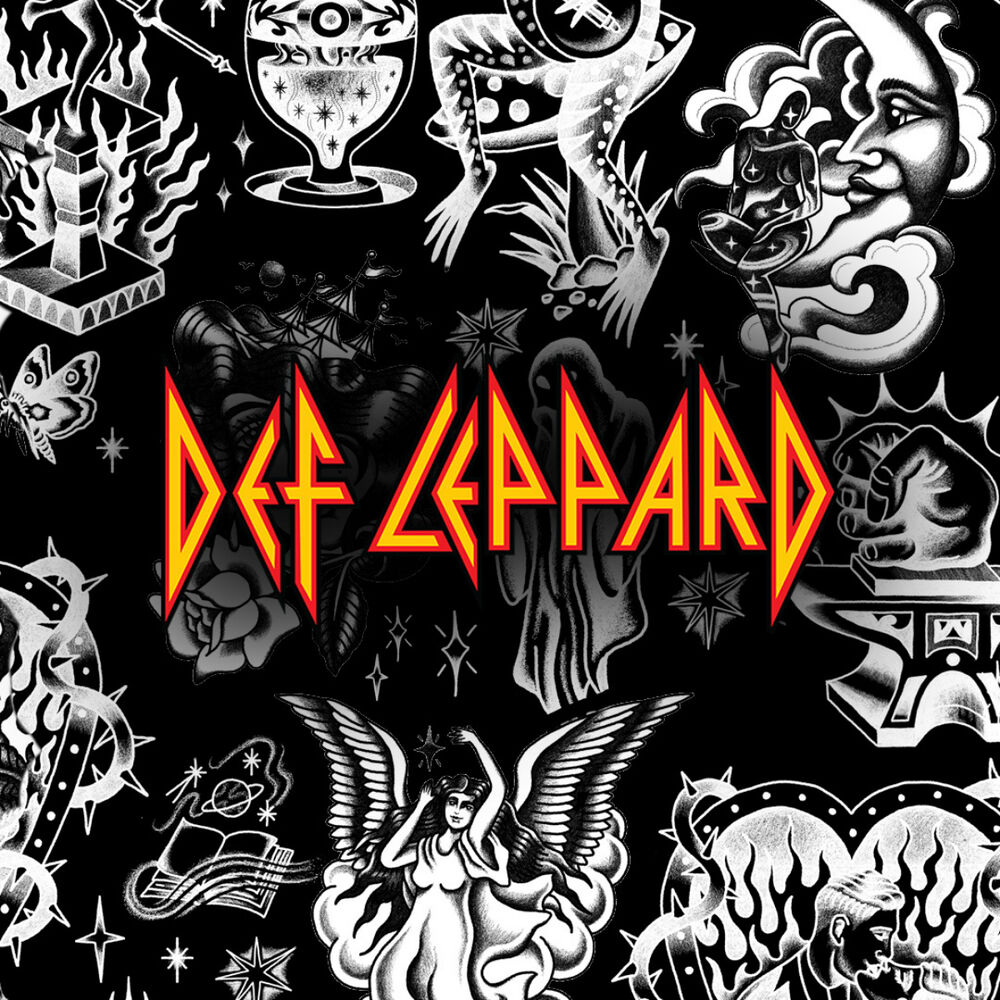
Def Leppard
Listen Def Leppard on radio stations:







Def Leppard: The British Titans of Arena Rock
Def Leppard is a British rock band from Sheffield, England, that became one of the best-selling musical acts of the 1980s. Their blend of hard rock melodies and polished production, often dubbed "arena rock" or "pop metal," led to multi-platinum albums that dominated charts worldwide.
Early Career
Formed in 1977 by teenagers Rick Savage, Tony Kenning, and Pete Willis, the band was soon joined by vocalist Joe Elliott and guitarist Steve Clark. Their self-financed EP, "The Def Leppard E.P." in 1979, caught the attention of BBC Radio DJ John Peel and led to a record deal with Phonogram/Vertigo. Their debut album, "On Through the Night" (1980), showcased a raw, New Wave of British Heavy Metal-influenced sound and achieved moderate success, particularly in the United States.
Breakthrough
The band's breakthrough arrived with their third studio album, 1983's "Pyromania." Produced by Robert John "Mutt" Lange, the album's slick, radio-friendly sound on tracks like "Photograph" and "Rock of Ages" was a massive commercial success. "Pyromania" sold over ten million copies in the US alone, catapulting Def Leppard to global superstar status and defining the sound of 1980s rock.
Key Tracks
Photograph - The lead single from "Pyromania" became their first major US hit, cementing their signature sound and establishing them as MTV favorites.
Pour Some Sugar on Me - The anthem from 1987's "Hysteria" became a cultural touchstone and remains one of the band's most recognizable songs.
Love Bites - This power ballad from "Hysteria" became Def Leppard's first and only number-one single on the US Billboard Hot 100 chart.
Animal - The first single from "Hysteria," it gave the band their first top-ten hit in their native UK and showcased their perfected melodic rock formula.
Rock of Ages - A staple of their live sets, this "Pyromania" track with its iconic call-and-response intro epitomizes their larger-than-life arena rock style.
Following the monumental success of "Pyromania," the band faced significant adversity, including drummer Rick Allen's car accident in 1984 which resulted in the loss of his left arm. Allen's determination to continue using a custom electronic drum kit became an inspirational story. Their fourth album, "Hysteria" (1987), finally released after a difficult production, surpassed even "Pyromania," spawning seven hit singles and selling over 25 million copies globally, solidifying their place among rock's elite.
The 1990s saw a shift in the musical landscape with the rise of grunge, but Def Leppard adapted. Their 1992 album "Adrenalize" debuted at number one on both the US and UK album charts. While later albums like "Slang" (1996) experimented with a more contemporary sound, the band returned to their classic style with records like "Euphoria" (1999). They have continued to record and tour consistently, being inducted into the Rock and Roll Hall of Fame in 2019, a testament to their enduring influence and massive catalog of hits.
Fans of Def Leppard's anthemic, melodic hard rock often appreciate the work of similar British bands. Iron Maiden shares the same NWOBHM roots but evolved into a more complex, progressive metal direction. Whitesnake offers a similar blend of blues-based hard rock and power ballads, led by the formidable David Coverdale. The glam metal style of Mötley Crüe, though American, captured the same era of decadent, chart-topping rock. For the polished, multi-layered guitar harmonies, the work of Journey provides a comparable American AOR counterpart.
